


Introduction
In our rapidly advancing technological world, the need for responsible IT equipment recycling and disposal has never been more critical. With millions of tons of electronic waste (e-waste) generated each year, understanding how to navigate the recycling landscape is paramount for both individuals and organizations. This comprehensive guide will delve into the importance of IT equipment recycling, effective disposal methods, and the impact of greener technologies on our environment.
IT Equipment Recycling and Disposal
What Is IT Equipment Recycling?
IT equipment recycling refers to the process of recovering valuable materials from old or obsolete technology devices. This encompasses everything from computers and servers to smartphones and printers. By recycling these items, we can reduce landfill waste, conserve natural resources, and minimize environmental pollution.
Why Is IT Equipment Recycling Important?
The importance of IT equipment recycling cannot be overstated. Here are some key reasons:
Understanding E-Waste
What Constitutes E-Waste?
E-waste is any discarded electrical or electronic device. Examples include:
Computers Monitors Mobile phones Televisions Printers Kitchen appliances The Growing E-Waste Problem
The global e-waste problem is escalating at an alarming rate. According to the Global E-Waste Monitor 2020 report, approximately 53.6 million metric tons of e-waste were generated in 2019 alone—a figure projected to rise by 21% by 2030.
The Lifecycle of IT Equipment
From Production to Disposal
Understanding the lifecycle of your IT equipment is crucial for effective recycling:
How Long Does IT Equipment Last?
The lifespan of various devices can vary significantly:
| Device Type | Average Lifespan | |-------------------|------------------| | Desktop Computer | 5-7 years | | Laptop | 3-5 years | | Smartphone | 2-3 years | | Printer | 5 years |
Responsible Disposal Methods
Donation
Donating functional devices is a fantastic way to give back while ensuring responsible disposal.
Where Can You Donate?
Consider donating your electronics to local schools, non-profit organizations, or community centers that accept used technology.
Recycle Through Certified Programs
When donation isn’t feasible, look for certified e-waste recyclers who follow environmentally sound practices.
How Do You Find Certified Recyclers?
Search for recyclers with certifications from recognized organizations like R2 (Responsible Recycling) or e-Stewards.
Impact on the Environment
Landfill Issues
Improperly disposed e-waste contributes significantly to landfill problems worldwide, leading to toxic leaching into the environment.
Resource Depletion
Failure to recycle leads to increased mining activities which deplete natural resources essential for future generations.
Best Practices for IT Equipment Recycling
Inventory Management
Create an inventory list that includes all IT assets within it equipment recycling and disposal your organization. This helps track what needs recycling when it’s time for disposal.
Data Destruction Techniques
Before disposing of any device containing personal or sensitive information, ensure data is securely wiped using methods such as:
Corporate Responsibility in IT Disposal
Developing an E-Waste Policy
Organizations should craft clear policies outlining their commitment to responsible IT equipment recycling and disposal practices.
What Should Be Included in Your Policy?
Your policy should cover:
Guidelines for responsible disposal Procedures for data destruction Roles and responsibilities
Government Regulations on E-Waste
Understanding Local Laws
Familiarize yourself with local regulations governing e-waste management—failure to comply can lead to hefty fines.
Key Legislation Examples
Innovations in Greener Technology
Eco-Friendly Materials
Emerging technologies are focusing on creating devices with sustainable materials that are easier to recycle.
Which Materials Are Considered Eco-Friendly?
Consumer Awareness Campaigns
How Can You Educate Others?
Raising awareness about the importance of IT equipment recycling can inspire collective action towards a greener future.
Effective Campaign Strategies Include:
Challenges in E-Waste Management
Identifying Barriers
Several challenges persist in promoting effective e-waste management including:
Future Trends in IT Equipment Recycling
Circular Economy Approach
The shift toward a circular economy emphasizes extending product lifecycles through reuse and refurbishment rather than traditional linear consumption models.
Benefits of a Circular Economy Include:
FAQs About IT Equipment Recycling and Disposal
What items can I recycle through my local program?
Most programs accept computers, monitors, printers, smartphones, tablets, and televisions among other electronics.
How do I know if my recycler is certified?
Look for certifications such as R2 or e-Stewards displayed prominently on their website or promotional material before choosing a recycler.
Can I recycle my old batteries?
Yes! Many local programs also accept rechargeable batteries along with other electronic waste; check specific guidelines beforehand for proper handling instructions.
What happens if I don’t recycle my old electronics?
Failing to recycle contributes further pollution issues while also missing out on recovering valuable materials needed for manufacturing new products—leading ultimately towards resource depletion over time!
Is there a cost associated with recycling my electronics?
While many programs offer free collection services; some may charge fees depending on your location or type/quantity being recycled so always confirm ahead!
Are there tax benefits associated with donating used electronics?
In certain cases yes! Donors may qualify for tax deductions based upon fair market value—but it's always best practice consult a tax professional regarding specifics before proceeding!
Conclusion
In conclusion, navigating the world of IT equipment recycling and responsible disposal is not just beneficial; it’s necessary for preserving our planet's health for future generations ahead! As we continue embracing technology innovations at rapid paces—let us remain vigilant about implementing sustainable practices throughout every stage—from production down through end-of-life care! By taking proactive steps toward responsible e-waste management today—we can pave pathways towards greener tomorrows filled with opportunities rather than overwhelming consequences stemming from neglectful behaviors previously witnessed too often among consumers & corporations alike!
This article provides you with an exhaustive overview covering vital aspects related directly towards "Greener Tech: The Essential Guide To It Equipment Recycling And Responsible Disposal". For further inquiries please feel free reach out anytime!
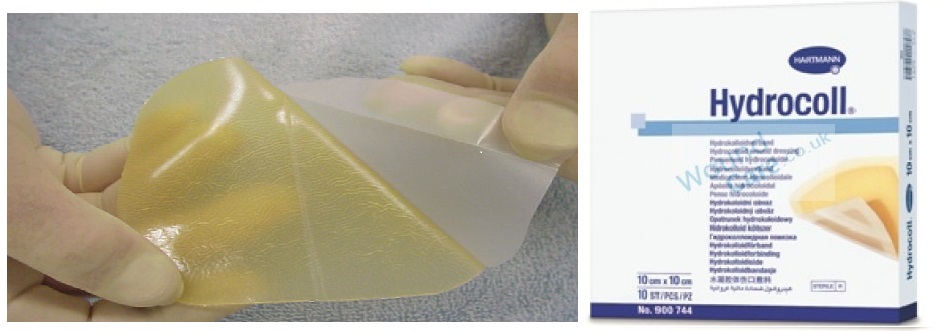
Hydrocolloid dressing is a primary dressing that is used to treat uninfected wounds.
This dressing is easy to apply.