

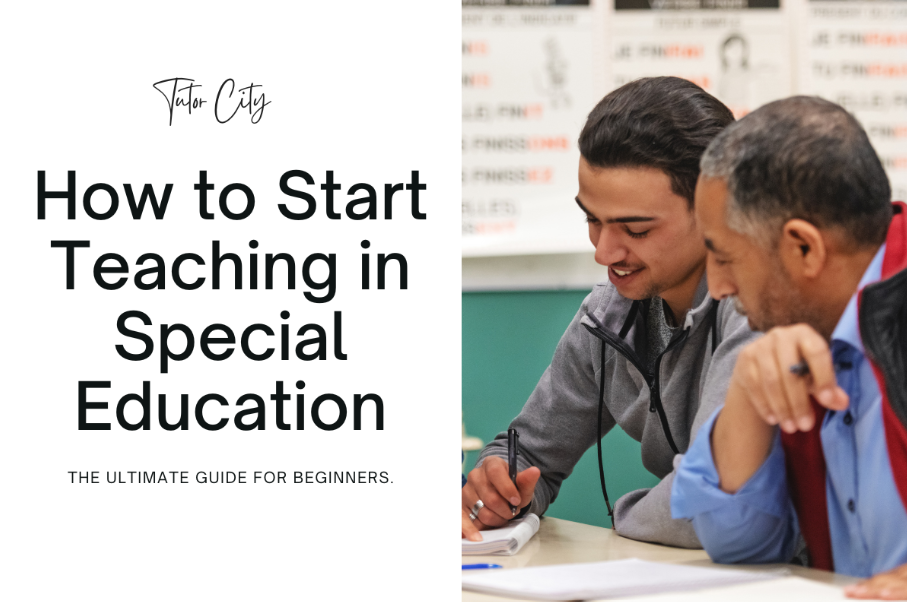
Stepping into the world of special education is not just a profession but a purposeful journey. Working with children who have unique learning needs requires dedication, empathy, and a well-prepared foundation. Whether you are shifting from a general teaching role or exploring a brand-new career path, becoming a SPED teacher offers a fulfilling opportunity to make a real difference in students' lives.
This guide will walk you through the key steps to begin teaching in special education, along with insights that help you navigate the profession with confidence.
What Is Special Education?
Special education, often referred to as SPED, caters to students who face physical, cognitive, emotional, or learning challenges that require tailored instruction. These students may be diagnosed with autism, dyslexia, ADHD, speech delays, or a range of developmental disorders. SPED teachers are responsible not only for teaching academic subjects but also for supporting students' personal and social growth.
In Singapore, there is a rising awareness and commitment toward inclusive education. Schools are working actively to provide adaptive learning environments that allow every child to reach their full potential.
Steps to Becoming a SPED Teacher
To begin your journey in special education, you will first need the right academic background. A degree in education, psychology, or child development is usually a good starting point. After your undergraduate studies, it is recommended to pursue specialized training or certification in special needs education.
For aspiring educators in Singapore, there are structured pathways available through local universities, training centres, and government-supported initiatives. If you're unsure where to start or need help navigating this path, this complete guide to becoming a SPED teacher provides an excellent foundation.
Qualities That Make a Great SPED Teacher
While academic qualifications are essential, success in the SPED field also depends on personal attributes. A great special education teacher should demonstrate:
Patience and compassion: Every child learns differently and at their own pace. Flexibility: Lesson plans may need to be changed on the spot depending on the student’s behavior or energy levels. Strong communication: You will need to interact closely with families, therapists, and school administrators. Keen observation: Subtle behavioral cues often offer deep insights into a student’s progress.
These qualities help create a safe, supportive, and engaging environment that meets each student's unique needs.
Classroom Approaches That Work
The classroom environment in special education is unlike traditional setups. Here, the focus is not only on academic instruction but also on sensory, emotional, and behavioral development. Some useful teaching strategies include:
Using visual aids and tactile tools to enhance understanding Breaking down lessons into manageable, structured steps Maintaining a predictable routine that helps reduce anxiety Reinforcing positive behaviors with rewards and encouragement Working in small groups or one-on-one sessions for personalized attention
These techniques help students stay engaged, build trust, and feel more confident in their learning.
Collaborating with Families and Professionals
One of the most important aspects of being a SPED teacher is collaboration. You will often work alongside speech therapists, occupational therapists, school psychologists, and parents. Coordinating efforts ensures that the student’s learning plan is effective and consistent across all environments.
Regular communication with parents allows them to stay informed of their child’s progress. It also builds trust and ensures that the strategies used in school are reinforced at home.
You will also be involved in drafting and reviewing Individualized Education Plans (IEPs), which are customized learning roadmaps designed for each student. Your input will be vital in setting realistic goals and tracking achievements.
Career Growth in Special Education
A career in SPED opens up several pathways for professional growth. Teachers can specialize further in areas such as autism intervention, behavioral therapy, or speech and language development. With experience, you may move into roles like curriculum specialist, educational consultant, or SPED coordinator.
In Singapore, the Ministry of Education and private institutions are investing more in the special education sector. This means more structured training, better classroom resources, and clearer career advancement opportunities.
To fully understand what the journey looks like and how to get started, consider reading this step-by-step guide for aspiring SPED teachers. It offers practical advice on certification, teaching strategies, and job expectations.
Final Words of Encouragement
Teaching in special education requires heart, dedication, and continuous learning. It may be challenging at times, but it is also deeply meaningful. Watching a child achieve a goal, communicate more effectively, or simply feel more confident is a reward unlike any other.
If you are considering entering this field, take time to understand what it involves. Speak to current SPED teachers, enroll in a training program, and reflect on whether this path aligns with your passion and strengths. When you are ready, having access to a detailed guide will help ease your transition and give you the clarity needed to move forward.
One of the most valuable resources to start with is this informative guide on becoming a SPED teacher, which lays out everything you need to know in a simple and actionable way.