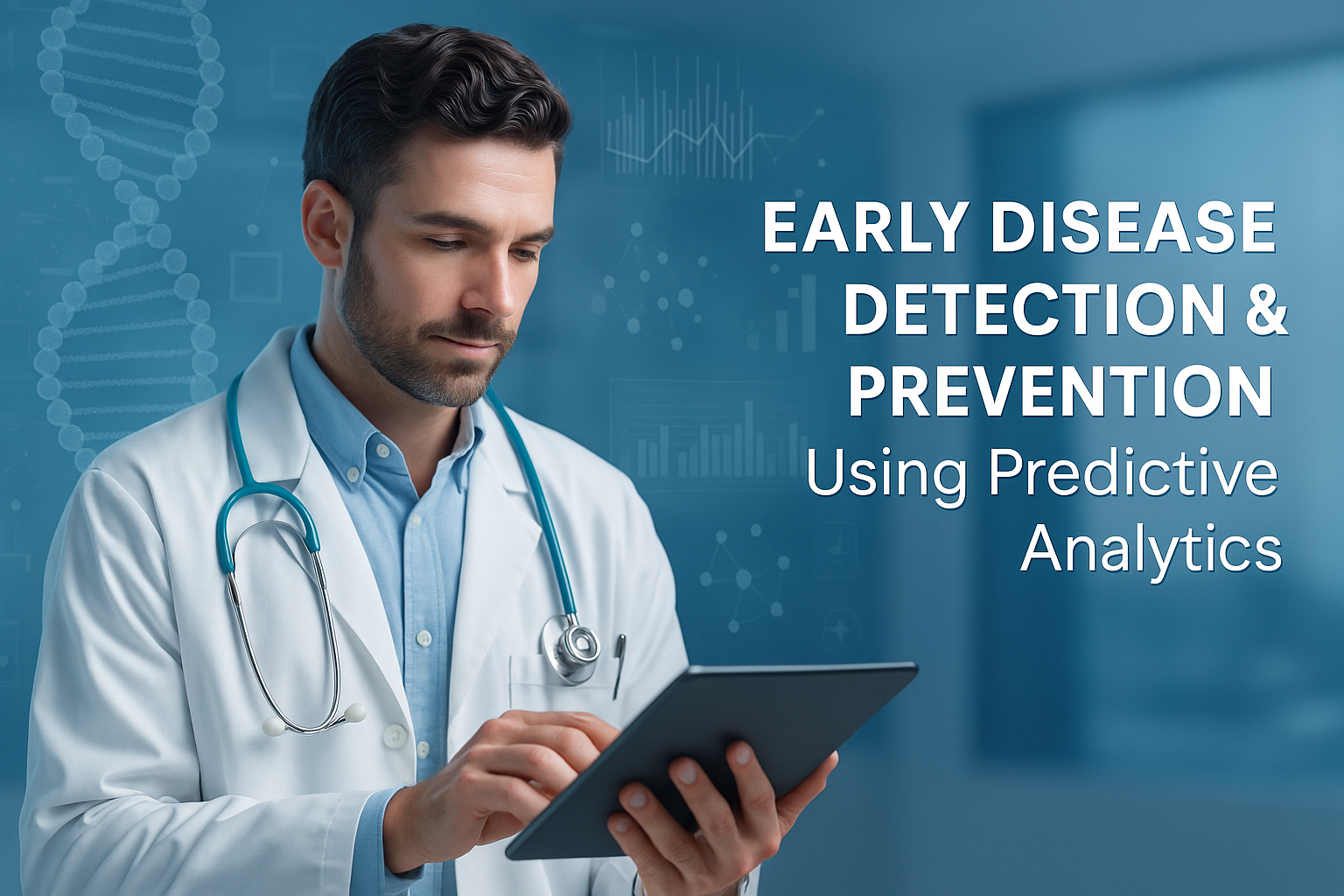
In today’s data-driven healthcare ecosystem, early disease detection isn’t just a goal—it’s a necessity. The ability to anticipate illnesses before they manifest can dramatically improve patient outcomes and reduce healthcare costs. Predictive analytics has emerged as a transformative force in this domain, enabling healthcare providers to identify health risks in advance and intervene proactively.
This guest post explores how predictive analytics in healthcare is revolutionizing disease prevention strategies, the technologies that power it, real-world examples, and why it’s becoming indispensable for forward-thinking institutions.
What Is Predictive Analytics in Healthcare?
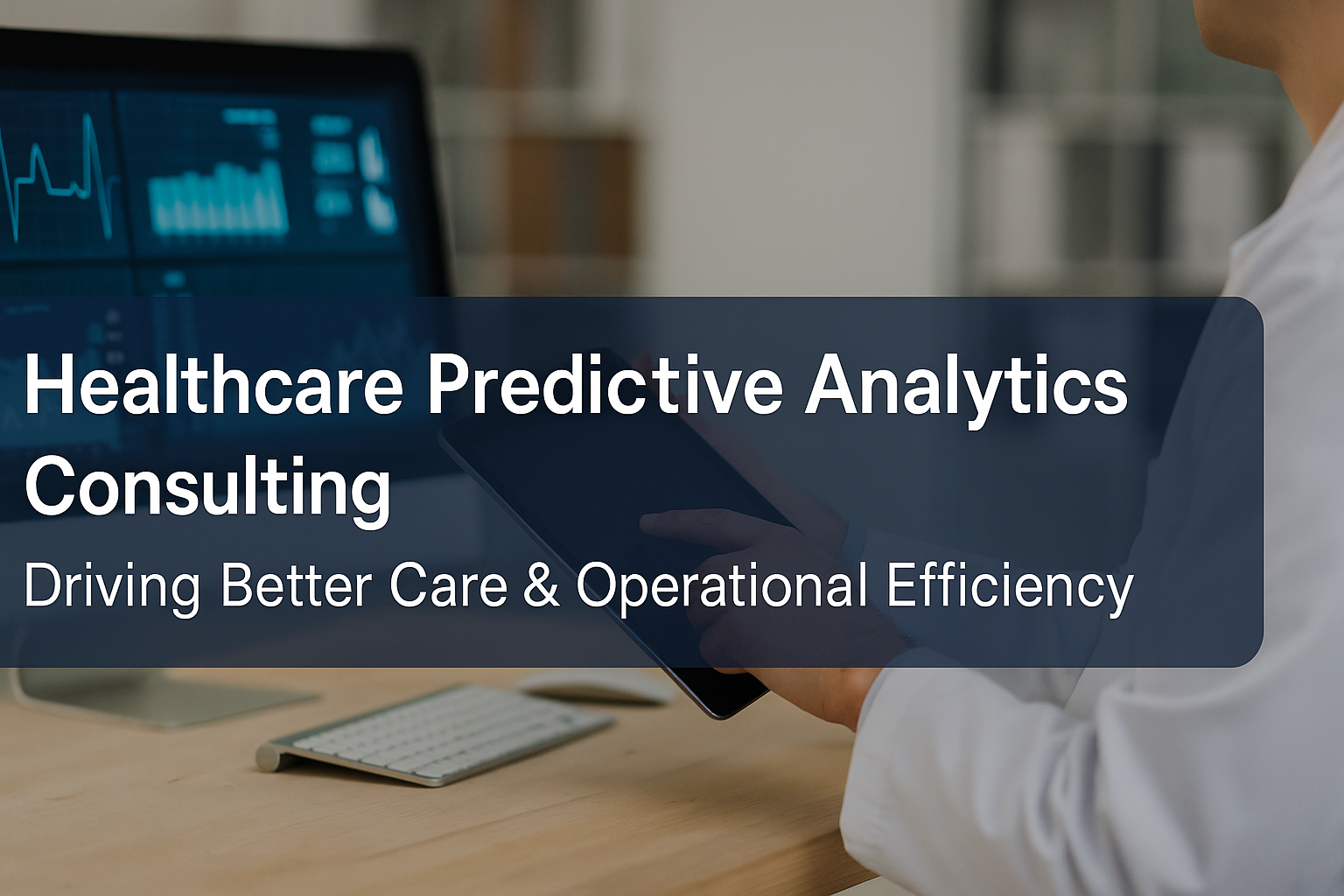
Predictive analytics involves using data mining, artificial intelligence (AI), machine learning, and statistical models to analyze current and historical data to forecast future events. In the context of healthcare, it helps clinicians and providers predict the likelihood of disease outbreaks, patient deterioration, and health events such as heart attacks or strokes.
By analyzing electronic health records (EHRs), genetics, wearable devices, and environmental data, healthcare organizations can uncover patterns that signal potential diseases—often before symptoms even appear.
Why Early Detection Matters
Early detection significantly boosts the success rate of treatment. According to the World Health Organization (WHO), early detection and prevention can reduce cancer mortality by up to 50%. Similar trends are observed in chronic conditions such as diabetes, hypertension, and cardiovascular diseases.
Predictive analytics bridges the gap between data and diagnosis, empowering caregivers to make faster and more informed decisions.
Key Applications in Early Disease Detection
Here’s how predictive analytics is actively transforming early disease detection:
1. Cancer Risk Prediction
Machine learning models trained on large datasets of cancer patient profiles can now identify at-risk individuals based on genetics, lifestyle, and environmental exposure. Hospitals are using these models to screen populations for early-stage cancers like breast, colon, or skin cancer.
2. Chronic Disease Prevention
Predictive algorithms can flag individuals who may develop chronic diseases such as diabetes or heart conditions within the next few years. By analyzing family history, lab results, and behavioral data, healthcare providers can recommend lifestyle adjustments or preemptive treatments.
3. Hospital Readmission Reduction
By analyzing a patient’s post-treatment behavior and recovery pattern, hospitals can identify who’s at risk of readmission. Timely intervention—like telehealth check-ins—can help reduce this risk significantly.
4. Infectious Disease Forecasting
Predictive models use real-time and historical data to track infectious disease spread (e.g., COVID-19, flu). These models help governments and healthcare facilities prepare resources in advance and implement timely containment strategies.
5. Preventive Health Screenings
Healthcare organizations now use predictive tools to identify patients who are overdue or at high risk for preventive screenings, ensuring diseases are caught early.
Technologies Powering Predictive Analytics in Healthcare
The effectiveness of predictive analytics depends on robust data and advanced technology. Key technologies include:
Real-World Examples
These examples show how predictive analytics helps physicians shift from reactive care to proactive health management.
Challenges to Consider
While the benefits are evident, implementing predictive analytics in healthcare comes with its set of challenges:
Future of Predictive Analytics in Disease Prevention
The next decade will see predictive analytics become deeply integrated into daily healthcare operations:
Organizations that invest in this transformation early will see measurable improvements in both patient satisfaction and cost efficiency.
Final Thoughts
The growing capabilities of predictive analytics in healthcare are redefining how we detect and prevent disease. It enables healthcare systems to become not just reactive problem solvers but proactive guardians of wellness. With data-backed foresight, diseases can be identified before they progress, and treatments can begin when they’re most effective.
Healthcare institutions looking to transform their preventive care initiatives must embrace predictive analytics not as an option, but as a strategic necessity.