

Have you ever paused to wonder how the crystal-clear windows in your home, the glossy bottles on your table, or even the sleek screen on your smartphone came to be? The story starts long before these glass products reach your hands — it begins deep within the earth, with something as humble as silica sand for glass manufacturing.
What is Silica Sand?
At its core, silica sand is simply sand that contains a high percentage of silicon dioxide (SiO₂). While common sand you find at the beach may be mixed with impurities like feldspar, mica, and organic materials, silica sand for glass manufacturing is prized for its exceptional purity.
Typically, the silica content in sand used for glass production needs to be at least 95% SiO₂, with minimal traces of iron, chromium, or other minerals that could color the glass or weaken its structure.
Why is Silica Sand Essential for Glass Manufacturing?
1️⃣ The Backbone of Glass Composition
Glass, in its simplest form, is made by heating silica (silicon dioxide) to extremely high temperatures until it melts and then cooling it rapidly. This process produces a hard, amorphous material we recognize as glass.
Without silica sand for glass manufacturing, there is no glass. Silica provides the core framework that gives glass its hardness, transparency, and chemical resistance. Other ingredients like soda ash and limestone are added to adjust melting temperatures and improve durability, but silica is always the star.
2️⃣ Purity Determines Clarity
If you’ve ever noticed the slight green tint in some bottles or window panes, that’s often caused by iron impurities. High-purity silica sand ensures that glass remains crystal clear. This is why silica sand suppliers test and certify the chemical composition of their sand, guaranteeing minimal contamination.
3️⃣ Versatility Across Glass Types
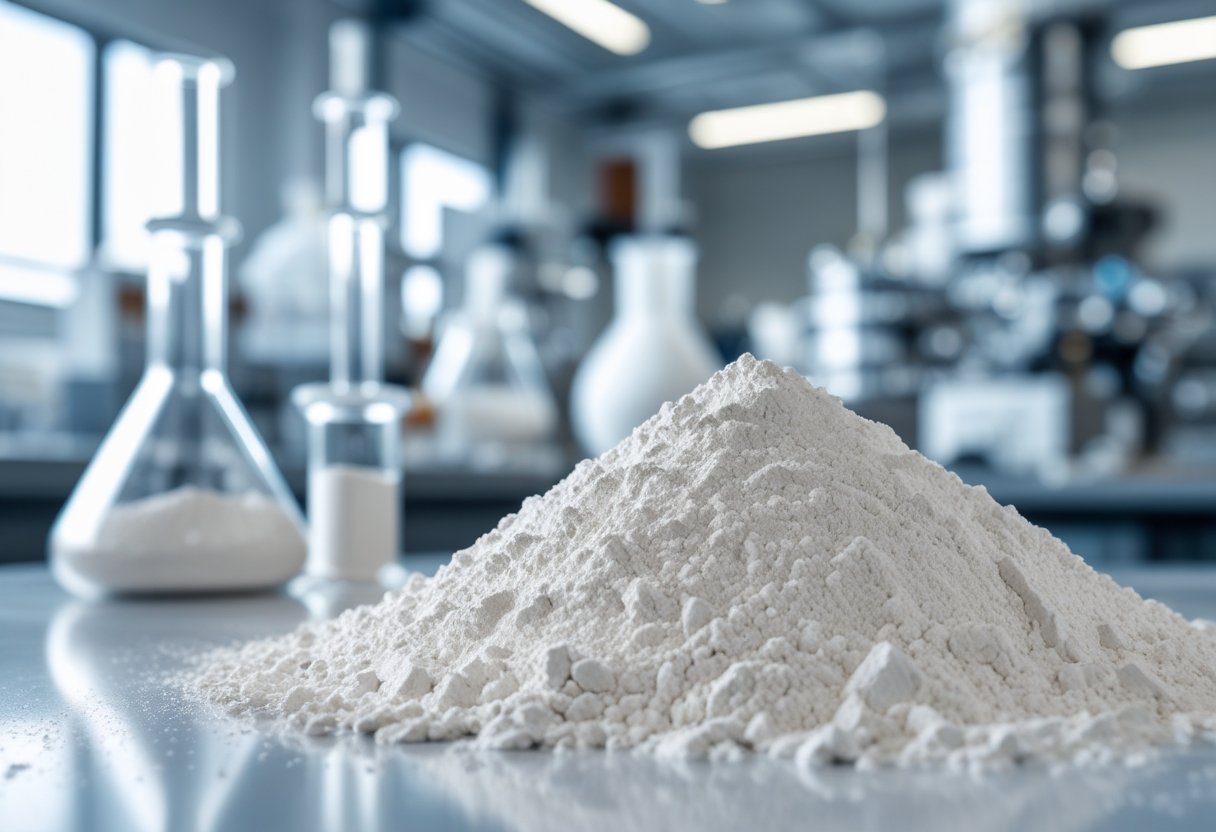
From everyday soda-lime glass used in bottles and jars to specialized borosilicate or quartz glass found in laboratories, silica sand is the starting point. Its purity and grain size are adjusted based on the final application.
The Journey: How Silica Sand Becomes Glass
Let’s explore the incredible transformation from granular sand to sparkling glass:
Step 1: Mining & Extraction
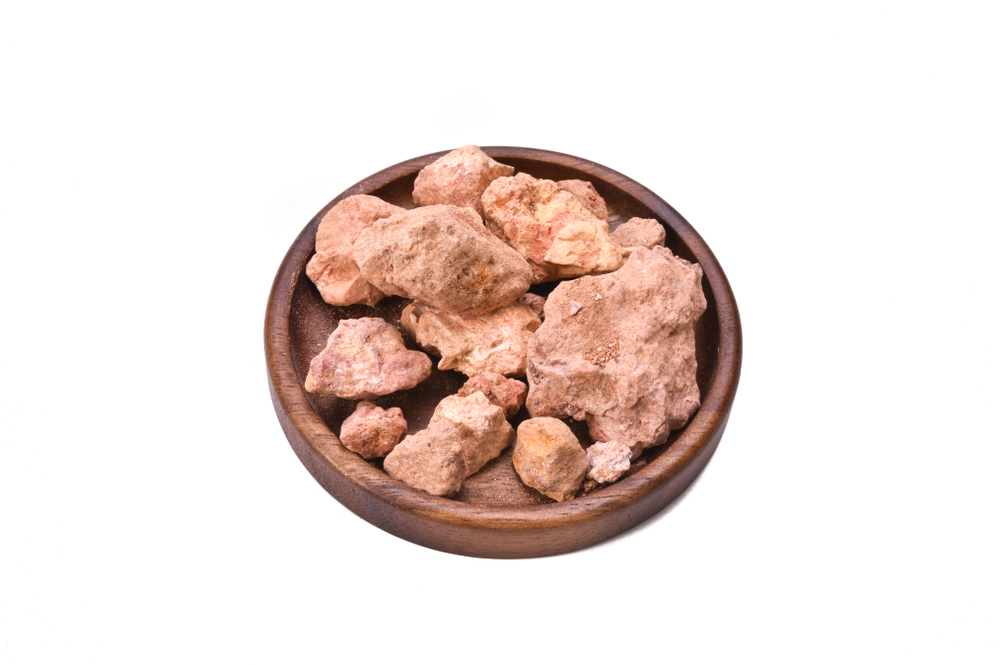
Silica sand suppliers source sand from open-pit mines, riverbeds, or ancient sandstone deposits. Before mining, extensive surveys ensure the sand meets the high silica content needed for glass production.
Once mined, the raw sand is transported to processing plants.
Step 2: Washing & Purification
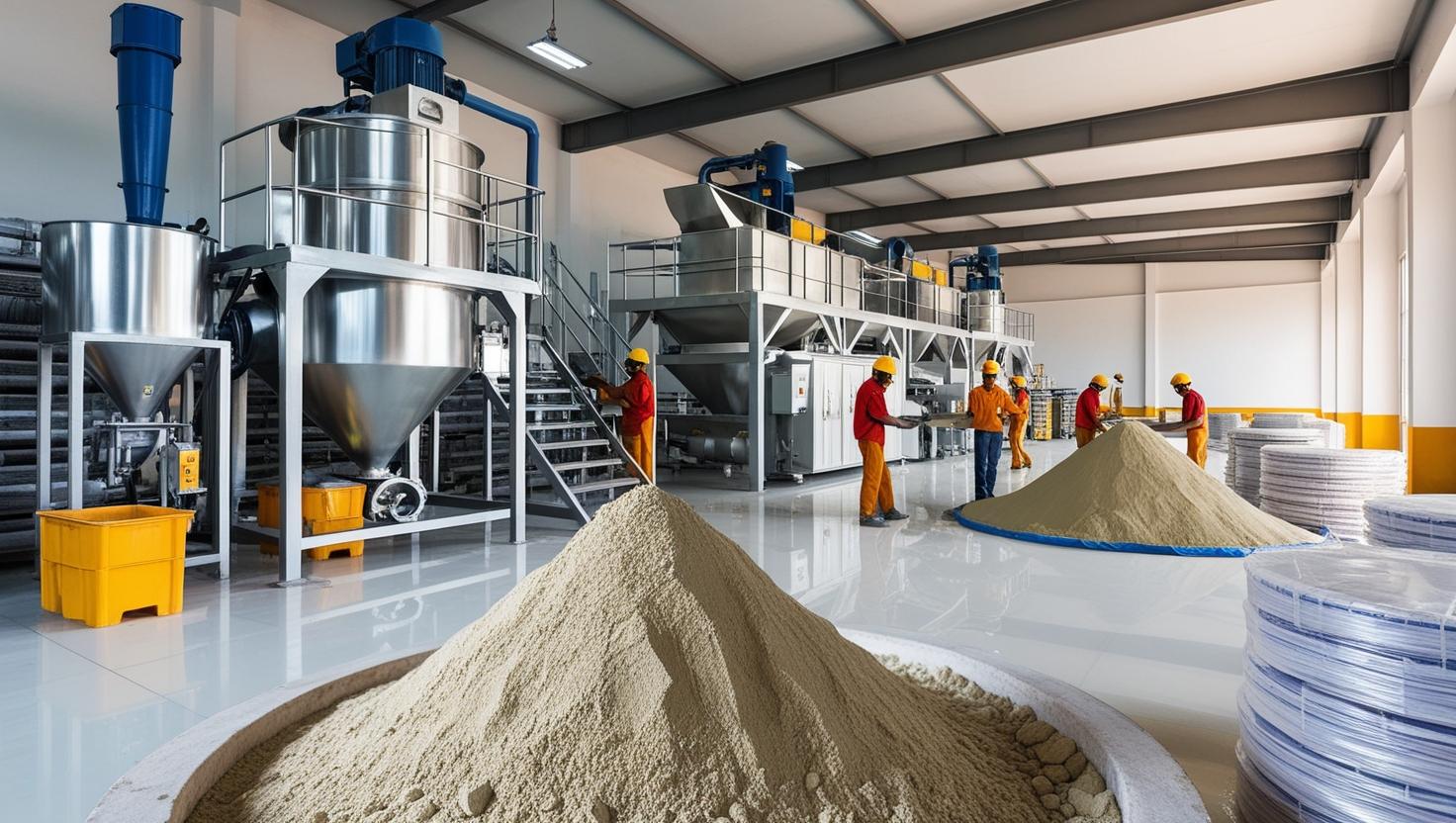
At the processing facility, the sand undergoes washing to remove clay, silt, and organic matter. Magnetic separation or flotation techniques are often employed to eliminate iron particles and other minerals that could affect glass clarity.
This meticulous purification process is critical. A single percent of unwanted minerals can compromise entire batches of glass.
Step 3: Grading & Sizing
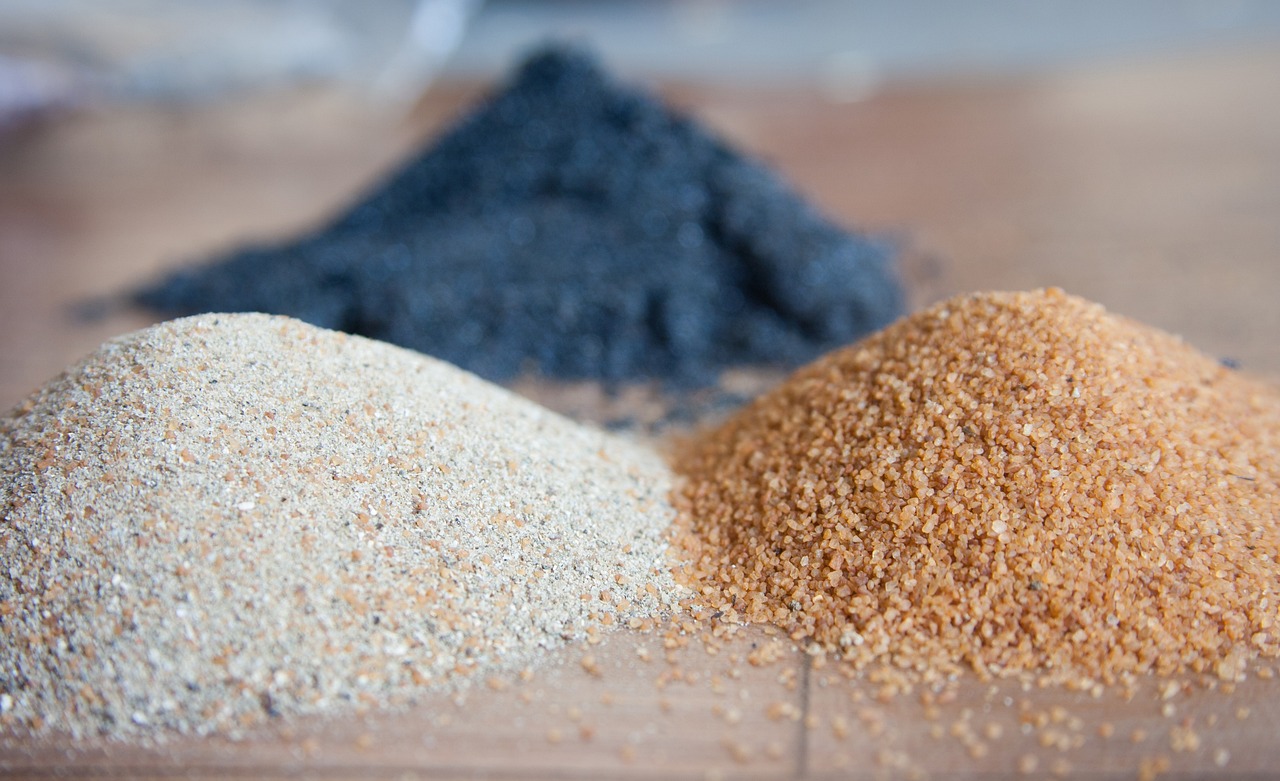
Next, the sand is graded by size. Glass manufacturers typically prefer specific grain sizes to ensure even melting. Too coarse, and the sand might not fully melt; too fine, and it could cause dusting issues or require additional processing energy.
Step 4: Mixing & Batch Preparation
In the glass factory, purified silica sand is combined with soda ash (sodium carbonate) and limestone (calcium carbonate). This mixture — known as a “batch” — is tailored based on the desired glass properties.
- Soda ash lowers the melting point of silica, making the process energy-efficient.
- Limestone helps stabilize the final glass product, preventing it from dissolving in water.
Some manufacturers also add cullet (recycled glass) to speed up melting and reduce costs.
Step 5: Melting in the Furnace
The batch is fed into massive furnaces that reach temperatures around 1,700°C (3,092°F). Here, the silica sand finally undergoes its most dramatic transformation: it melts and becomes a glowing, molten liquid.
This step is critical — uniform heating ensures a homogenous glass composition without bubbles or streaks.
Step 6: Forming into Products
Once molten, the glass is shaped into its final form. Depending on the product, it may be:
- Blown into bottles
- Rolled into sheets for windows
- Pressed into molds for tableware
- Drawn into ultra-thin fibers for fiber optics
Controlled cooling (called annealing) follows to relieve internal stresses and prevent cracking.
Step 7: Quality Inspection & Finishing
Finally, glass products are inspected for flaws. They may also undergo additional treatments like polishing, cutting, or coating to enhance durability and appearance.
The Role of Silica Sand Suppliers & Manufacturers
High-quality glass wouldn’t be possible without the efforts of silica sand suppliers and silica sand manufacturer companies. Their roles include:
✅ Ensuring Purity Through rigorous mining and purification processes, they deliver sand with consistently high silica content and minimal impurities.
✅ Custom Grading Different glass products require different grain sizes. Suppliers offer tailored grades to match precise specifications.
✅ Reliable Logistics Glass factories often operate continuously, meaning a steady supply of silica sand is crucial. Trusted suppliers ensure timely deliveries.
✅ Sustainable Practices Today’s leading silica sand manufacturers also invest in eco-friendly mining and land restoration, ensuring minimal environmental impact.
Why Industries Carefully Choose Their Silica Sand Sources
For glass manufacturers, choosing the right silica sand suppliers is as important as the glass-making process itself. Inconsistent quality or contamination can result in:
🚫 Batches of glass with visible defects
🚫 Increased energy costs due to uneven melting
🚫 Weakened final products prone to breakage
As a result, major glass factories often establish long-term partnerships with trusted silica sand manufacturers, ensuring both quality and supply stability.
Emerging Trends: Green Glass & Sustainable Silica
The glass industry is evolving, with increasing focus on:
♻️ Using recycled glass (cullet) to reduce energy needs.
🌱 Partnering with silica sand suppliers who practice responsible land management and reduce water usage.
⚙️ Advanced washing and processing that minimize waste by reclaiming water and maximizing sand yield.
By integrating these sustainable practices, the industry not only reduces its carbon footprint but also ensures a stable supply of high-quality silica sand for the future.
Fun Facts: Did You Know?
🧐 Ancient Egyptians used naturally occurring glass from meteor impacts long before learning to melt sand themselves.
🔍 Fiber optic cables, which power the internet, are made from ultra-pure silica glass strands thinner than human hair.
💎 Quartz glass, made from extremely pure silica, can withstand temperatures over 1,000°C, making it ideal for labware and telescopes.
Conclusion
From the quiet dunes where silica sand lies buried to the bustling factories where molten glass flows like honey, the journey of glass is nothing short of magical. Yet behind this wonder is the humble, often overlooked silica sand for glass manufacturing, carefully processed and supplied by dedicated silica sand suppliers and silica sand manufacturer companies.
So the next time you peer through a window, sip from a glass, or swipe across your smartphone screen, take a moment to appreciate the remarkable voyage that simple grains of sand have undertaken — truly transformed from sand to sparkling.