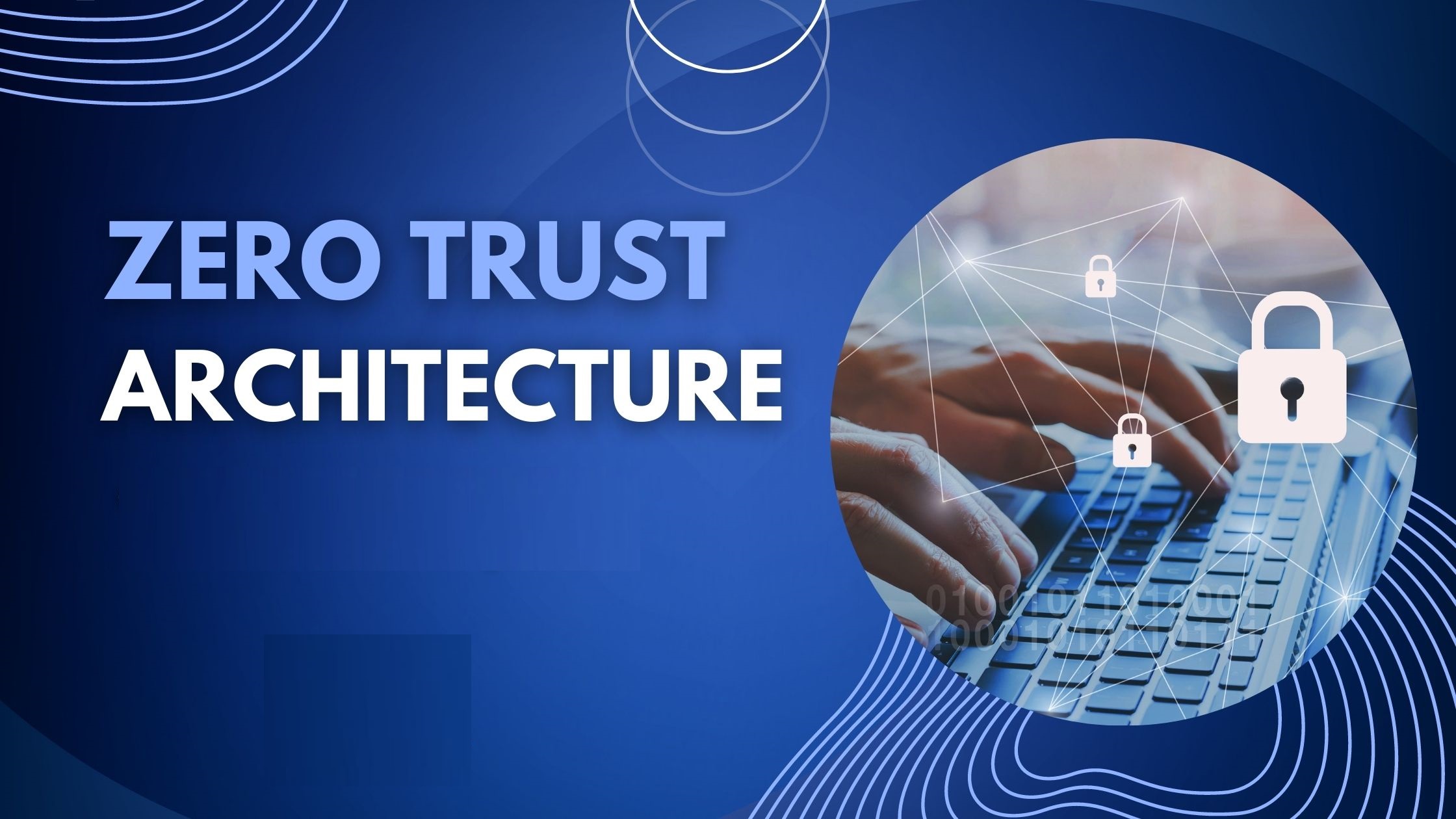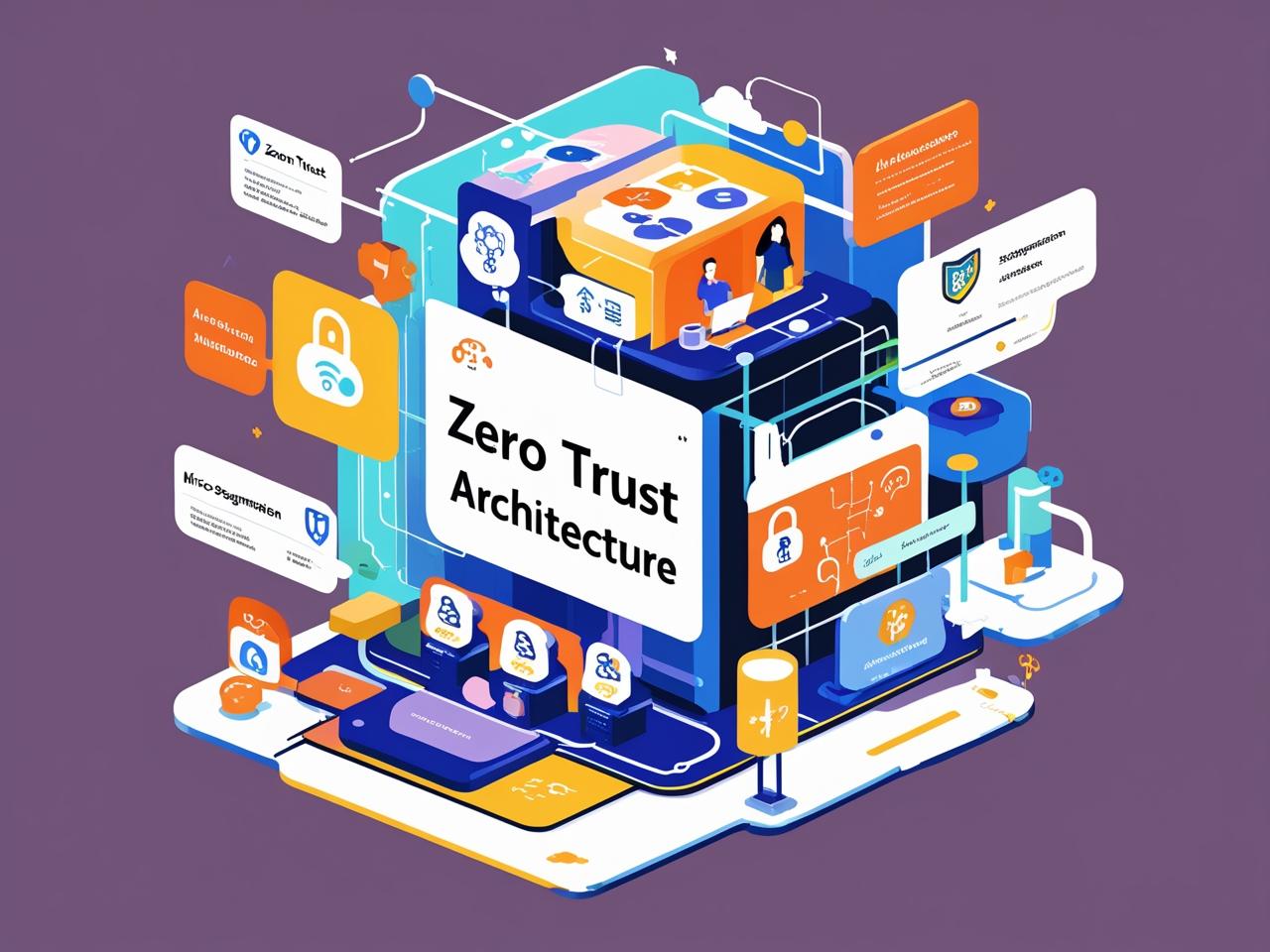
In today’s evolving digital landscape, traditional security models that rely on perimeter defenses are no longer effective. As organizations move to cloud-based environments and support remote workforces, the need for a smarter, adaptive security model has become critical. Zero Trust Architecture (ZTA) offers just that—a strategy that treats every access request as untrusted until verified.
At its core, Zero Trust operates on the idea of “never trust, always verify.” It assumes that threats could exist both inside and outside the network, and every user, device, or application must be authenticated and authorized before accessing resources.
Zero Trust is a modern cybersecurity approach built on the principle that no user or system—inside or outside the network—should be trusted by default. It is guided by three key tenets: Verify Explicitly, Least Privilege Access, and Assume Breach.
Verify Explicitly means every access request must be authenticated and authorized based on all available data, including user identity, device health, and contextual factors like location and time. Least Privilege Access ensures users are given only the minimum level of access they need to perform their duties, reducing the risk of insider threats and accidental exposure. Assume Breach acknowledges that threats may already exist inside the network, and encourages designing systems that limit the blast radius of a compromise.
The implementation of Zero Trust relies on several core components. Identity and Access Management (IAM) plays a central role, using tools like Multi-Factor Authentication (MFA) and real-time identity verification to protect entry points. Micro-segmentation divides the network into smaller, isolated segments to prevent attackers from moving laterally if they gain access. Real-time Monitoring helps detect unusual behavior or anomalies by continuously analyzing user and system activity. Lastly, Data Protection ensures that sensitive information remains secure through encryption and strict access controls.
Why Zero Trust Matters
Implementing Zero Trust reduces exposure to threats, enhances compliance with data protection laws, and strengthens your overall security posture. Though it requires investment and change management, the long-term benefits in resilience and adaptability are substantial.
Conclusion
Zero Trust isn’t just a buzzword—it’s a strategic necessity. For organizations aiming to secure their digital assets in a cloud-first world, Zero Trust provides a future-ready framework for defense.
To Know More, Visit @ https://www.jisasoftech.com/what-is-zero-trust-architecture-a-beginners-guide/