

Why Cable Cleats Matter
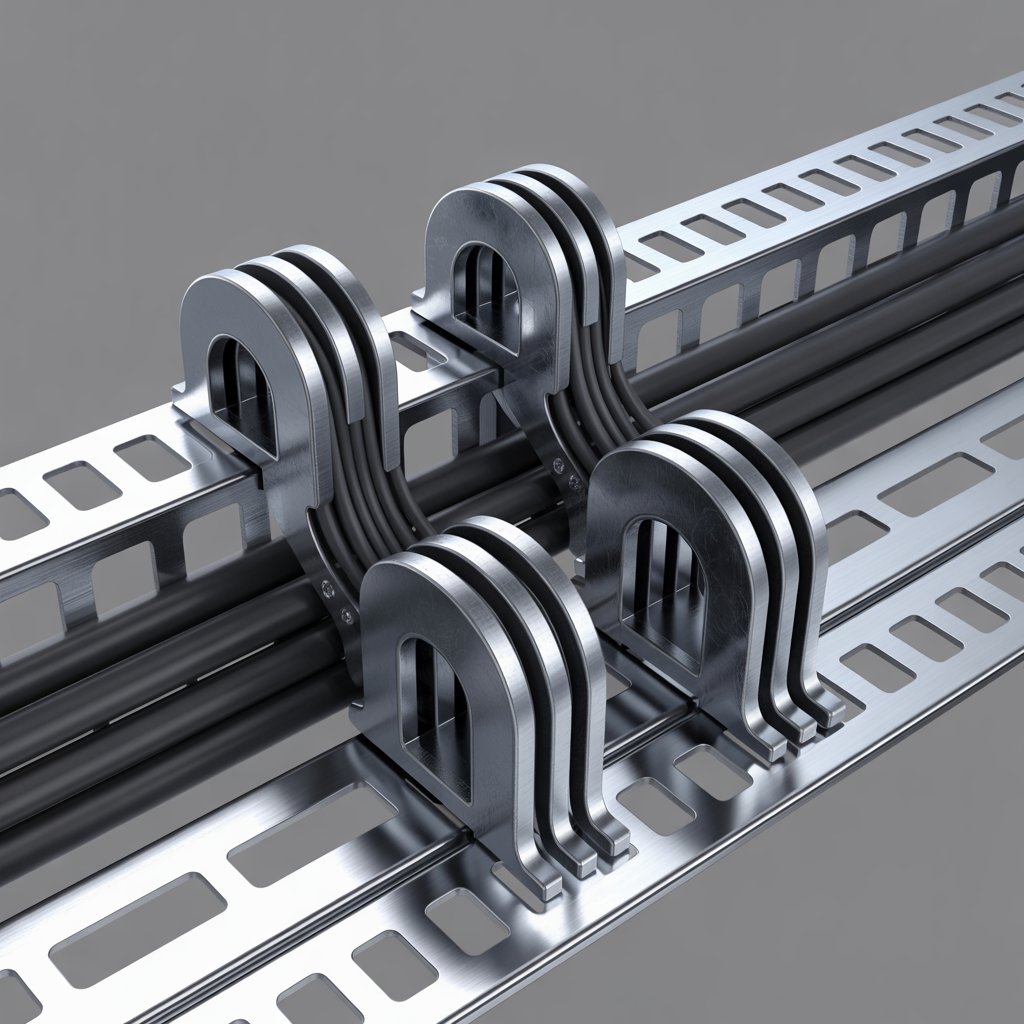
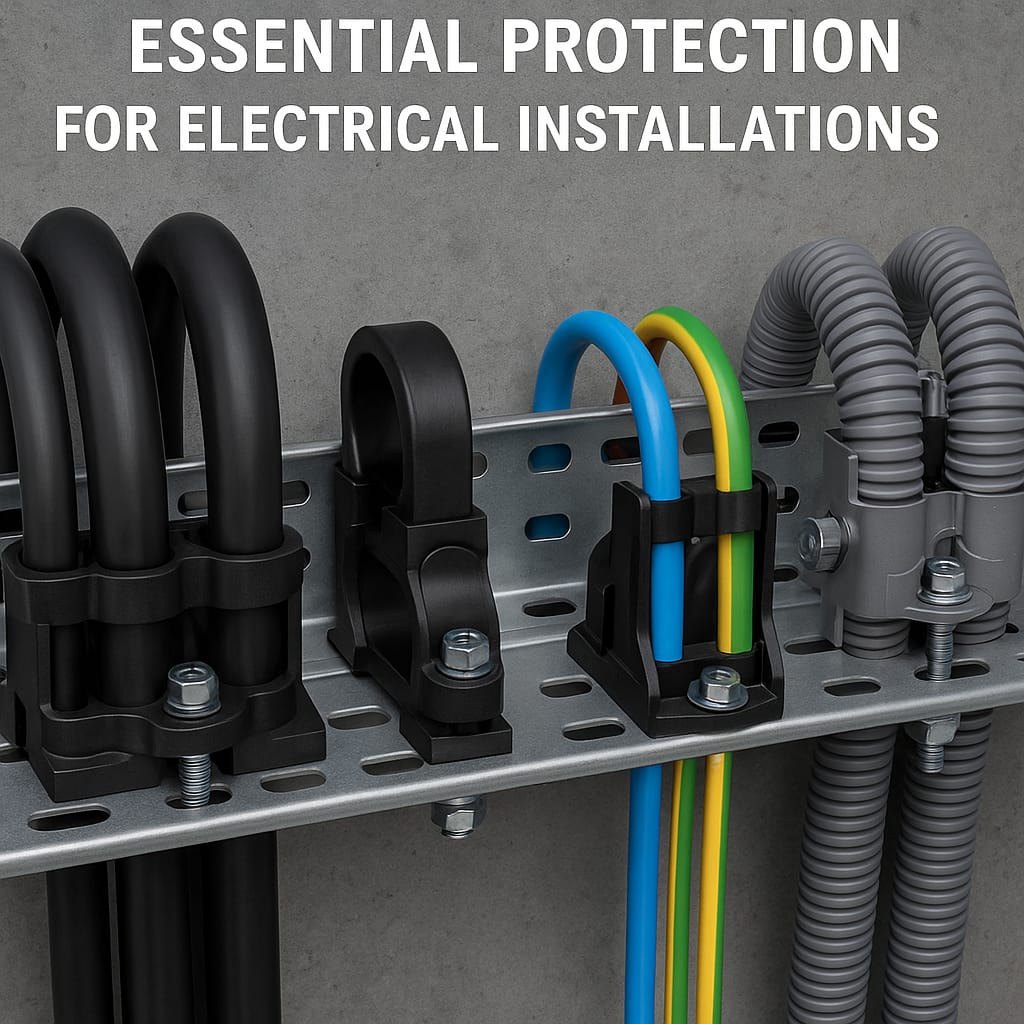
Cable cleats are critical components designed to secure cables in electrical installations firmly. They prevent cables from shifting during short circuits or heavy mechanical stress, significantly reducing the risk of insulation damage, tangled wiring, and fire hazards. By maintaining cable integrity under stress, cleats enhance the overall safety and longevity of the system.

Types of Cable Cleats
- Single Cable Cleats: Ideal for securing individual cables in a neat and organized manner.
- Trefoil Cleats: Designed specifically for three conductor cables arranged in a triangular pattern to minimize electromagnetic interference.
- Aluminum and Stainless Steel Cleats: Rugged, corrosion-resistant options suited for outdoor and industrial environments.
Many cleat designs now incorporate flame-retardant, V0-rated polymer, often reinforced with glass fiber for strength — balancing fire safety with ease of installation.
Common Applications
Cable cleats are commonly used in:
- Power plants and substations: For securing high-voltage cable bundles.
- Industrial facilities: To protect cables from vibration and mechanical wear.
- Marine and offshore environments: Requiring corrosion resistance and fire safety.
- Commercial and residential settings: Where compliance with safety standards like IEC 61914 is crucial.
Key Features & Benefits
- Short-circuit protection: Designed to withstand large electromechanical forces during fault conditions.
- Stackable design: Enhances modularity and flexibility during installation.
- Versatile mounting: Cleats are available for flat surfaces, strut rails, and center-mount configurations.
- Durable materials: UV-stabilized polymers and stainless-steel hardware extend lifespan across varied environments.
Best Practices for Installation
- Proper spacing: Ensure cleats are installed at recommended intervals to maintain stability and compliance with IEC 61914.
- Secure mounting surface: Install cleats on strong, load-bearing surfaces to resist short-circuit forces.
- Routine inspections: Regularly check cleats for signs of wear, corrosion, or looseness to maintain system safety.
Conclusion
Cable cleats might seem like a small detail, but they play a vital role in protecting electrical installations. By choosing the right type—single, trefoil, or metallic—and following proper installation guidelines, you enhance safety, prolong cable life, and ensure system efficiency. Investing in quality cleats means investing in reliable and secure electrical infrastructure.