The world is shifting toward clean, renewable energy sources faster than ever before. As solar energy takes the lead, utility-scale solar projects are becoming the backbone of this green revolution. These large-scale solar farms are not your average rooftop setups — they require precision, planning, and a deep understanding of engineering complexities.
So, why does utility-scale solar demand specialized engineering? In this blog, we’ll explore the core reasons and offer insights from the experts at AmperSolar, a trusted name in Utility Scale Solar Farm Engineering and Nationwide Professional Engineering for Utility-Scale projects.
Understanding Utility-Scale Solar
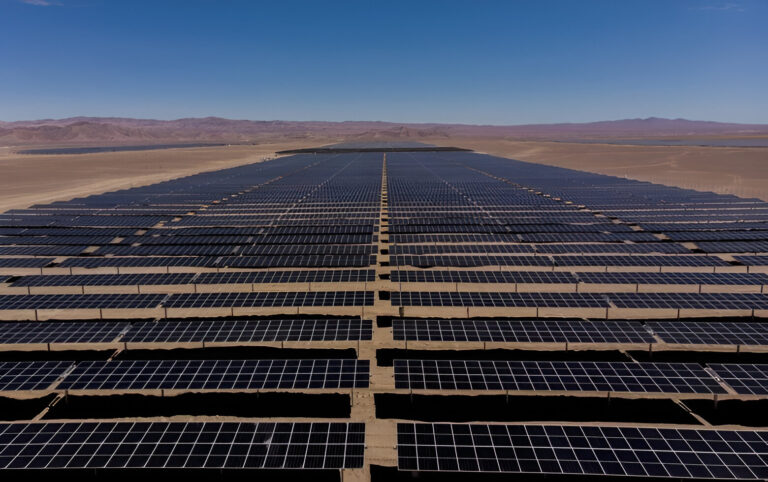
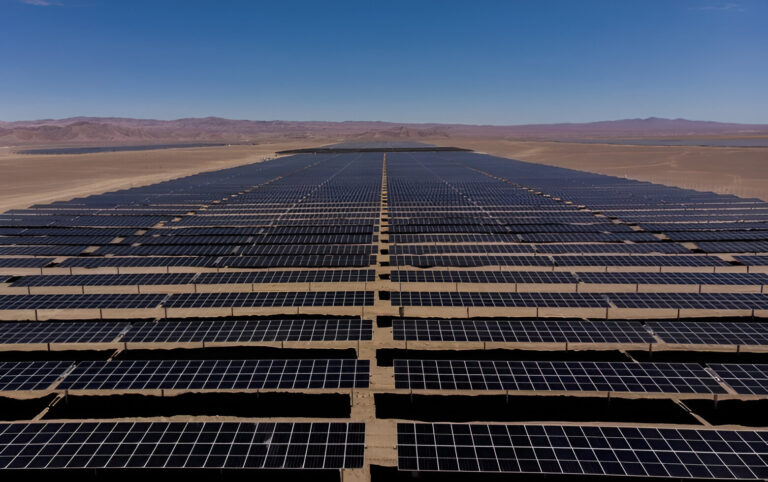
Before diving into engineering specifics, let's define what we mean by “utility-scale” solar. These are large photovoltaic (PV) installations that generate solar power and feed it directly into the electricity grid. Typically built on vast land areas, these farms produce energy on the scale of megawatts (MW) — enough to power thousands of homes.
Unlike residential or small commercial setups, utility-scale solar involves challenges in:
And these are just the starting points.
Specialized Engineering: The Backbone of Utility-Scale Success
Utility-scale projects are too complex to approach with a one-size-fits-all mindset. Here’s where specialized engineering steps in — ensuring that each system is tailored, efficient, and reliable.
Let’s break down some key areas where engineering expertise makes all the difference:
1. Site Selection & Feasibility Analysis
Every utility-scale solar project begins with site selection. But this isn’t just about finding open land. Engineers conduct detailed Power System Studies for Solar Sites, which assess factors like:
These insights guide crucial decisions that impact long-term performance and compliance. Without this groundwork, projects can face costly redesigns or delays.
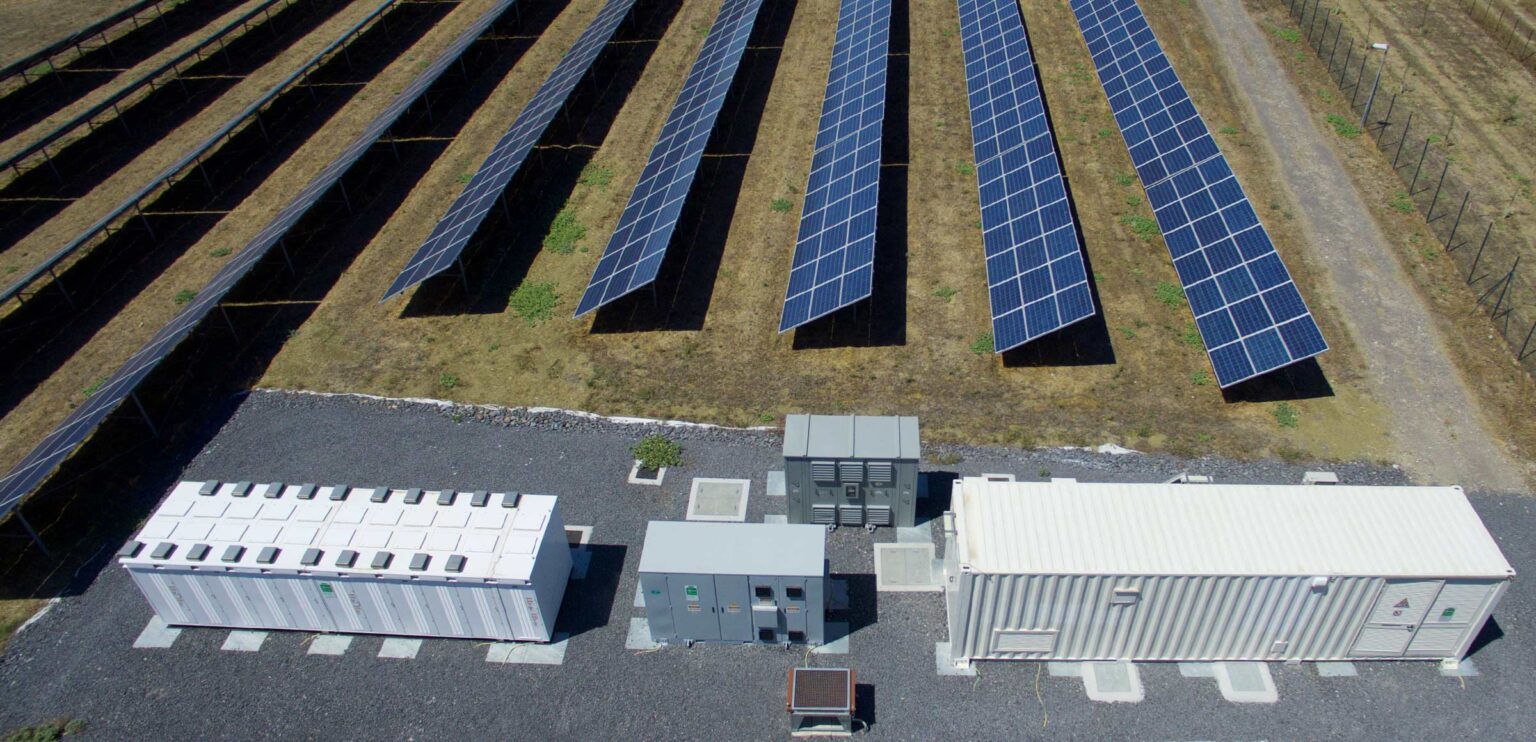
2. Electrical Design and Grid Integration
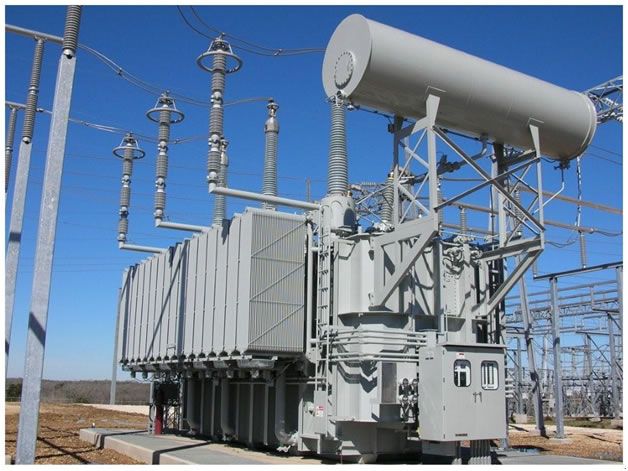
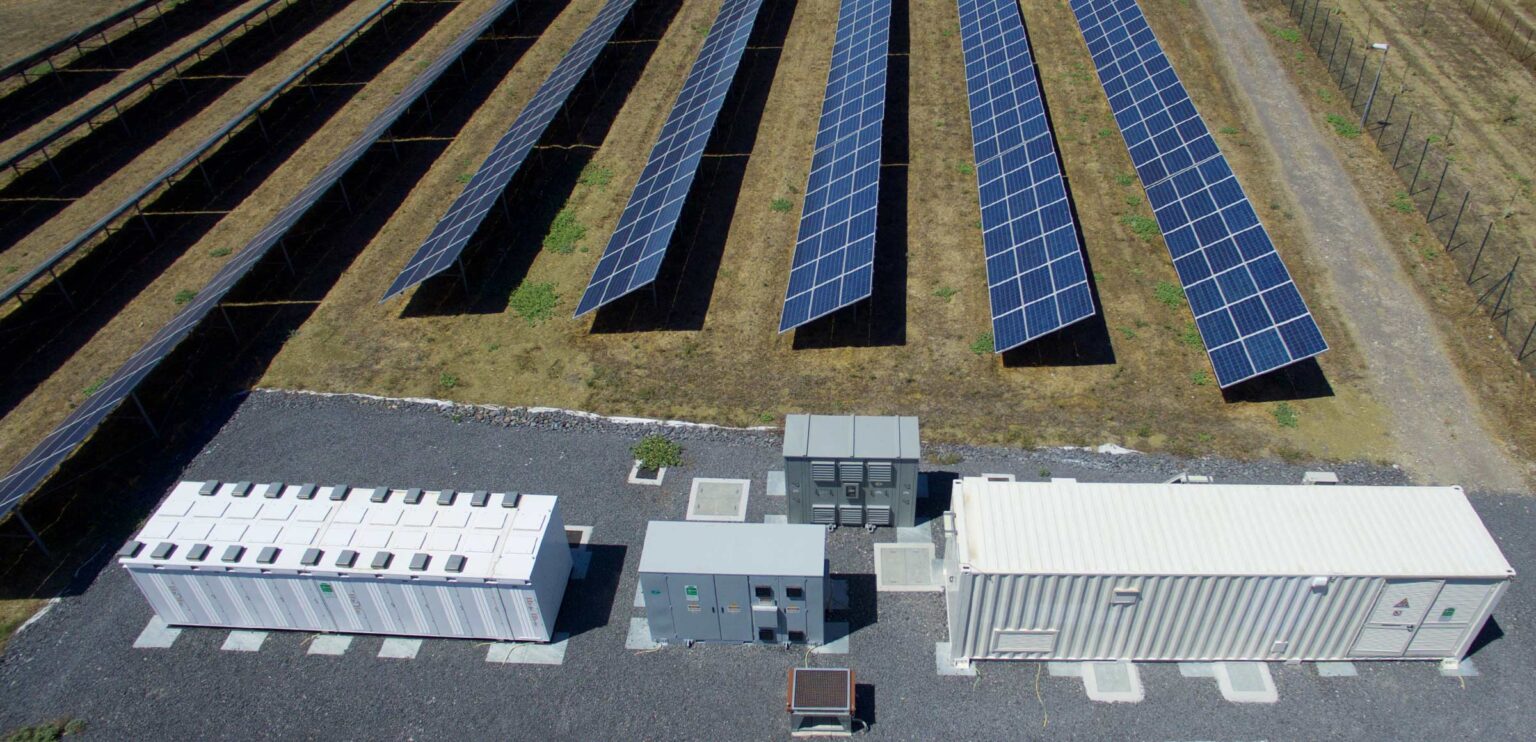
Connecting a large solar farm to the utility grid isn’t as simple as plugging in a power cord. It requires intricate electrical design, custom switchgear layouts, and interconnection studies that comply with regional utility codes.
Expert Utility & Commercial Solar Engineering professionals like those at AmperSolar ensure:
This precision ensures the project won’t disrupt grid stability and will deliver consistent power output over decades.
3. Mechanical and Structural Engineering
Utility-scale solar involves mounting thousands — sometimes millions — of solar panels on fixed-tilt or tracking systems. The design must withstand varying weather conditions, from high winds to heavy snowfall.
Engineering considerations include:
This is where Nationwide Engineering for Utility-Scale Projects stands out, especially when dealing with diverse environments across the U.S.
4. Civil Engineering and Land Use Planning
Apart from solar-specific needs, utility-scale projects also require traditional civil engineering work. This includes:
These elements might not be directly linked to electricity generation, but they play a vital role in maintaining system longevity and reducing operational issues.
5. Performance Modeling and Energy Yield Forecasting
Before a solar farm is built, investors and stakeholders need assurance of its financial and energy return. Engineering firms like AmperSolar use simulation tools and historical data to model:
This type of Utility Scale Solar Farm Engineering builds trust and confidence in the investment from the very beginning.
6. Permitting, Regulatory Compliance & Documentation
Utility-scale solar farms must meet a wide range of regulatory requirements — from environmental permits to utility company approvals.
Engineers play a critical role in preparing:
This process is often more demanding when dealing with Nationwide Professional Engineering for Utility-Scale, as each state and utility can have different rules.
7. Coordination Between Teams
A successful solar project isn’t just about good design. It’s about coordination. Engineering teams must work closely with construction crews, procurement managers, utility companies, and stakeholders.
This level of coordination requires clear communication, adaptability, and a deep understanding of both the technical and practical sides of solar development.
That’s where a partner like AmperSolar proves invaluable — offering not just engineering, but strategic guidance from start to finish.
The Rising Demand for Nationwide Expertise
With solar projects growing across the country, there's a growing need for Nationwide Engineering for Utility-Scale solutions. From deserts in Arizona to farmlands in the Midwest, each region presents its own set of engineering challenges.
That’s why a company offering Nationwide Professional Engineering for Utility-Scale is essential. Teams must be flexible enough to design for varied climates, soil types, grid codes, and construction conditions.
AmperSolar specializes in adapting its Utility Scale Solar Farm Engineering expertise to regional needs — helping developers avoid roadblocks and complete projects faster and more efficiently.
What About Rooftop and Commercial Solar?
While utility-scale gets much of the spotlight, Rooftop Solar Engineering and Commercial Solar Engineering also require careful planning and precision. Rooftop systems, particularly on large commercial buildings, present different engineering considerations:
AmperSolar’s engineering capabilities extend into this space too, delivering expert utility & commercial solar engineering services across multiple project types — all with the same attention to detail and reliability.
Real-World Impact of Good Engineering
It’s easy to overlook the value of engineering when looking at a completed solar farm. But make no mistake: it’s the foundation of long-term success.
Here’s what good engineering brings to the table:
✅ Lower construction costs through accurate design ✅ Higher system uptime and fewer maintenance issues ✅ Faster utility approvals and interconnection ✅ Improved energy output and ROI ✅ Long-term safety and compliance assurance
Without these benefits, even the most ambitious solar projects can fail to deliver on their promises.
Conclusion: Why Choose AmperSolar?
Utility-scale solar is a high-stakes field — one that leaves no room for guesswork or shortcuts. Every detail matters, and that’s why specialized engineering isn’t just helpful — it’s essential.
AmperSolar stands at the forefront of Utility Scale Solar Farm Engineering, offering Nationwide Professional Engineering for Utility-Scale and Commercial Solar projects. With expertise in Power System Study for Solar Sites, Rooftop Solar Engineering, and Nationwide Engineering for Utility-Scale Projects, they bring a comprehensive, detail-oriented approach that ensures success from planning to power-on.
Whether you’re building a massive solar farm or optimizing a commercial rooftop system, the engineering team you choose will determine your project's outcome.
Choose wisely. Choose AmperSolar — where engineering meets excellence.