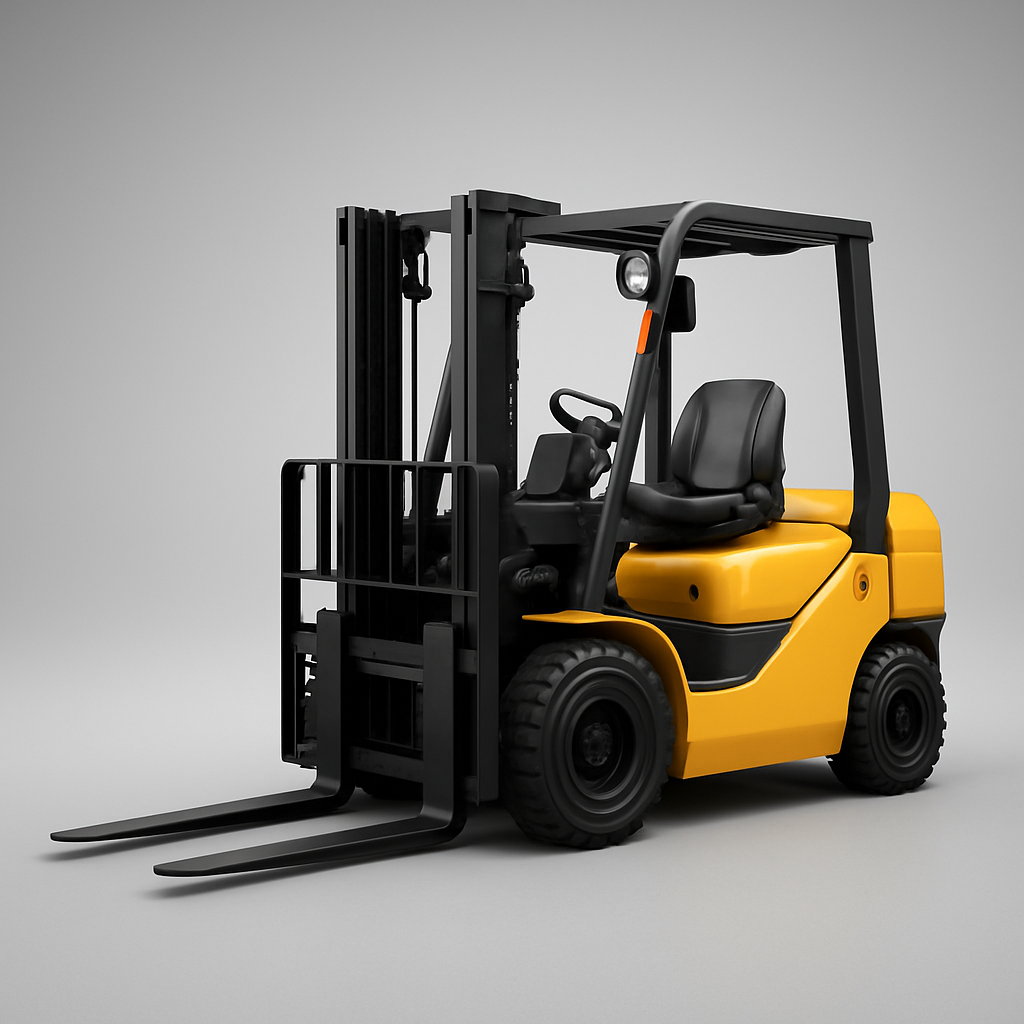
Once defined by brute strength and mechanical simplicity, the humble forklift has undergone a radical transformation. Today’s models are intelligent, connected, and increasingly autonomous—driving a global market projected to surge from $63.85 billion in 2024 to $115.88 billion by 2029, growing at a remarkable 12.6% CAGR . This revolution isn’t just about lifting power; it’s about how cutting-edge technologies are reshaping material handling from the warehouse floor to the construction site.
The Engine of Growth: E-Commerce and Electrification
The relentless rise of online shopping is arguably the single largest driver of forklift innovation. With e-commerce revenues projected to grow at 12.6% annually through 2025, warehouses face unprecedented pressure to accelerate order fulfillment. Forklifts sit at the heart of this logistics revolution, evolving from simple load-shifters to integrated data hubs. Simultaneously, a sustainability wave is transforming power sources: - Electric forklifts now dominate 66% of the global market, far outpacing internal combustion models - Lithium-ion batteries are replacing lead-acid thanks to 30% faster charging, 2-3x longer lifespans, and opportunity charging capabilities - Major manufacturers report electric models now handle 85%+ of indoor applications, eliminating emissions and reducing noise pollution
The Rise of the Machines: Automation and Intelligence
Automation has moved from sci-fi fantasy to warehouse reality. Autonomous Mobile Robots (AMRs) now navigate complex environments using sensor fusion, performing tasks from pallet transport to high-level storage with minimal human intervention:
Table: Key Automation Benefits
| **Feature** | **Impact** | **Deployment Time** | |----------------------|----------------------------------------------------------------------------|--------------------------| | Swarm Robotics | Enables coordinated fleets that share data for optimized routing | Days to weeks | | Telematics Systems | Provide real-time location, performance metrics, and maintenance alerts | Integrated at purchase | | Hybrid Fleets | Allow autonomous and manual forklifts to collaborate safely | Phased implementation |
These systems aren’t just convenient—they’re solving critical labor shortages. With 56% of warehouse managers citing downtime as their top challenge, and 49% regretting underestimating maintenance costs, automation offers reliability that directly impacts the bottom line .
Data: The New Hydraulic Fluid
Modern forklifts generate terabytes of operational intelligence. Telematics and fleet management systems turn this data into actionable insights: - Predictive maintenance algorithms anticipate failures before they occur, reducing downtime by up to 25%. - Operator performance analytics identify training opportunities, decreasing accidents and improving workflow efficiency. - Fleet optimization tools precisely calculate ideal fleet size, potentially saving $18,000+ per unnecessary unit annually. As one industry expert notes, "It’s no longer about moving pallets—it’s about moving information. Forklifts have become the most data-rich assets in the warehouse" .
Safety and Ergonomics: Protecting People and Productivity
While automation advances, human operators remain essential—and their safety is paramount. Modern forklifts incorporate multiple protective systems: - Collision avoidance sensors using LiDAR and cameras - Load stability monitors preventing tip-overs - Operator assist features like speed limiters in pedestrian zones Ergonomics have equally evolved. Reduced mount/dismount requirements adjustable seating, and intuitive controls combat operator fatigue—a critical factor in facilities where shifts exceed 8 hours . Virtual Reality (VR) training simulators further reinforce safety protocols, allowing operators to master skills in risk-free environments.
The Counterweight: Enduring Niche for Traditional Models
Despite electrification’s surge, niche applications still favor traditional models: - The U.S. used diesel forklift market is projected to grow steadily at 4.5% CAGR, reaching $4.58 billion by 2033. - Rugged outdoor environments like lumber yards and construction sites still rely on diesel’s torque and durability. - Cost sensitivity makes quality refurbished units attractive, especially for SMEs. Even here, technology penetrates. Advanced emissions controls and efficiency upgrades make modern diesels 15-20% cleaner than decade-old models .
The Road Ahead: Customization and Total Cost Revolution
Looking toward 2025, two trends stand out. First, customization is king. With 63% of buyers citing specialized features as decisive, manufacturers offer: - Cold storage variants (-30°C capability) - Explosion-proof models for chemical plants - Ultra-narrow aisle designs maximizing storage density
Second, smart buyers now evaluate Total Cost of Ownership (TCO), not just sticker price. This includes: TCO = (Purchase Price) + (Energy/Fuel Costs) + (Maintenance) + (Downtime Impact) - (Resale Value) This shift explains why 41% of buyers now lease equipment—preserving capital while accessing cutting-edge technology .
The Forklift as Strategic Asset
The forklift’s evolution from simple machine to intelligent system mirrors industry’s broader digital transformation. As Hyundai, Jungheinrich, Toyota, and Kion Group (collectively commanding over 50% market share) pour resources into autonomy and connectivity , these "smart lifters" become central to competitive advantage.
The future belongs to businesses leveraging this convergence—where lithium-ion power, AI-driven analytics, and operator-centric design fuse into seamless material handling ecosystems. As warehouses evolve into tech hubs, the forklift sits not on the periphery, but at the digital heart of industrial progress.

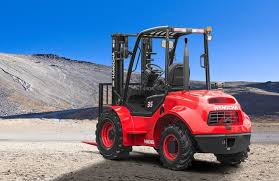
Hangcha Forklift is the world's top 8 brand and major enterprise in the forklift manufacturing industry in China with over 60 years’ experience that offers forklift for sale Dandenong.

forklift salesWe are all constructed out of our self dialogue.
Team / Clients / Contact Overview AG Equipment Pte Ltd (AG) is establish in 2009 and have grown over the years leasing industrial machinery; comprising mainly Mobile Elevated Work Platforms (MEWP), forklift and other industrial machinery.
AG is a solutions provider for customer across various industries...http://angequipment.com.sg