


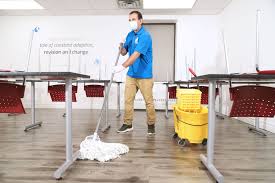
How Often Should an Office Be Cleaned: Understanding the Basics of Office Hygiene
In today's fast-paced work environment, maintaining a clean office space is more than just a matter of aesthetics; it is a fundamental aspect of ensuring employee health and productivity. The frequency and method of cleaning tasks such as vacuuming and mopping play a significant role in determining the overall ambiance and hygiene of the workspace. To establish an effective cleaning schedule, it is crucial to understand the specific needs of your office environment. This includes considering factors such as foot traffic, the type of flooring, and the nature of the work conducted within the space. Each of these elements can influence how often cleaning tasks should be performed to maintain a pristine work environment.
The Importance of Regular Office Cleaning for Health and Productivity
Regular office cleaning is not just a routine task but a vital component of maintaining a healthy work environment. Dust, allergens, and germs can accumulate rapidly in office settings, leading to potential health issues for employees. A clean office environment promotes not only physical health but also enhances mental well-being and productivity. Employees are more likely to feel motivated and focused in a tidy and organized setting. An unkempt office, on the other hand, can lead to increased stress and decreased productivity. Therefore, consistent cleaning practices are essential to foster a conducive work environment.
Vacuuming: Frequency and Best Practices for Optimal Cleanliness
Vacuuming is a critical task in maintaining clean carpets and floors in an office setting. The frequency of vacuuming largely depends on the amount of foot traffic the office experiences. High-traffic areas, such as entrances and hallways, may require daily vacuuming to prevent the buildup of dirt and debris. Conversely, less frequented spaces might only need attention once or twice a week. It is important to use a vacuum cleaner equipped with a HEPA filter to effectively capture dust and allergens, ensuring a cleaner and healthier office environment. Regular vacuuming not only extends the life of the flooring but also contributes to improved indoor air quality.
Mopping: When and How Often to Maintain Floor Hygiene
Mopping is an essential task for maintaining hard floor surfaces such as tiles, wood, or laminate in an office. The frequency of mopping depends on the level of foot traffic and the type of activities conducted in the office. For most offices, mopping once a week is sufficient to keep floors clean and hygienic. However, in areas where spills are common or where food is consumed, more frequent mopping may be necessary. This helps prevent stains and maintains a hygienic environment. Regular mopping not only keeps the floors looking clean but also helps in preventing slip hazards and maintaining a safe work environment.
Vacuuming vs Mopping: Which Comes First in the Cleaning Process?
The debate over whether to vacuum or mop first is an ongoing one in the realm of office cleaning. Generally, it is advisable to vacuum before mopping. Vacuuming removes loose dirt and debris from the floor, making mopping more effective. By vacuuming first, you prevent dirt from being spread around when mopping, ensuring a cleaner finish. This sequence helps in achieving a more thorough cleaning and prevents the floors from becoming muddy or streaked, which can occur if mopping is done first. Understanding the right sequence of cleaning tasks can greatly enhance the efficiency and effectiveness of your office cleaning routine.
Customizing Your Cleaning Schedule to Meet Office Needs
Each office is unique, and so is its cleaning schedule. Customizing the cleaning routine to suit the specific needs of your office is crucial for maintaining a clean and hygienic environment. Consider factors such as the number of employees, the type of flooring, and the office layout when determining how often to clean. Regular assessments of the office environment can help in adjusting the cleaning frequency to meet changing needs. By tailoring the cleaning schedule to the specific requirements of your office, you can ensure that all areas are adequately maintained, contributing to a healthier and more productive work environment.
Incorporating Professional Cleaning Services for Comprehensive Care
For many offices, hiring professional cleaning services can be a practical and efficient solution. Professional cleaners have the expertise and equipment to ensure that all areas of the office are thoroughly cleaned. They can provide services such as deep cleaning carpets, sanitizing surfaces, and maintaining restrooms, which might be challenging to manage with in-house staff alone. Incorporating professional cleaning services into your office maintenance routine can enhance the overall cleanliness and hygiene of the workspace, allowing employees to focus on their core tasks without the distraction of cleaning duties.
Conclusion: Maintaining a Pristine Work Environment for Business Success
Maintaining a clean office is not just about aesthetics; it is about creating a healthy and productive environment for employees. By understanding the importance of regular cleaning and the best practices for vacuuming and mopping, office managers can ensure their workspace remains inviting and hygienic. Whether through in-house efforts or professional services, a well-maintained office is a cornerstone of business success. A clean office environment fosters employee satisfaction, reduces absenteeism due to illness, and enhances overall productivity, ultimately contributing to the success and growth of the business.


If you have any questions about fertility or are having difficulties getting pregnant The Fertility Consultant will be available to help you.
The Fertility Consultant should be knowledgeable in all areas and have a wealth of experience in diagnosing and treating fertility issues.The Fertility Consultant will schedule an appointment with your spouse and you for a fee.
In these situations, the Fertility Specialist will collect information using various methods and give the information to you and your spouse during the first consultation.After you have had your first consultation with the Fertility Specialist, you and your partner will be asked questions regarding the history of your fertility, symptoms of infertility and your expectations regarding conception and pregnancy.
The Fertility Consultant will go through all of the information and create a custom fertility test for you.
The test for fertility is designed and targeted specifically to your particular circumstance.
You'll be asked to fill out several pages of information and then return to your doctor with the results from the test in hand.The Fertility Consultant is the initial step in the treatment.