In the realm of industrial metalworking, cutting accuracy is non-negotiable. One tool that consistently meets the mark is the metal band saw. Known for its robust performance and unmatched precision, this machine has become a staple in manufacturing plants, welding shops, and engineering facilities. As demand grows for durable and efficient cutting solutions, the metal band saw continues to prove its value across countless applications.
Precision Meets Productivity
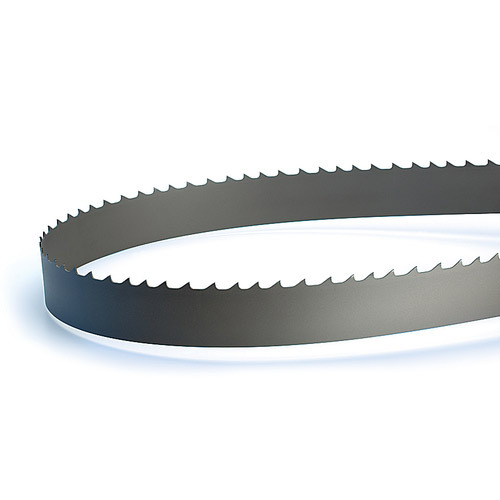
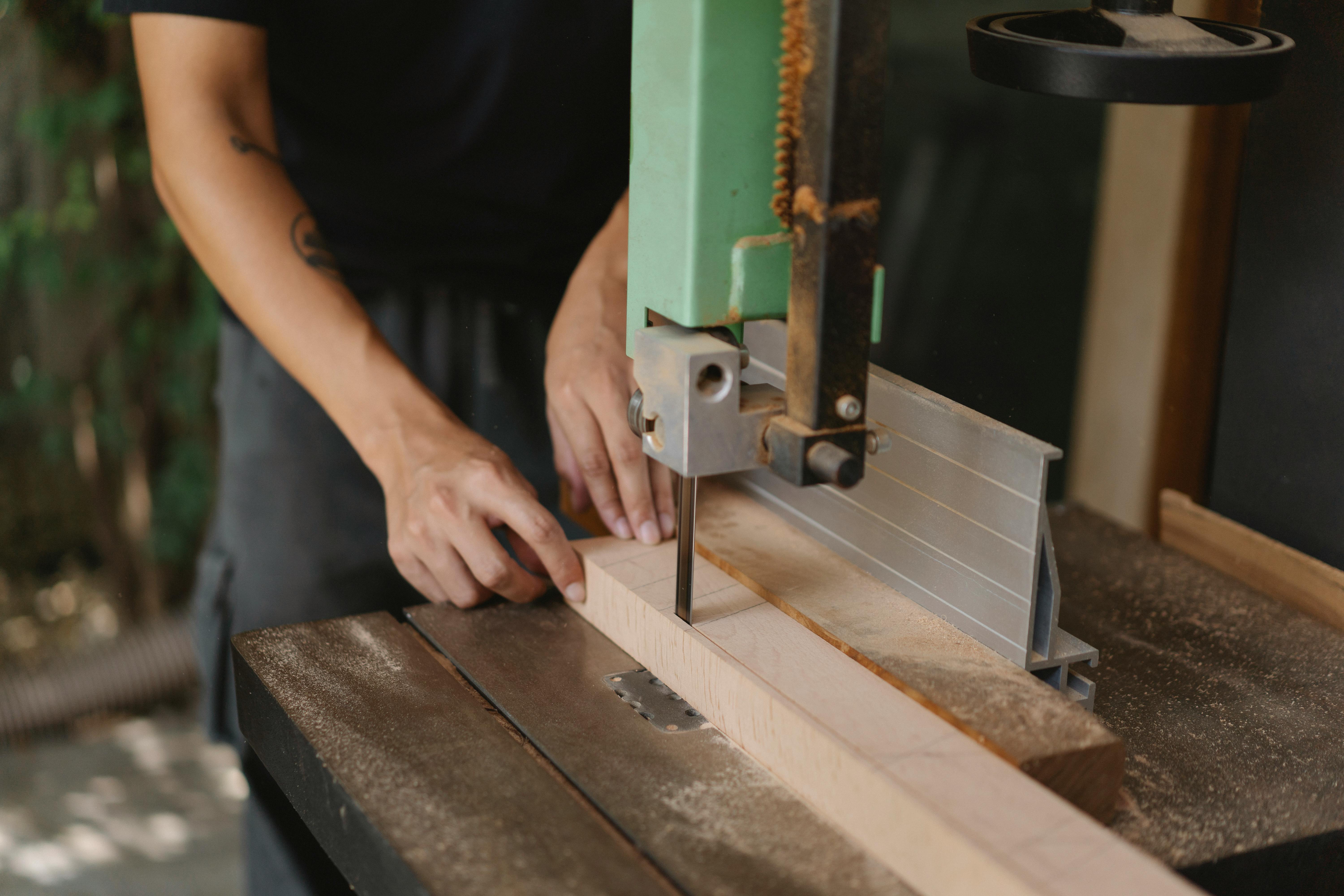
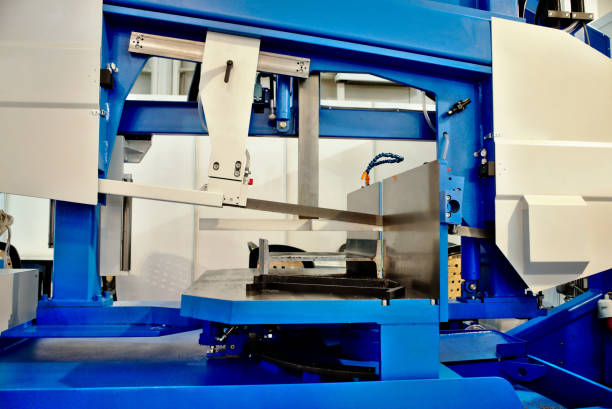
The strength of a metal band saw lies in its design: a rotating blade looped between two wheels, guided by adjustable arms. This design allows for steady cutting with minimal friction, which translates to more accurate results. When compared to traditional manual saws or abrasive wheel cutters, the metal band saw significantly reduces operator fatigue while increasing output quality. For businesses focused on repeatability and precision, the metal cutting band saw is a go-to solution. With programmable settings on advanced models, operators can automate cutting lengths, angles, and feeds—optimizing performance for bulk jobs without compromising accuracy.
Industrial Use Cases
The metal cutting band saw shines in a wide variety of sectors. From cutting steel beams in construction to slicing titanium rods in aerospace applications, its uses are virtually limitless. In automotive manufacturing, it’s used to trim parts to exact specifications, ensuring components fit together seamlessly. In shipbuilding and heavy machinery production, it handles thick plates and large cross-sections with ease. These machines are also indispensable in custom fabrication shops, where odd shapes and small runs are common. A metal band saw's ability to pivot for miter cuts or to handle unique materials makes it highly adaptable to any project.
Key Advantages of the Metal Cutting Band Saw
Among the top advantages is its ability to work with different types of metals. From aluminum and copper to stainless steel and hardened alloys, a high-quality metal cutting band saw can handle them all. Adjustable speed settings allow for optimal blade performance, depending on the hardness and thickness of the material. Another major benefit is lower operational cost. Unlike plasma or laser cutters that consume considerable power and require specialized maintenance, a metal band saw is relatively inexpensive to operate. Blade replacements and general upkeep are minimal, making it a cost-effective long-term investment.
Safety and Longevity
Safety is always a concern in industrial environments. Fortunately, most metal band saws come with protective features such as automatic blade stops, spark guards, and anti-kickback mechanisms. These significantly reduce the likelihood of accidents and ensure smoother operation. Routine maintenance, like checking alignment and blade sharpness, plays a major role in keeping a metal cutting band saw running efficiently. Industrial users should also monitor coolant levels and motor temperature to avoid downtime.
Conclusion
The metal band saw stands tall in the world of industrial metal cutting. Its ability to combine precision with durability makes it a critical asset for companies that prioritize quality and speed. With a powerful metal cutting band saw in your operation, you’ll unlock the potential for greater efficiency, enhanced safety, and superior craftsmanship—all in one dependable tool.