When working with electrical systems, safety and efficiency are non-negotiable. One of the essential components that ensure clean, secure connections in wiring projects is the cord end terminal. Whether you're working on a commercial installation, an industrial panel, or a DIY project, choosing the right cord end terminal can make all the difference in durability, current flow, and long-term performance.
In this blog, we’ll guide you through how to select the right cord end terminals for your wiring needs, focusing on the most common types including Red Cord End Terminals, Yellow Cord End Terminals, and Orange Cord End Terminals.
What Are Cord End Terminals?
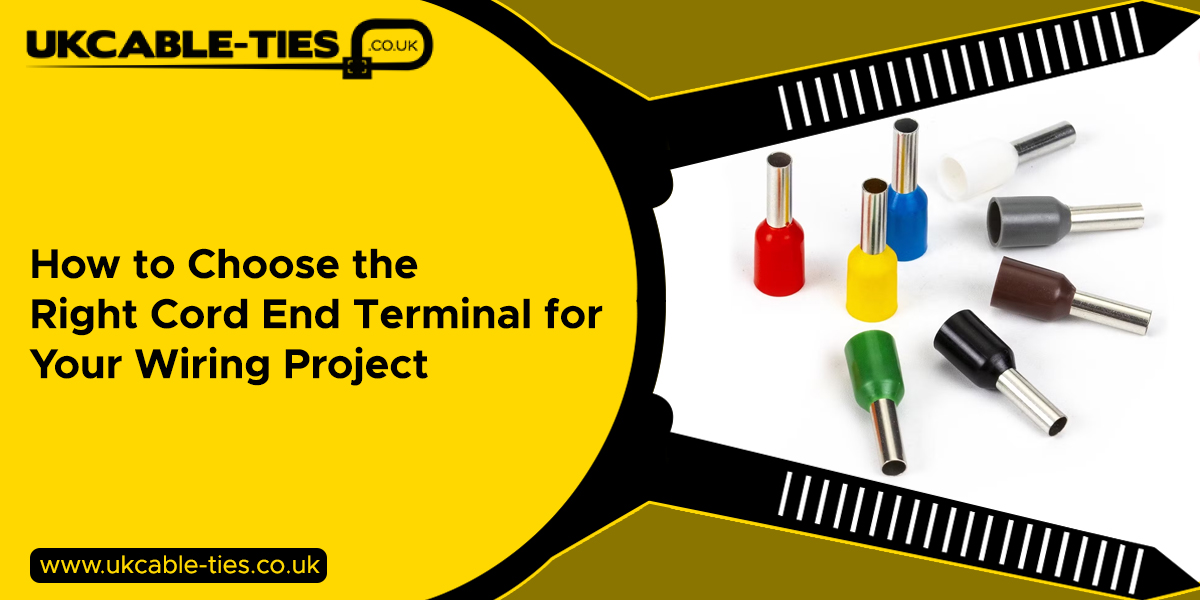
Cord end terminals, also known as bootlace ferrules, are small metal tubes with a color-coded plastic collar that fits over the stripped end of a stranded wire. These terminals ensure a secure, vibration-resistant connection when wires are inserted into terminal blocks or connectors. Their purpose is to prevent wire fraying, improve conductivity, and ensure safe, long-lasting electrical connections.
Why Using the Right Cord End Terminal Matters:
Using the right cord end terminal ensures:
● Improved electrical conductivity
● Mechanical protection for the wire strands
● Compliance with electrical standards
● Ease of installation
● Reduced risk of short circuits or electrical faults Failing to choose the appropriate size and type can lead to poor electrical performance or even system failures. So, how do you know which one is right for your project?
Understanding Cord End Terminal Color Codes:
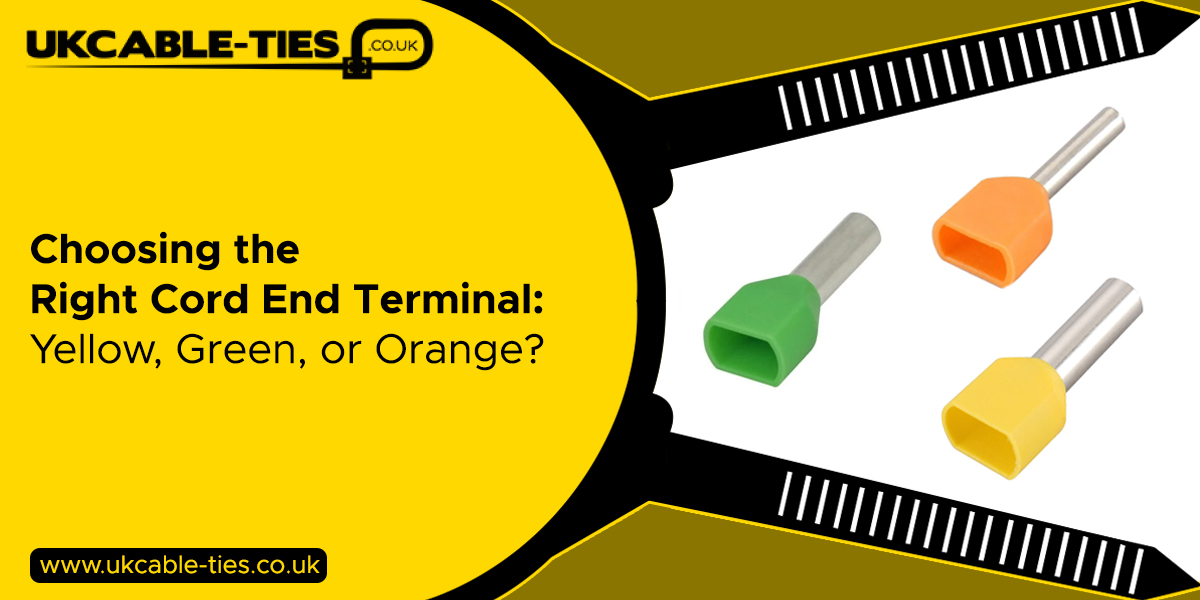
Cord end terminals come in different colors, which correspond to specific wire sizes or cross-sectional areas (CSA) based on international standards (like DIN 46228). Among the most commonly used are:
● Red Cord End Terminals – Typically for wires with cross-sectional areas of 0.5–1.0 mm².
● Yellow Cord End Terminals – Designed for wires of 3.0–6.0 mm².
● Orange Cord End Terminals – Suitable for wire sizes around 2.5 mm². These color codes are crucial for selecting the right terminal, especially when you are managing multiple wires or working in a high-compliance environment such as industrial automation or control panels.
Choosing the Right Cord End Terminal: Step-by-Step Guide:
1. Determine the Wire Size:
Start by identifying the cross-sectional area of the wire you’re working with. This is usually denoted in square millimeters (mm²). You can find this information from the wire insulation label or by measuring the wire strands manually using a wire gauge.
● Use Red Cord End Terminals for small wiring jobs such as signal wires or control circuits.
● Use Orange Cord End Terminals for medium-sized wires used in lighting circuits or power relays.
● Use Yellow Cord End Terminals for thicker power cables often found in motor wiring or high-load circuits.
2. Evaluate the Type of Wire:
Cord end terminals are primarily used for stranded wires. If you’re working with solid core wires, a terminal may not be necessary. However, for stranded wires, especially those that are frequently moved or subject to vibration, cord end terminals provide an extra layer of security.
3. Check the Number of Wires Being Inserted:
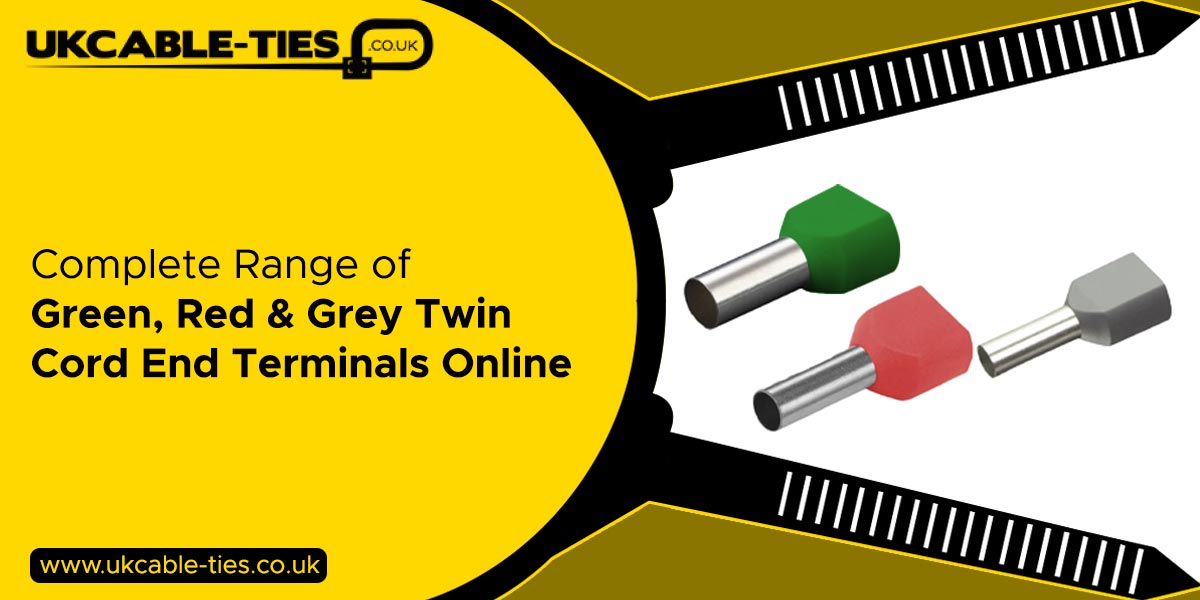
If you're inserting two wires into the same terminal block, consider using twin cord end terminals that are designed to accommodate two wires while maintaining a clean connection. This helps avoid loose strands and ensures a neater installation.
4. Choose the Correct Length:
The length of the metal ferrule should match or slightly exceed the length of the stripped wire. If the ferrule is too short, not all wire strands will be secured; if it’s too long, it may not fit properly into the connector.
5. Match with the Terminal Block:
Ensure that the terminal fits comfortably into the terminal block or connector slot. Oversized or undersized terminals can create poor contact and electrical resistance, which may lead to overheating.
Application Areas for Red, Yellow, and Orange Cord End Terminals:
🔴 Red Cord End Terminals:
● Best suited for light-duty control systems
● Ideal for automotive wiring and low-voltage applications
● Used in circuit boards and signal wiring
● Easy to crimp and cost-effective
🟠 Orange Cord End Terminals:
● Suitable for moderate current applications
● Frequently used in lighting circuits, HVAC units, and small machinery
● Ideal for intermediate control panel wiring
🟡 Yellow Cord End Terminals:
● Preferred for high-load circuits and power applications
● Used in industrial motor control systems
● Reliable for large gauge wires and thick cable assemblies
How to Properly Install Cord End Terminals:
Using cord end terminals is simple if you follow these steps:
1. Strip the Wire: Remove the insulation without damaging the wire strands.
2. Insert into Terminal: Slide the stripped wire into the metal tube of the terminal.
3. Crimp with the Right Tool: Use a ratcheting ferrule crimper or the correct die size to compress the terminal onto the wire.
4. Insert into Connector Block: Secure the terminal into the terminal block or connector. Always use a quality crimping tool for secure connections. Poor crimping leads to loose wires, which can be hazardous.
Common Mistakes to Avoid:
● Choosing the wrong size terminal – This leads to poor connectivity.
● Using cord end terminals with solid wires – They're designed for stranded wires.
● Improper crimping tools – Always use the designated crimping tool for ferrules.
● Skipping terminal usage – Never insert bare stranded wires directly into terminal blocks; use a terminal to avoid fraying.
Why Buy Cord End Terminals from UK Cable Ties?
At UK Cable Ties, we provide a comprehensive selection of high-quality cord end terminals, including:
● Red Cord End Terminals for precision control wiring
● Orange Cord End Terminals for versatile mid-range applications
● Yellow Cord End Terminals for heavy-duty industrial use All our products are made to meet international standards and offer superior electrical performance and mechanical durability. Whether you are a professional electrician or a project engineer, our color-coded cord end terminals ensure you get the job done right—every time.
Final Thoughts:
Choosing the right cord end terminal doesn’t have to be complicated. By understanding wire sizes, application needs, and color codes, you can significantly improve the quality and safety of your electrical installations. Whether you're using Red Cord End Terminals for a control panel, Orange Cord End Terminals for general use, or Yellow Cord End Terminals for high-load power connections, UK Cable Ties has the right solution for your project.
Need help selecting the right terminal?
Contact the UK Cable Ties team today—we’re here to guide you with expert advice and fast delivery!


The imported automation equipment ensures that every process is consistent and Wholesale Cord End Terminals Manufacturers perfect Cord End Terminals.
In this way, the reliability, safety, and appearance of our electrical connectors is greatly improved.
our company established an Wholesale Copper Tubular Lugs Manufacturers independent UL laboratory in 2015, which enables KF to obtain timely and effective data, and in turn, delivering satisfactory results in regards to both the technical verification in product development and the regular quality inspection of manufactured Cord End Terminals for sale.