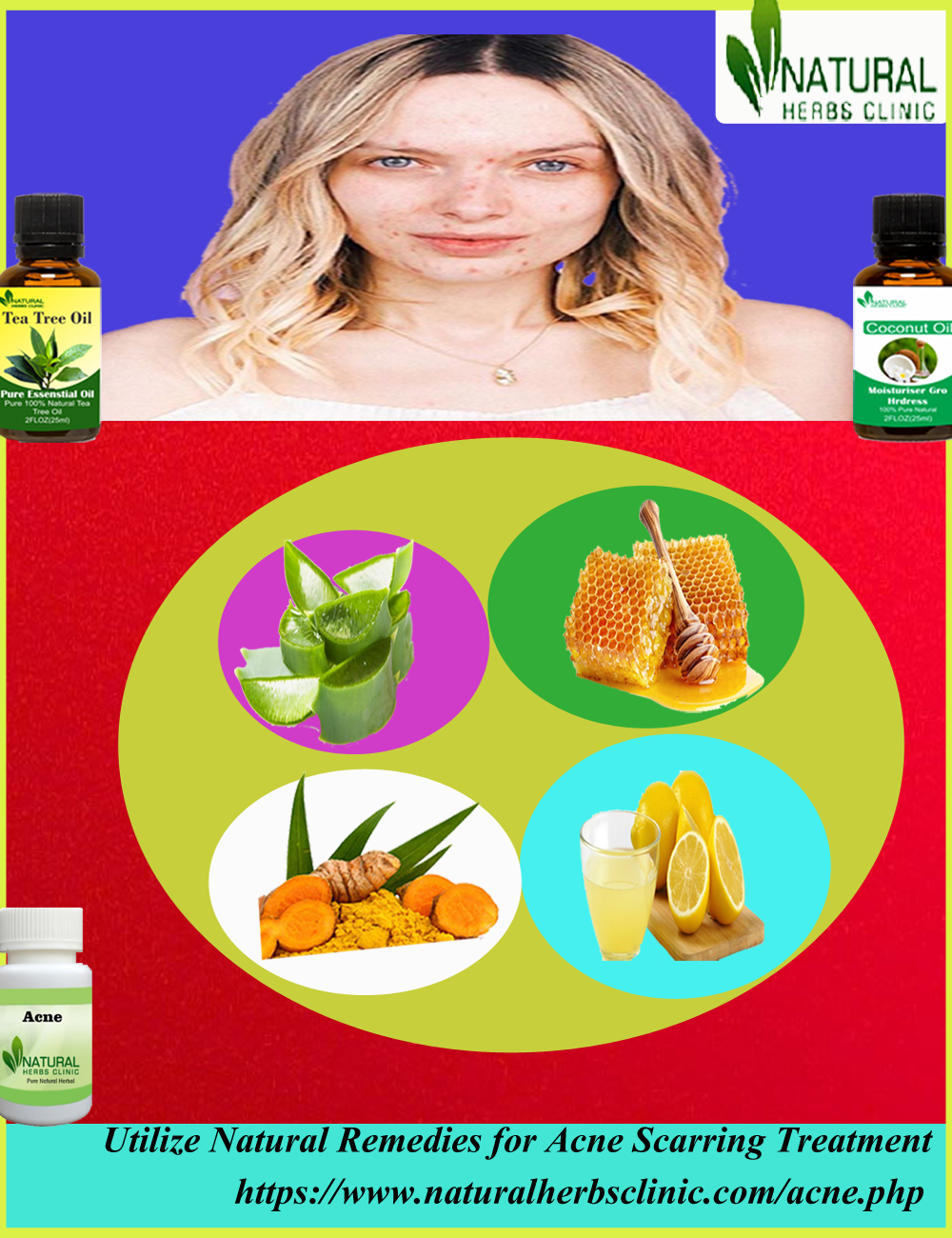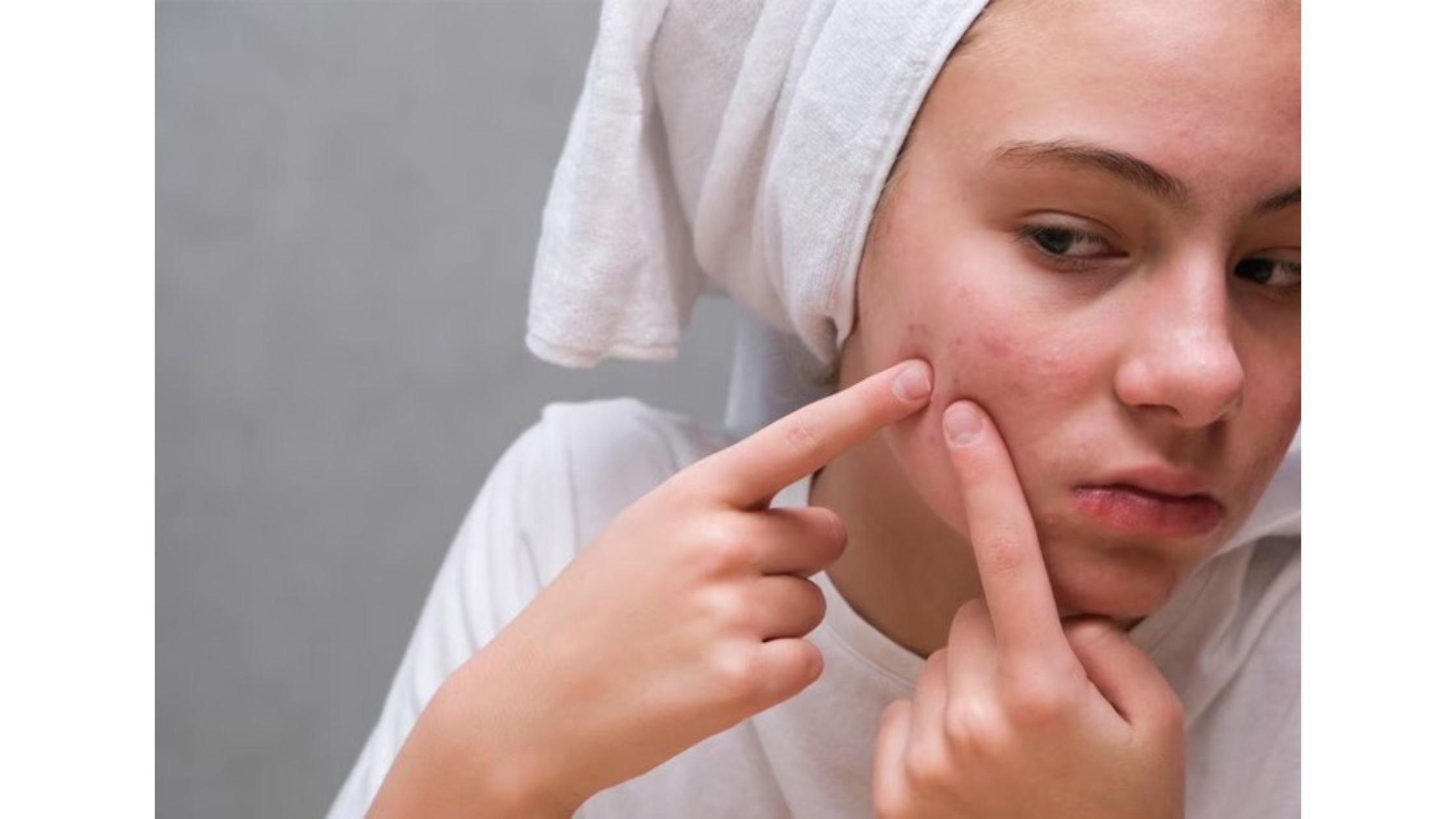
Acne is more than just a teenage problem. It can hit adults, too, sometimes stubbornly and without warning. While creams, antibiotics, and medicated treatments have their place, many are now turning their attention to what’s happening inside the body. Could the foods we eat and the habits we follow actually play a major role in managing acne? The short answer is yes, and in fact, diet and lifestyle adjustments may serve as a natural acne treatment with long-lasting effects.
The Gut-Skin Connection: You Are What You Eat
There’s growing evidence that what goes into your gut can show up on your face. Poor digestion, food intolerances, and imbalances in gut bacteria can lead to inflammation that triggers breakouts. Processed foods, high-sugar snacks, and dairy are some of the most common dietary culprits. These items spike insulin levels and may stimulate oil glands, clogging pores and worsening acne.
On the flip side, whole foods such as leafy greens, fatty fish, berries, and nuts are loaded with antioxidants and anti-inflammatory properties. Omega-3 fatty acids, for example, can reduce inflammation, which is the root cause of acne. Swapping soda for water or herbal teas also supports clearer skin by flushing out toxins and keeping you hydrated.
Blood Sugar Matters More Than You Think
Ever notice breakouts after indulging in sweets or greasy takeout? That’s not a coincidence. Foods with a high glycemic index, like white bread, pastries, and sugary cereals, cause a spike in blood sugar levels. This can increase sebum production and create the perfect environment for acne-causing bacteria to thrive.
To prevent this, stick with foods that have a low glycemic load. Think quinoa, sweet potatoes, lentils, and non-starchy vegetables. These not only keep your energy steady but also reduce the chances of skin flare-ups.
Hormonal Balance Through Diet and Routine
Hormones play a huge role in acne, especially for women. Fluctuations around menstrual cycles, pregnancy, or menopause can cause oil glands to go into overdrive. Fortunately, certain lifestyle habits can help balance these hormonal shifts.
A diet rich in fiber helps regulate blood sugar and supports hormonal balance. Avoiding excess caffeine and alcohol can also keep hormones in check. Regular exercise boosts circulation, improves sleep, and reduces cortisol, the stress hormone known to trigger breakouts.
Sleep and Stress: Two Major Influencers
Your skin reflects your internal well-being. Chronic stress can ramp up inflammation and send oil production into overdrive. Poor sleep only adds fuel to the fire by interfering with the body's natural repair cycle.
Mindfulness practices like yoga, meditation, and even simple deep breathing can do wonders. Getting at least 7–8 hours of quality sleep each night allows your body (and skin) the time it needs to heal. These aren’t just good habits, they’re essential parts of a natural acne treatment approach that treats the problem at its source.
Skincare Starts in the Kitchen
You can’t rely on a face wash to do all the heavy lifting. Beauty products might help with symptoms, but true skin health starts with nourishment. Zinc, vitamin A, probiotics, and antioxidants are skin-supporting nutrients often found in clean, colorful diets.
Fermented foods like kimchi, kefir, and sauerkraut offer natural probiotics that can improve gut health and, by extension, your skin. Turmeric, known for its anti-inflammatory effects, can be added to smoothies or meals as a bonus skin booster.
It’s worth noting that these habits are not just good for acne. Many also benefit those dealing with skin issues like eczema. For example, reducing inflammatory foods and using eczema treatment natural remedies such as omega-3 oils or calendula creams can soothe irritation from the inside out.
When to See a Professional?
While lifestyle changes can lead to major improvements, they aren’t a one-size-fits-all solution. Some people may have underlying conditions like PCOS or food allergies that require medical diagnosis. If acne persists despite making solid changes, consulting a dermatologist or nutritionist can help identify deeper issues.
It’s also possible to combine dietary strategies with other options, including topical treatments or medications, for a comprehensive plan that works with your body, not against it.
Final Thoughts: A Holistic Way to Clearer Skin
So, can diet and lifestyle changes be considered a natural acne treatment? Absolutely. While they may not offer overnight results, they do get to the root of the problem. Shifting what you eat, how you move, and how you manage stress can create meaningful, long-term changes in your skin’s health.
Plus, these habits do more than just clear up acne, they support your whole body. From gut health to mental wellness, the benefits are wide-reaching. Whether you're battling breakouts or looking for eczema treatment natural remedies, the journey toward healthier skin may just start with your next meal.
Let your skin reflect the care you give to your entire body. Simple changes can go a long way, and sometimes, nature really does know best.
Herbal Treatment for Eczema read the Symptoms and Causes.
Natural Remedies for Eczema that help moisturize the skin.
Supplement help to manage it.https://www.naturalherbsclinic.com/product/eczema/
Herbal Treatment for Eczema read the Symptoms and Causes.
Natural Remedies for Eczema that help moisturize the skin.
Supplement help to manage it.