


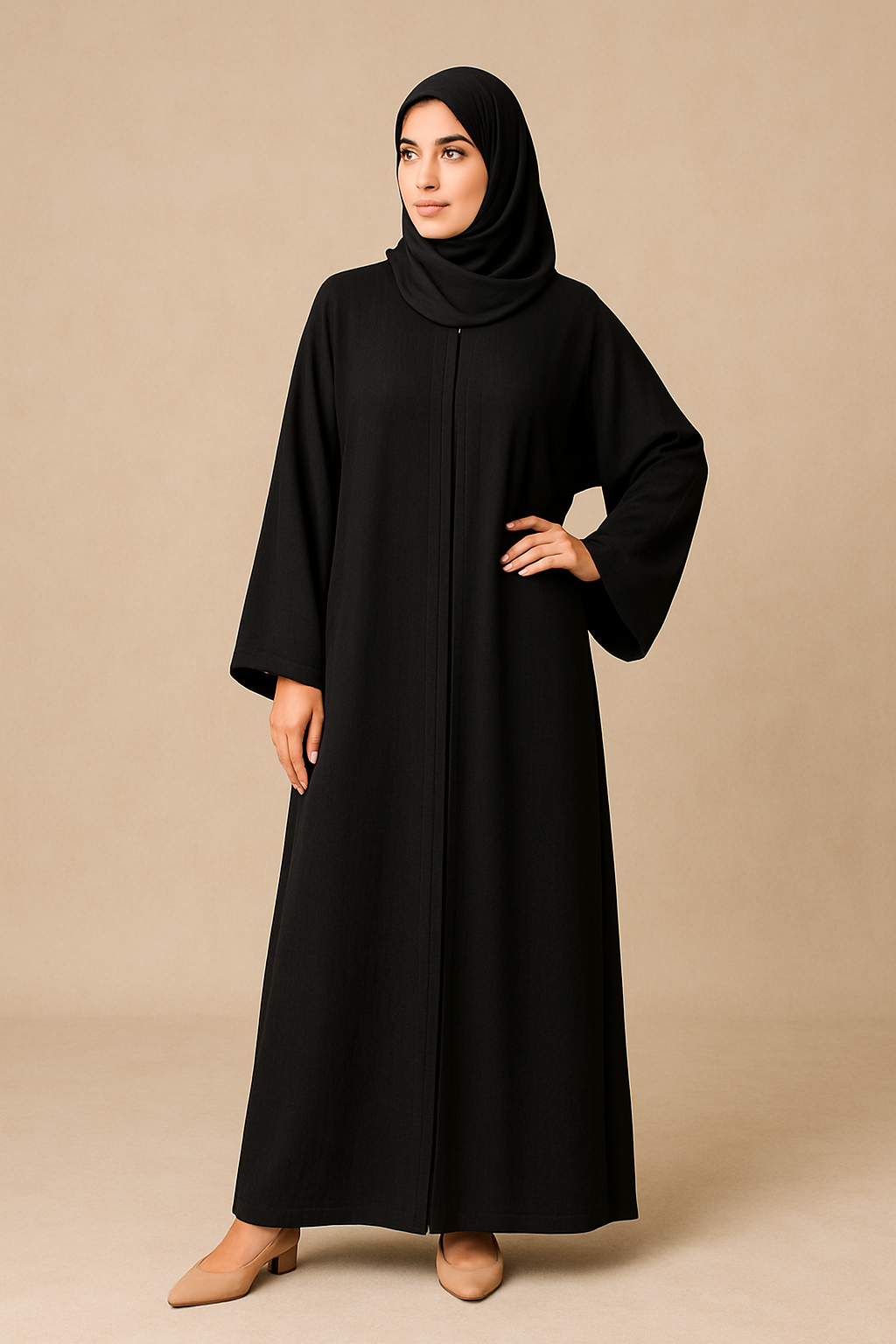
Abayas: A Timeless Garment in Cultural Context
The abaya, a traditional garment deeply rooted in Middle Eastern culture, has long been a symbol of modesty and elegance. Its origins can be traced back to ancient times when it was worn as a loose-fitting robe by women, primarily in Arab countries. Traditionally, the abaya is crafted from black fabric, designed to cover the entire body except for the face, hands, and feet. This garment has played a significant role in cultural identity, reflecting values of modesty and respect. The abaya's significance extends beyond its physical form, representing a deep connection to cultural heritage and religious beliefs. It serves as a visual representation of cultural values, often embodying a sense of community and belonging among those who wear it. This timeless garment has transcended generations, maintaining its relevance in an ever-changing world.
Evolution of Abayas: Transitioning from Tradition to Modernity
The transformation of the abaya from a purely traditional garment to a modern fashion statement is a testament to the dynamic nature of cultural attire. Over the years, designers have reimagined the abaya, incorporating contemporary elements while respecting its cultural significance. Today, abayas are available in a variety of colors, fabrics, and styles, featuring intricate embroidery, embellishments, and innovative cuts. This evolution reflects the desire to balance cultural heritage with modern aesthetics, allowing women to express their individuality while honoring tradition. The modern abaya is a canvas for creativity, with designers exploring new possibilities in design and fabric selection. This transition from tradition to modernity has opened up new avenues for cultural expression, enabling women to showcase their unique style while staying connected to their roots.
Abayas in the Contemporary Fashion Landscape: A Global Perspective
In the contemporary fashion landscape, the abaya has emerged as a versatile garment, embraced by women across the globe. Fashion designers have recognized its potential to transcend cultural boundaries, incorporating it into their collections as a symbol of elegance and sophistication. The modern abaya is not only a staple in Middle Eastern fashion but also a source of inspiration for global fashion trends. Its adaptability allows it to be worn in various settings, from formal occasions to casual outings, showcasing its universal appeal. The abaya's presence in international fashion events and runways highlights its role as a cultural ambassador, bridging the gap between different fashion traditions. This global perspective has contributed to the abaya's status as a fashion icon, celebrated for its elegance and versatility.
Maintaining Cultural Roots: The Essence of Abayas in Tradition
Despite its modernization, the abaya continues to hold cultural significance, representing the values and traditions of the communities that have cherished it for centuries. For many women, wearing an abaya is an expression of cultural pride and identity, connecting them to their heritage. Designers strive to preserve this essence by respecting traditional elements while introducing innovative designs. This delicate balance between tradition and modernity ensures that the abaya remains a meaningful garment, cherished by those who wear it. The essence of the abaya lies in its ability to adapt to changing times while remaining true to its cultural origins. This commitment to cultural preservation is evident in the careful craftsmanship and attention to detail that characterize traditional abayas, reflecting the rich history and artistry of the regions where they originated.
Embracing Modern Aesthetics: The New Era of Abayas and Fashion Innovation
The new era of abayas is characterized by a fusion of traditional and modern aesthetics, offering women a diverse range of options to suit their personal style. Designers are experimenting with bold colors, luxurious fabrics, and avant-garde designs, creating abayas that are both fashionable and functional. This evolution reflects the changing preferences of women who seek garments that align with contemporary fashion trends while honoring their cultural roots. The modern abaya is a celebration of diversity, allowing women to express their individuality without compromising on tradition. This embrace of modern aesthetics has led to a renaissance in abaya design, with innovative approaches to fabric technology and sustainable practices shaping the future of this iconic garment.
The Global Appeal of Abayas: A Fashion Phenomenon Across Cultures
The global appeal of abayas is a testament to their versatility and timeless elegance. As fashion becomes increasingly inclusive, the abaya has found its place in wardrobes around the world, appreciated for its ability to adapt to various cultural contexts. Influential fashion icons and celebrities have embraced the abaya, showcasing its beauty and sophistication on international platforms. This widespread acceptance highlights the abaya's role as a bridge between tradition and modern style, uniting women across cultures through a shared appreciation for its elegance. The abaya's global appeal is further enhanced by its ability to resonate with diverse audiences, offering a unique blend of cultural significance and contemporary style that transcends geographical boundaries.
Abayas as a Symbol of Empowerment: Cultural Expression and Identity
In addition to their aesthetic appeal, abayas have become a symbol of empowerment for many women. By choosing to wear an abaya, women assert their right to express their cultural identity while embracing modern fashion trends. The abaya empowers women to navigate different cultural landscapes with confidence, allowing them to make a statement about their values and beliefs. This empowerment is reflected in the growing number of women who choose to wear abayas as a form of self-expression and cultural pride. The abaya's role as a symbol of empowerment is rooted in its ability to provide a sense of agency and autonomy, enabling women to define their own narratives and challenge societal norms through fashion.
The Future of Abayas: Innovation and Tradition in Harmony
The future of abayas is bright, with designers continuing to innovate while respecting the garment's cultural heritage. As fashion evolves, the abaya is likely to witness further transformations, incorporating new materials, technologies, and design elements. However, the essence of the abaya as a symbol of modesty and cultural identity will remain intact. The ongoing dialogue between tradition and modernity ensures that the abaya will continue to be a cherished garment, representing the values and aspirations of women around the world. This harmonious blend of innovation and tradition is shaping the future of abayas, paving the way for new interpretations and creative expressions that honor the garment's rich history while embracing contemporary influences.
Conclusion: Abayas as a Cultural and Fashion Icon Bridging Eras
In conclusion, the abaya stands as a cultural and fashion icon, bridging the gap between tradition and modern style. Its evolution reflects the dynamic nature of fashion, adapting to contemporary trends while preserving its cultural roots. As the abaya continues to inspire designers and captivate women globally, it remains a testament to the power of fashion as a form of cultural expression. The abaya's journey from a traditional garment to a modern fashion statement is a celebration of diversity, empowerment, and elegance, uniting women across cultures in a shared appreciation for its timeless beauty. This enduring legacy of the abaya underscores its significance as a symbol of cultural resilience and innovation, embodying the spirit of a garment that transcends time and place.
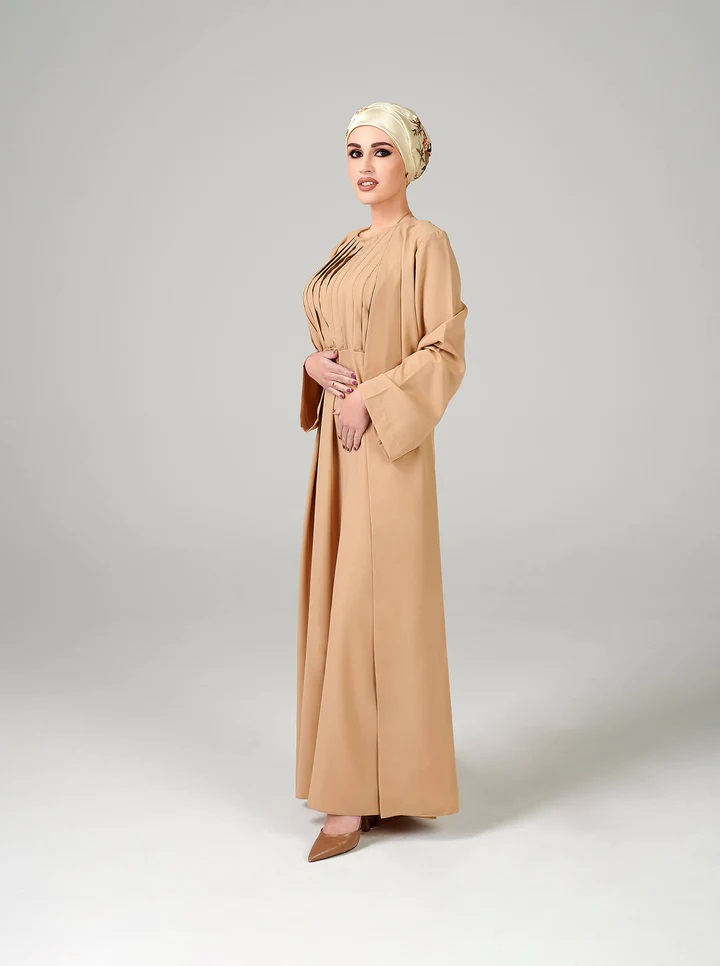

Online mohabbat abaya boutique is among the best abaya shop options online.
Women who are looking different abaya designs like white abayas, kids abayas, hijab, pardha, burqa to complete their look can visit our online abaya boutique.
Buy Modern Abayas in Dubai at mohabbat abayas.
Explore wide range of cheap Abayas design in Dubai.
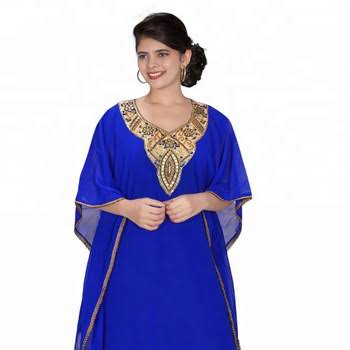
Modest Fashion 2018 - The Modest Fashion Trends for Every Woman Welcome to – heraclosetInspirational Fashion Tips and advice for women via heracloset blogThe modest fashion, now a day, is not limited to certain people rather it has turned more and more into buzz world.
It is a matter of choice, preference and personal style that counts more than anything while adopting some trends that are generally labeled as ‘modest only’.
The modern fashion world has made the vision of fashion limitless and given due to space to all kinds of fashion ideas including modest clothing.Almost all of the luxury brands and top fashion designers of the world are taking note of modest fashion and we could see the stunning hijab wearing models atMilan Fashion Week showcasing the creations of Alberta Ferretti and Max Mara.
From Dolce & Gabbana’s most recent luxury hijab and abaya collection to Alterier Versace’s newest range of head-turning modest fashion designs, world is visibly taking inspiration from modest fashion styles.Here we share some of the most stunning modest fashion trends that almost every woman can adopt, whenever she wants to look trendy but not too flashy.Layering in the Personal Style:One of the hottest and runway approved fashion trend is layering over layers.
The modern fashionistas like to layer the trendy top with several clothing items such as unbuttoned shirt, jackets, coats and trench coats to achieve a look that is stunning in a personal style and makes you step out of the crowd effortlessly.
The key concept is to layer according to the sizes, fabric and color palette of the clothing items for making a perfect head turning combo.Stylish Modest Dresses:According to fashion experts, the modest fashion articles have been created mainly for the women who are religious and want to look stylish while being in the limits of religious norms.