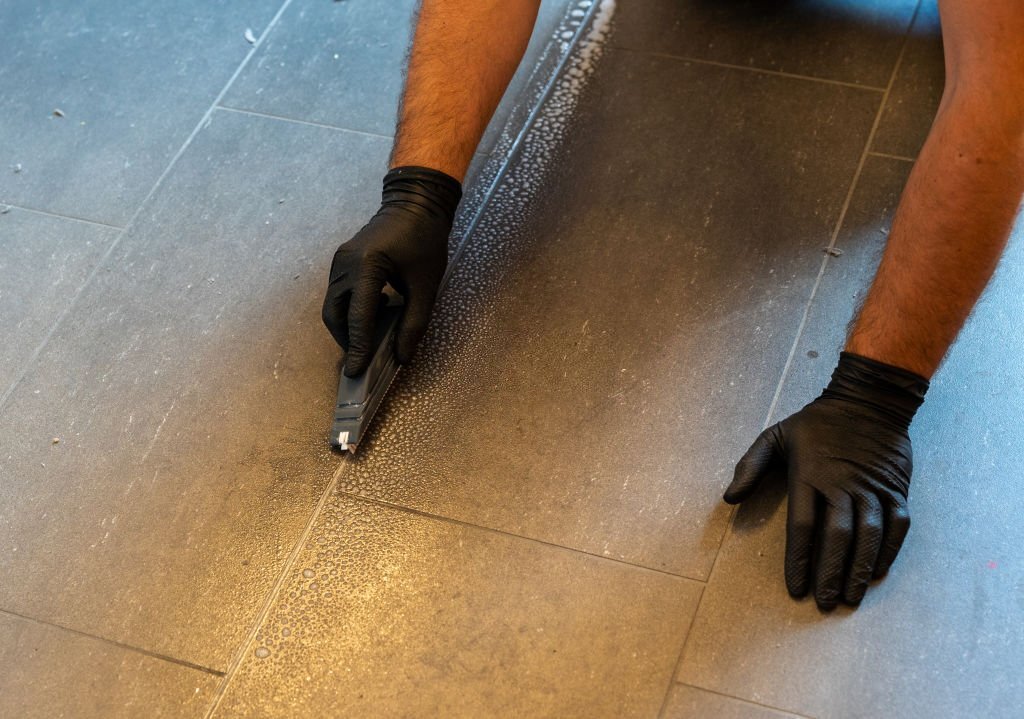



Why Stone, Tile, and Grout Cleaning Matters
Stone tile and grout cleaning are typically sealed to resist moisture and staining, but regular foot traffic, spills, and humidity can still cause buildup over time. Grout, which is porous and typically lighter in color, is especially vulnerable to absorbing dirt, mold, mildew, and bacteria. Without proper cleaning, these surfaces can become breeding grounds for germs and may deteriorate faster.
Here’s why regular stone, tile, and grout cleaning is essential:
Maintains the natural beauty of surfaces
Prevents bacteria and mold growth
Extends the life of your flooring or walls
Reduces allergens and improves indoor air quality
Preserves home value and appeal
Common Issues with Tile and Grout
Even if your tile surface looks clean, the grout lines in between often tell a different story. Grout is the most absorbent part of the installation and easily traps dirt and moisture.
Some common problems include:
Discoloration – Grout often turns gray or black over time due to dirt and spills.
Mold and Mildew – Common in moist areas like bathrooms or kitchens.
Cracking or Erosion – Resulting from prolonged exposure to moisture and lack of sealing.
Dull Tiles – Soap scum, hard water deposits, and grime can make tile lose its shine.
Efflorescence – A white, powdery residue that appears on tiles due to mineral buildup.
Types of Stone and Tile
Different materials require different approaches. Here are some common types and what makes them unique:
Ceramic and Porcelain Tile – Durable and water-resistant but prone to grout discoloration.
Marble and Granite – Natural stones that require gentle, pH-neutral cleaners to prevent etching.
Slate and Travertine – Porous stones that absorb moisture and must be sealed regularly.
Limestone – Delicate and prone to scratching and staining.
Terracotta and Saltillo – Rustic and beautiful but highly porous and hard to maintain without sealing.
Always identify your material before choosing a cleaning method.
Cleaning Methods for Stone, Tile, and Grout
Regular Maintenance
Sweeping or vacuuming regularly helps prevent debris from scratching the surface. Mopping with warm water and a neutral cleaner keeps tiles clean without damaging the finish.
Deep Cleaning
Deep cleaning involves scrubbing grout lines and lifting embedded dirt from tile or stone surfaces. You can use a soft brush or mop with a specially formulated tile and grout cleaner. Avoid bleach or acidic products, especially on natural stone, as they can cause permanent damage.
Steam Cleaning
Steam cleaners use high-pressure hot water vapor to loosen grime and kill bacteria. It’s effective for sanitizing grout lines without chemicals and is safe for most tiles. However, steam can damage unsealed stone, so caution is needed.
Grout Cleaning and Restoration
Grout cleaning is the most labor-intensive part. For stained or moldy grout, use a grout brush and a mixture of baking soda and water or a grout-specific cleaner. Rinse thoroughly. If the stains remain, professional grout color-sealing or re-grouting may be necessary.
Sealing
After cleaning, sealing is recommended to protect tile and grout. Sealers prevent water, dirt, and oils from penetrating the surface and make future cleaning easier. How often you should reseal depends on the type of material and its exposure to moisture—typically every 1 to 3 years.
DIY Cleaning Tips
Always test any cleaner on a small, hidden area first.
Use soft brushes or non-abrasive pads to avoid scratching the surface.
Avoid vinegar, ammonia, or bleach on natural stone.
For tough grout stains, mix baking soda and hydrogen peroxide into a paste and scrub gently.
Dry the surface after mopping to prevent water spots and mold growth.
When to Hire a Professional
While regular maintenance can keep your surfaces in decent shape, there are times when only a professional cleaning will do the job right:
Deep-set stains that won’t come out with regular cleaning
Mold and mildew that keeps returning
Dull or etched natural stone surfaces
Uneven tile or crumbling grout
Preparing a home for sale or post-construction cleaning
Professional services use commercial-grade tools and pH-balanced solutions. They can also apply sealants and perform minor repairs as part of the service, restoring surfaces to like-new condition.
How Often Should You Clean?
Light traffic areas: Every 6–12 months
High-traffic areas (kitchens, hallways): Every 3–6 months
Bathrooms and wet areas: Every 3 months
Sealing: Every 1–3 years, depending on material and use
Keeping a consistent schedule ensures your floors and walls stay fresh and protected.
Benefits of Stone, Tile, and Grout Cleaning
Revives the natural color and texture of tiles
Removes allergens, bacteria, and mold
Protects investment by extending the life of materials
Restores shine and aesthetic appeal
Improves slip resistance by removing residue
Final Thoughts
Stone, tile, and grout cleaning may not be glamorous, but it’s one of the most rewarding home maintenance tasks. Clean surfaces not only enhance the look of your space but also support a healthier environment for your family or employees. Whether you handle it yourself or call in the experts, regular professional cleaning service and sealing are the keys to preserving the beauty and durability of these valuable materials.