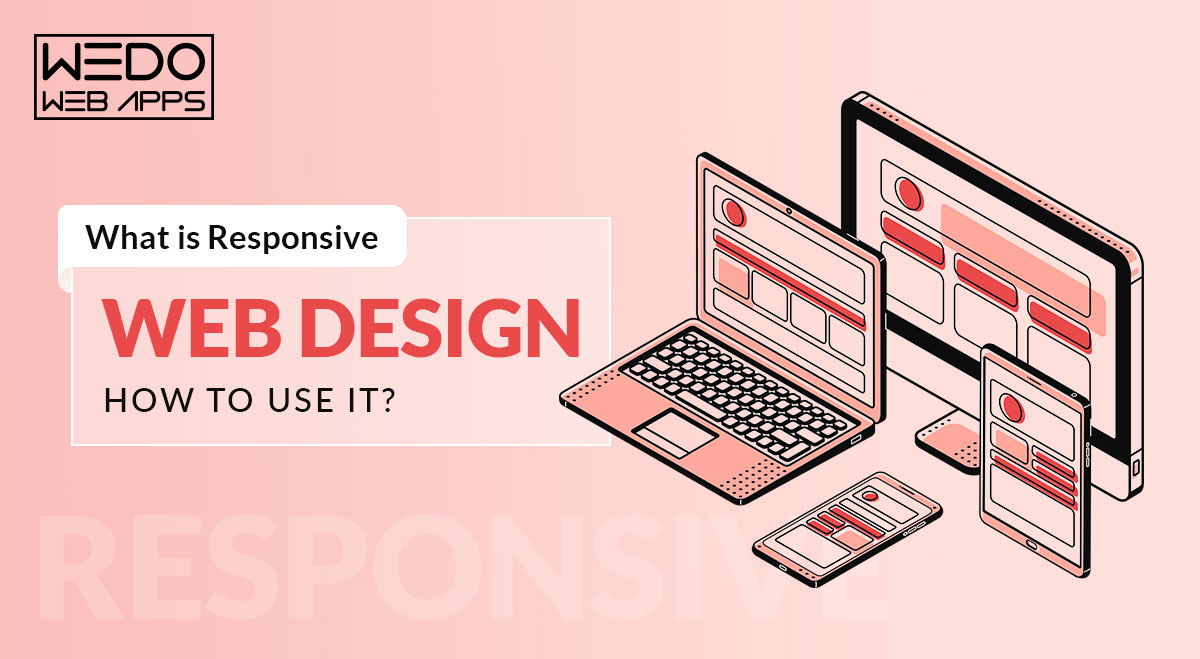



In today's digital landscape, users have more expectations than ever. Whether using a desktop computer, tablet, or smartphone, customers anticipate identical experiences across all devices. Having a website is no longer enough for businesses looking to succeed online. A responsive website is the real source of lead generation and revenue. While maintaining usability, functionality, and design coherence, this website fluidly adjusts to any screen size.
Responsive website design services do far more than make your site look good on mobile. They are an essential tool in optimizing user journeys, reducing bounce rates, increasing dwell time, and ultimately driving conversions. In this in-depth article, we'll explore exactly how responsive design services fuel conversion growth, why responsiveness is now a non-negotiable, and what key elements make a responsive website truly effective.
What Is Responsive Web Design?
At its core, responsive web design is a design approach that enables websites to adapt fluidly to different screen sizes and device orientations. Using flexible grids, CSS media queries, and scalable images, a responsive website ensures content is legible and user-friendly across desktops, laptops, tablets, and smartphones.
The goal is not just compatibility, but consistency—delivering a seamless user experience that minimizes friction and maximizes engagement, regardless of how the site is accessed.
The Link Between Responsive Design and Conversions
Let's break down how responsive design directly impacts conversions:
1. Frictionless User Experience Across Devices
When a visitor lands on a site and finds text cut off, buttons misaligned, or navigation menus impossible to use, frustration sets in instantly. Responsive websites eliminate this pain by ensuring the layout, content, and functionality adapt to the user's device. A friction-free experience keeps users engaged and naturally guides them toward conversion actions, such as signing up, making a purchase, or filling out a form.
2. Reduced Bounce Rates
According to data from Google, 53% of mobile users leave a website that takes more than three seconds to load. Even more will leave if the layout is clunky or the site appears broken. Responsive websites are optimized for performance, ensuring faster load times and intuitive layouts, particularly on mobile devices. This reduces bounce rates and keeps visitors moving down your funnel.
3. Improved SEO and Visibility
Google uses mobile-first indexing, which means the mobile version of your site is the primary version used for search ranking. Responsive websites meet Google's criteria for mobile usability, meaning they're more likely to rank higher in search results. Increased visibility brings more targeted traffic to your site—traffic that is already warm and conversion-ready.
4. Consistent Brand Experience
A responsive design ensures that your branding—colors, typography, imagery, and tone—remains consistent, regardless of the device your audience is using. This uniformity fosters trust and recognition, both of which are essential for nudging users toward conversion. A disjointed experience across devices can undermine credibility, particularly for eCommerce or service-based businesses.
5. Better Call-to-Action Placement
Services for responsive design take into account how people utilize devices. Buttons, links, and forms are sized and placed appropriately for finger taps and smaller screens. Clear, bold, and easily accessible calls-to-action (CTAs) significantly increase the chances that users will take the desired action without confusion or misclicks.
Real-World Scenarios: Responsive Design in Action
eCommerce Sites: A clothing retailer with a non-responsive site might lose mobile users due to hard-to-click product filters and slow load times. A responsive redesign introduces swipeable carousels, thumb-friendly menus, and lightning-fast product pages—leading to more completed checkouts.
Service-Based Businesses: For a law firm, a responsive site ensures that potential clients can access bios, contact forms, and location details quickly while on the move. Calls to action, such as "Book a Free Consultation," are easily found and acted upon on mobile, directly leading to more inquiries.
Local Restaurants: A restaurant with a responsive site benefits from users being able to view the menu, make reservations, or get directions in a couple of taps, even on a smartphone while commuting—resulting in more table bookings.
Key Features of High-Converting Responsive Websites
Responsive design isn't just about screen adaptability—it's about creating an experience that converts. Here are must-have features:
- Adaptive Navigation: Simplified menus that expand or collapse appropriately for mobile views.
- Thumb-Friendly Design: Interactive elements placed where fingers can easily reach them.
- Prioritized Content Hierarchy: Key messages and CTAs are prominently displayed early in the scroll, particularly on mobile devices.
- Optimized Forms: Forms that are easy to fill out on mobile, with larger input fields and auto-fill support.
- Performance Optimization: Lazy loading images, minified CSS/JS, and caching to improve speed.
- Touch-Enabled Elements: Swipe support for galleries, clickable phone numbers, and map integrations.
How Responsive Design Services Deliver Results
Professional responsive design services bring in specialized expertise to:
- Conduct device-specific UX audits
- Use mobile-first design frameworks
- Develop scalable HTML/CSS structures
- Test across browsers and breakpoints
- Integrate analytics to monitor mobile behaviors
Agencies that specialize in responsive web design don't just create pretty sites—they develop conversion-focused solutions that combine aesthetics with strategic UX.
Conclusion: Responsive Design = Better Conversions
In an era where mobile traffic often exceeds desktop traffic, businesses can no longer afford to treat responsive design as an add-on—it must be the foundation. Responsive website design services go beyond making your site mobile-friendly; they create an optimized, conversion-ready experience that adapts to users' needs in real-time.
Whether you're a local business, a global e-commerce brand, or a service provider, investing in responsive design translates to better engagement, more leads, and higher revenue. In short, responsive design drives conversions because it prioritizes the user—and the user always converts better when their experience is effortless.