

There has never been a time in history when work has demanded smarter systems and faster decisions. With hybrid teams, shifting labour laws, and rising employee expectations, organisations in 2025 need more than basic HR tools.
Workforce management software now matters if leaders want to plan, schedule, track, and engage staff at scale and with full visibility across locations and time zones.
This article highlights the top features shaping workforce management software this year. This will be a rich source of competitive insights for decision-makers as they seek systems that keep their operation efficient, compliant, and ahead of the curve.
Which Workforce Management Software Features Are Trending in 2025?
As we talk about workforce management systems in 2025, we can’t speak of innovation without factoring in the trends reshaping their role in modern business operations. Below are some shifts we couldn’t even have imagined just a few years ago.
AI-Powered Workforce Planning
AI and machine learning sit at the heart of 2025’s workforce planning. A simple example to point out in this discussion is with workforce scheduling software. Rather than depend on spreadsheets or fixed rules, new WFM platforms harness data to predict staffing needs, drawing on history, seasonality, and even outside signals like weather or local events.
Automation of employee scheduling allows businesses to cut costly overstaffing and dangerous understaffing while raising the bar for service quality.
Advanced Analytics & Reporting
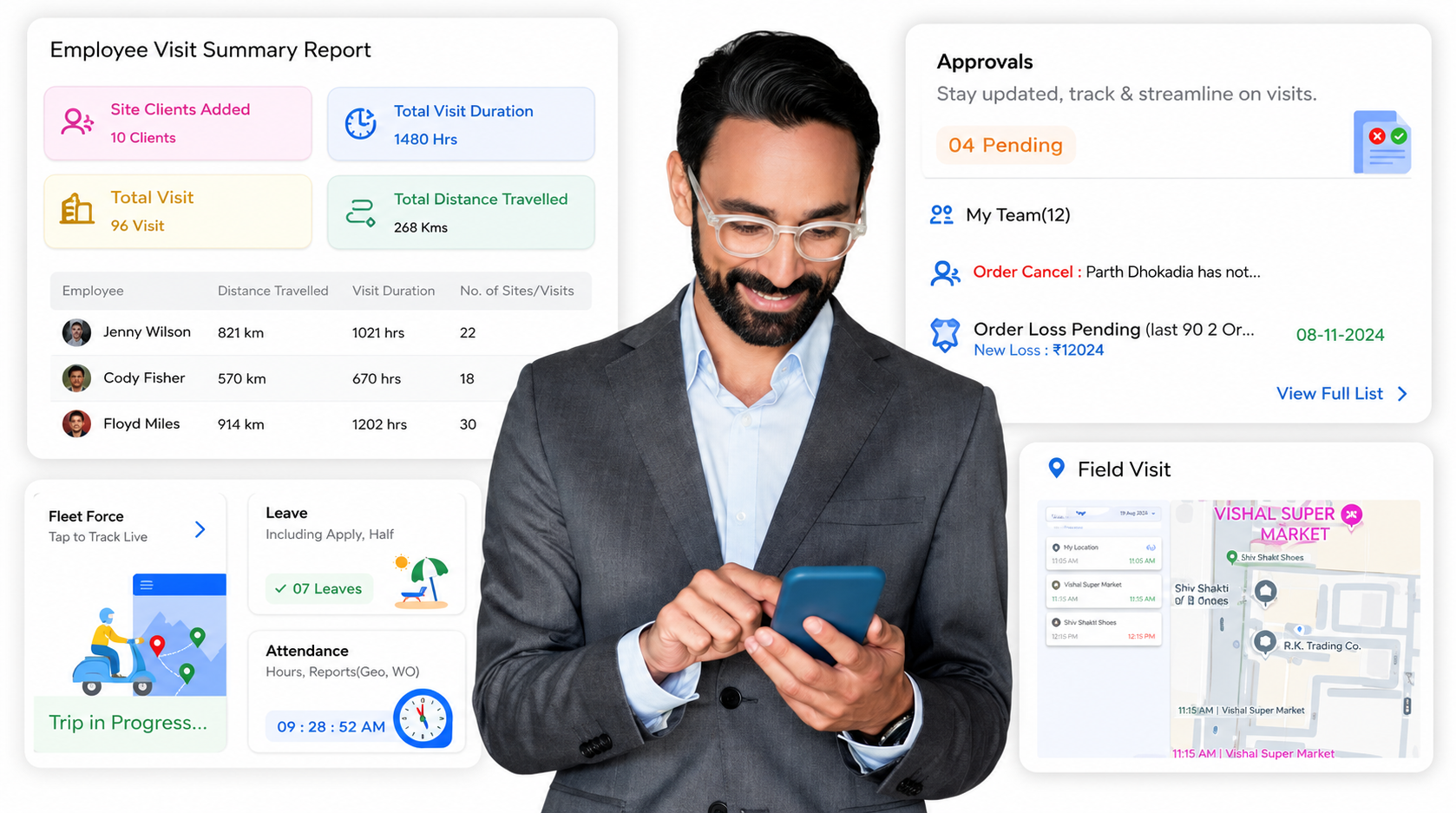
In 2025, businesses are relying on data to drive decisions. Data insights have moved from being the best practice in workforce management solutions to a bare minimum expectation. Live dashboards, on-demand custom reports, and predictive models are some contemporary features in this regard.
The logic behind this is very simple. When you have data to back your HR decisions and operations, you can act with more confidence, and there is no need to fly blind. Supervisors, for instance, can track absenteeism patterns, estimate future overtime bills, or gauge turnover risk by examining what happened in similar past seasons.
Smart Integration with Current HR Systems
Workforce management software is designed as a specialised bunch of digital instruments that operate within the broader HR ecosystem.
However, when you integrate workforce management tools into your daily business operations, you may discover valuable opportunities to connect these insights with your wider HR suite, since much of the data and analytics generated by workforce systems becomes significantly more strategic when transferred to comprehensive HR platforms for organisational planning and decision-making purposes.
Unaccompanied HR applications continue to hog time and introduce costly mistakes. The hallmark of 2025 workforce management software, therefore, is its fluent connection to the wider tech landscape: HRIS, payroll, ERP suites, and every clock-in device across a campus.
Enhanced Employee Experience Features
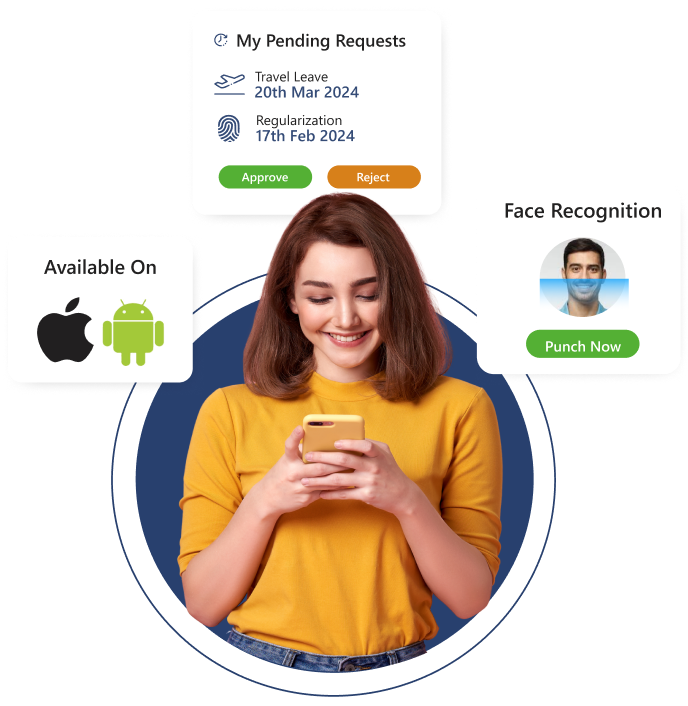
Contemporary workforce management software platforms prioritise employee experience at their forefront and centre. Options such as shift swapping, leave request and approval workflow in a few steps enable employees to take control of their time without going through HR for every small change.
At the end of the day, what matters for most employees is how their time is respected, how much autonomy they are given and how much control they feel about their time and responsibilities is more than how much they earn from their job.
Employee Self-Service & Mobile-First Design
Employees today expect their workforce management solutions to feel as intuitive as the apps they use at home, so mobile-first self-service is set to dominate 2025. Industry-leading WFM systems let staff swap shifts, request leave, review schedules, and clock hours straight from a smartphone.
For companies with large front-line or deskless populations, a mobile-enabled workforce management system is not merely a choice. It is a critical advantage to attract and keep talent.
Compliance & Regulatory Automation
Labour regulations seldom stand still. They evolve with changing workplace norms, economic shifts, or policy reforms. With the overlook of a single update, you are exposing an organisation to expensive fines.
In 2025, a common strength that we notice with many workforce management software platforms is their ability to handle most compliance tasks automatically, sharply cutting that risk.
Typical features include region-specific overtime and break-rule updates, adjustable policies for distinct worker categories, and records kept in an audit-ready format. On top of that, with timely alerts, managers can stay informed of new rules and keep their business compliant at every site.