


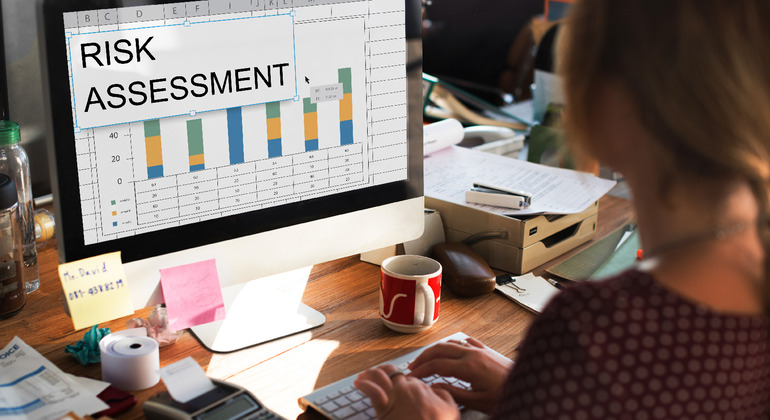
There is enough and more noise around strategies for building strong global value chains and resilient supply chains in the VUCA World. But have you had a bird-eye view of what crippled the global supply chains in recent years?
What Went Wrong: The Root Causes
These are some of the practices or behaviors of large conglomerates and economies that played a role:
Over-reliance on single sources/geographies - Concentration risk became a critical vulnerability
Lack of redundancy & buffers - Lean operations eliminated safety nets
Just-in-time (JIT) model fragility - Efficiency came at the cost of resilience
External shocks: pandemics, wars, climate - Black swan events exposed systemic weaknesses
Case Studies: Understanding the Deep Impact
Case Study 1 – COVID-19 Pandemic (2020–2022)
- Factory shutdowns globally brought production to a halt
- Logistics bottlenecks (port closures, container shortages) created unprecedented delays
- Massive chip shortages rippled through tech & automotive industries, exposing interconnected vulnerabilities
Case Study 2 – Ever Given Blocking Suez Canal (2021)
- 400 ships delayed, with approximately $9 billion in trade stuck per day
- 12% of global trade routed via Suez, highlighting dangerous geographic concentration
- Single point of failure paralyzed global commerce for days
Case Study 3 – Sri Lanka Economic Crisis (2022)
- Foreign exchange shortage halted imports across the board
- Critical shortages: no fuel, no fertilizer, no medicines
- Demonstrated how macroeconomic instability in one region can disrupt global networks
So, what can the Actors – Large Corporate Anchors playing the Lead and MSMEs playing a supporting role in the Supply Chains do, to anticipate and assess any risk coming their way? What kind of tools can we deploy for smooth and effective running?
PESTLE – CFOs ALLY
Understand and detail out Political, Economic, Social, Technological, Legal, Environmental factors that could be potential disruptors or growth factors. This framework is basic but impactful in detailing your Macro-environmental understanding supply chain risk assessment.
WHAT-IF SIMULATIONS
Test your supply chain response under different stress conditions - e.g., pandemic, port delays, canal blocks et all. Disruption and Growth modelling of supply chains can come handy when practiced well and can also enable supply chain heads and finance leaders take split-second decisions under pressure; keeping the human factor in mind - a lot like Sully!
RISK HEAT MAPS
Performance Managers, Finance Folks and Supply Chain Heads can identify and dodge the blind spots that are likely to disrupt the flow of goods across geographies. Heat Maps enable teams to visualize risks and prioritize mitigation strategies effectively.
SUPPLY CHAIN RELATIONS & VISIBILITY TOOLS
Anchors want to know who they are doing business with. How much is the utilization of working capital on each bank or financial institution. Which of the counterparties are most productive and which are not? An integrated dashboard act as a control tower for Finance, Procurement and Supply Chain Heads. Vayana’s Supply Chain Finance Dashboard enable this view to ensure, smooth flow accounts payable, accounts receivable and utilization ratios in every transaction, across every tier.
SUPPLY CHAIN RISK ASSESSMENT & MONITORING TOOLS
A B2B trade credit and supplier risk assessment and monitoring platform by Rubix Data Sciences leverages structured and unstructured data to generate risk scores for businesses of all sizes (including proprietorships and partnerships). Rubix ARMSTM helps corporates take well-informed trade credit decisions and select financially-sound and statutorily compliant vendors; it also helps banks and financial institutions make better lending decisions.
Additionally, Large corporates and Banks can also harness the power of Rubix EWS platform that provides early warnings about changes in the risk profile of customers and suppliers, based on latest statutory filings, litigation updates, credit rating upgrades/ downgrades, news, and media.
These platforms are ideal for Vendor Selection and Ongoing Risk Scoring and help supply chains stay buoyant in turbulent times.
All said and done, we now realise that Disruptions are no longer rare; they are recurring and more frequent than ever before. Winners – whether corporates or MSMEs will be those who adapt with agility and foresight. And so, the Future-ready supply chains will need to be more resilient, visible, well – equipped with tools, data and analytics.

Need some help with WHS training to support your remote and isolated workers?
There are some factors to consider when assessing the risks to health and safety of working alone.
Some solutions will be for the hazards and risks of the job and others will be related to working alone.
Read here for more details - https://www.sentrient.com.au/blog/working-alone-risk-assessment-checklist

The introduction of alternative data solutions has made it easier for individuals and businesses to receive digital loans.
Check out this blog to know more.