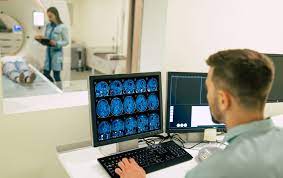
In a career path where you help doctors actually see what’s happening inside someone—no scalpel, no fuss. You're the behind-the-scenes hero making X-rays, CT scans, and MRIs reveal critical insights. Intrigued? Let’s dive into what a BSc in Radiology really looks like, career-wise, earning potential, and why CT University might just be your perfect launchpad.
BSc in Radiology Course Details
What you study:
You’ll learn how imaging machines work—the physics, the anatomy, the technology. Expect to touch X-ray, CT, MRI, ultrasound, radiation safety, and patient care basics.
Typical flow:
Year 1 is theory-heavy—foundational stuff. Year 2 includes anatomy, pathological imaging, and starting lab time. Year 3 ramps up to hands-on clinical postings and diagnostic procedures.
Course duration:
It’s a 3-year program, split into six semesters. By the end, you’re not just studying theory—you’re working with real doctors, real patients, real scenarios.
Where the magic happens:
Think labs full of imaging tools, hospital rotations from year two onward, and reports you actually write—no fluff, all substance.
That’s the BSc Radiology course duration and content in a nutshell—intensive, practical, and clinical from the get-go.
Career After BSc in Radiology
Here’s where it gets interesting. Once you’ve got your degree, here’s where you can apply yourself:
Radiologic Technologist/Radiographer:
Operate X-ray and CT machines, assist doctors, prep patients.
Ultrasound Sonographer:
Tech plus patient interaction—help with prenatal exams, diagnosing conditions.
CT/MRI Technician:
Focus on advanced scans—cross-sectional imaging experts.
Radiation Therapy Tech:
Assist in cancer treatment; precision is your middle name.
PACS Administrator:
Manage digital image records; it's the IT-side of radiology.
Field Support Specialist:
Work for equipment manufacturers, support clinics, upgrade machines.
Academic/Lab Instructor:
Teach future radiologists, manage labs, or support training programs.
Many students then specialize—some go for advanced scans or head overseas for tech-centered roles in diagnostic centers.
Salary After BSc in Radiology
This is the part everyone thinks about—you know, salary after BSc in radiology.
Entry-Level (0–2 years):
₹2.5 - 4 Lakhs per annum.
Mid-Level (2–5 years):
₹4–7 LPA (often as CT/MRI or diagnostic specialists).
Experienced/Senior (5+ years):
₹7–12+ LPA (think departmental leads, teleradiology, overseas roles).
Plus, there’s often allowances, shift bonuses, and additional perks if you work in private diagnostic centers or abroad.
Let me tell you within 2–3 years of real world experience, you can easily cross ₹6 LPA, especially when you take initiative, specialize, or pick up additional certifications.
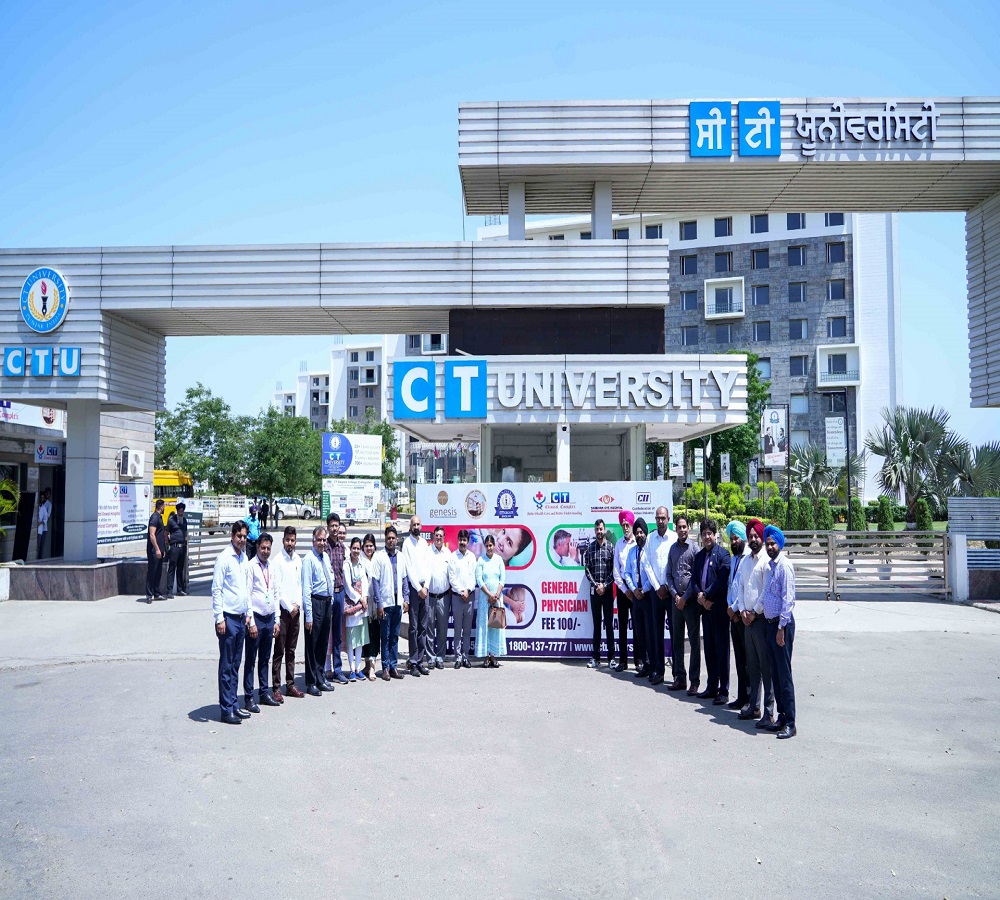
Why Choose CT University’s BSc Radiology & Imaging Tech?
If you want a BSc in radiology course that means work-ready not just degree-holder CT University has built a solid program:
- Modern labs and lots of hospital tie-ups from year two onwards
- Experienced faculty who’ve worked with CT scanners and real patient care
- Curriculum aligned with global standards (hence accelerated learning)
- Year 3 is entirely clinically-focused—real settings, real scans, real skills
- Placement support—helping you land your first job before you graduate
- That mix of hands-on training plus career support is rare especially in a 3-year Honours degree.
Ready-Made Career Path at CTU
Here’s how your journey could flow:
- Year 1: Explore basics—physics, anatomy, imaging principles
- Year 2: Hands-on training—operate machines, begin hospital rotations
- Year 3: Full-time clinical posting—diagnose, assist, report
- Internship: Pre-placement clinical rotation at partner hospitals
- Placement: CTU's team helps with resumes, interviews, and job matching
- Job-ready by graduation: Walk out with skills and a real offer
No waiting, no gap—it’s designed to take you from classroom to clinic seamlessly.
Career After Diploma & Degree: Which Way to Go?
You could ask: “Why CTU’s degree vs. a diploma?”
Diploma in radiology might be 1–2 years—but often lacks hospital tie-ups and placement support.
The BSc degree not only gives deeper knowledge but also global credibility. It's also eligible for MSc programs, academic roles, or international licensing.
In CTU’s case, the Honours structure + clinical training dramatically improves your career after BSc in radiology, making your first job more meaningful, assured, and locally relevant.
Real-Life Graduates Who Made It Work
- Lakshmi graduated and worked as a CT technician. In two years, she led the imaging team at a diagnostic center earning ₹6.5 LPA.
- Rahul started at a small clinic at ₹3 LPA. After additional MRI-focused training, he’s now earning ₹7.5 LPA in a city hospital.
- Neha did her internships at CTU-affiliated hospitals, and by graduation, she had a full-time radiation therapy tech job lined up.
These aren’t just success stories, they're typical outcomes for students serious about their craft.
How to Pick the Right Program
If you're evaluating BSc radiology course details from multiple colleges, consider:
- Clinical exposure—when do labs start? Real hospitals?
- Equipment variety—do they have CT, MRI, X-ray, Ultrasound?
- Placement record—what kind of hospitals recruit?
- Faculty background—are they experienced radiologic experts?
- Accreditation & quality—national and international standards?
For CT University, early hospital rotations, strong faculty, and robust job support make it stand out.
Final Takeaway
If you want to work in healthcare and love the idea of high-tech, hands-on diagnostic work BSc Radiology is a phenomenal choice. It's only 3 years, but your education is deeply clinical and relevant. Your salary after BSc in radiology starts solid and grows fast with experience.
The career after BSc in radiology is wide—diagnostic centers, hospitals, overseas, teaching, equipment support—you name it. The program from CTU wraps you in real skills, practical exposure, and job connections—from day one. So yeah if your goal is to get into medical imaging and do it right, Check out It's hands-on, job-focused, and well worth the effort.