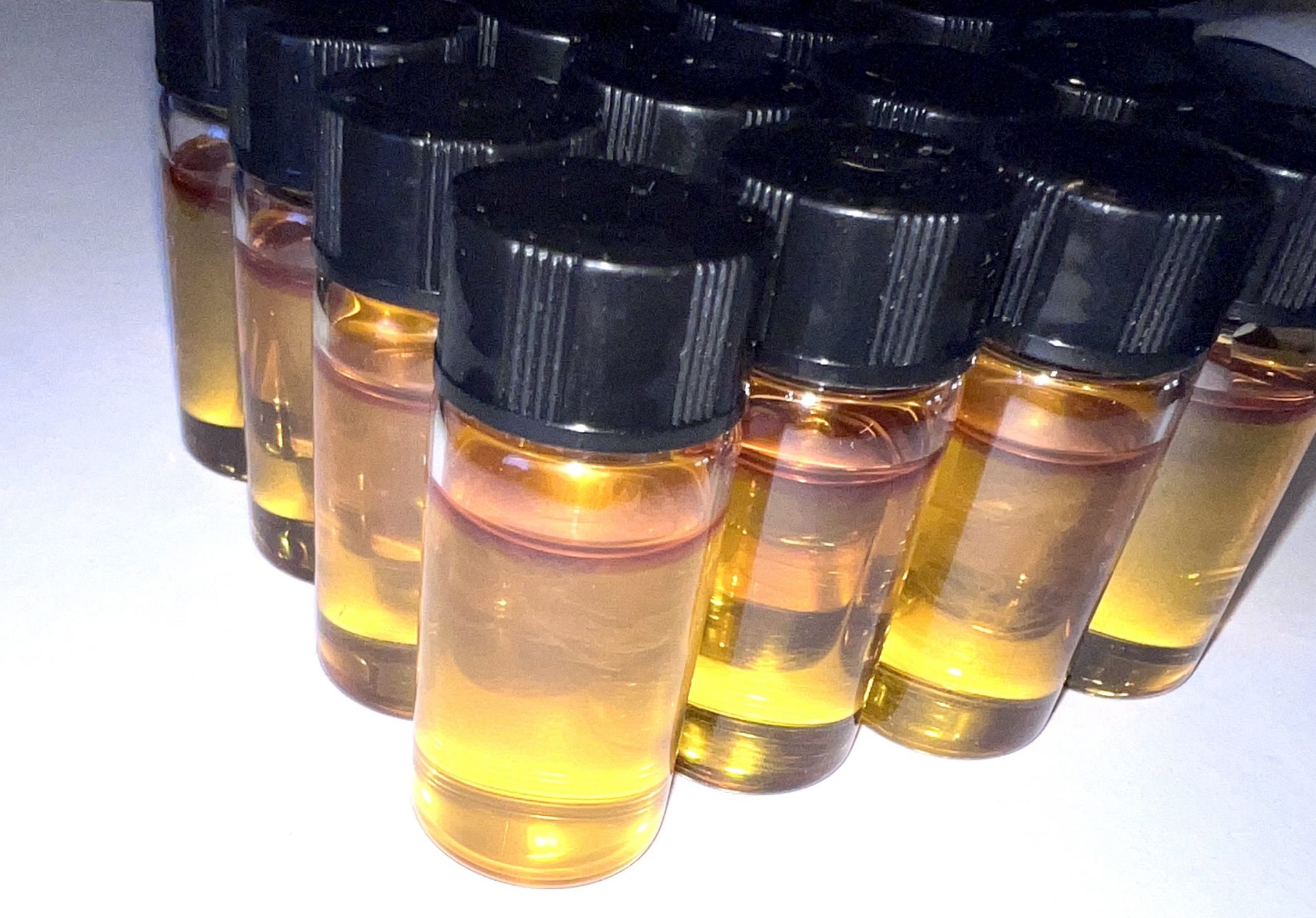


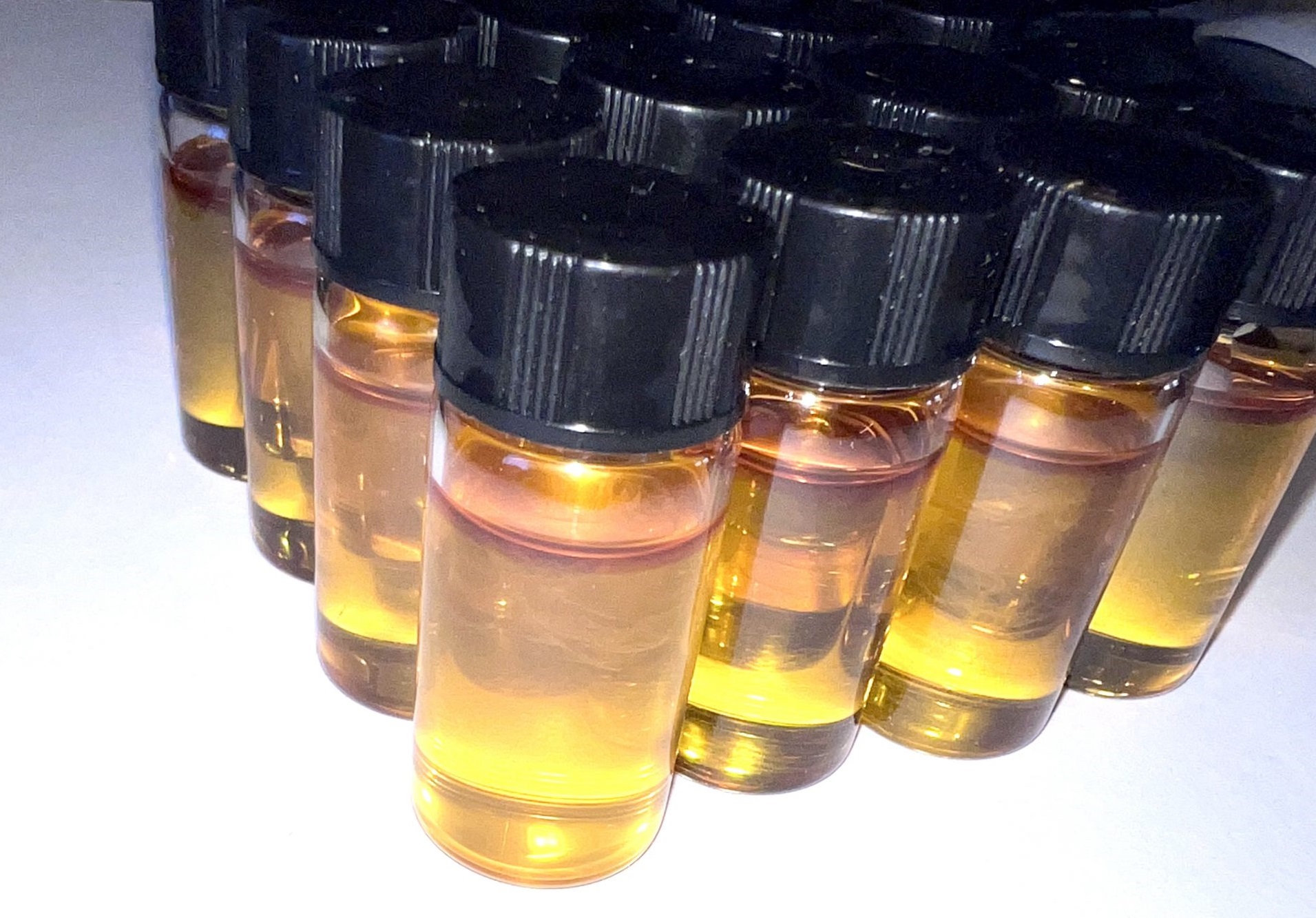
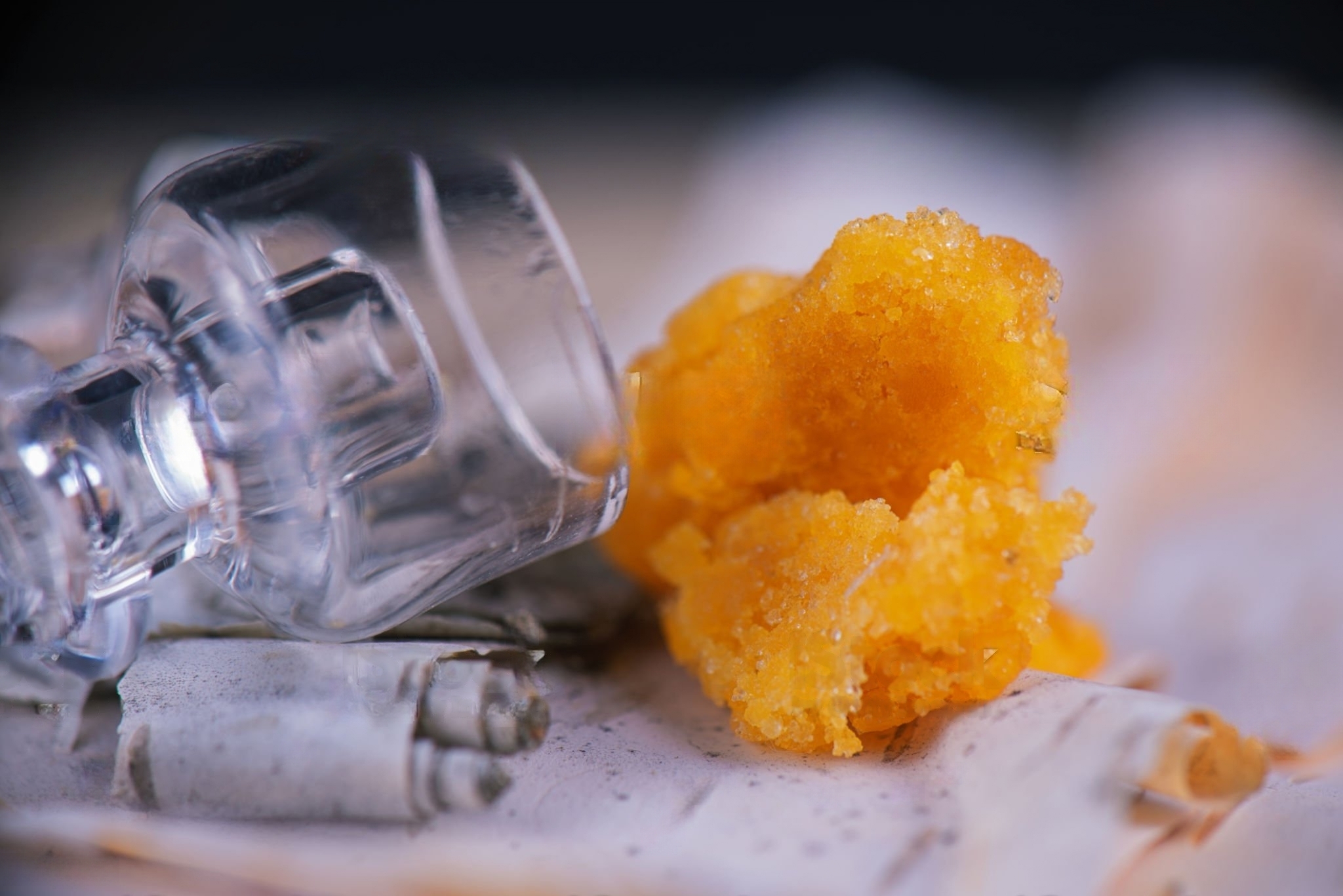
As the world of cannabis-based products continues to evolve, two standout compounds—CBD (cannabidiol) and THC (tetrahydrocannabinol)—have taken center stage in medical and wellness discussions. One of the more concentrated and versatile forms of these compounds is honey oil, also known as hash oil. Derived from the cannabis plant, honey oil is a potent extract that can be infused with either CBD, THC, or a combination of both. But when it comes to medical relief, how do CBD and THC honey oils compare? Let’s break it down.
Understanding CBD and THC Honey Oil
CBD Honey Oil is a non-psychoactive extract rich in cannabidiol. It is typically derived from hemp plants and contains less than 0.3% THC, making it legal in many places and more suitable for those who want therapeutic effects without feeling "high."
THC Honey Oil, on the other hand, is rich in tetrahydrocannabinol, the primary psychoactive compound in cannabis. This oil can produce intoxicating effects but also offers a wide range of therapeutic benefits, especially for pain and appetite stimulation.
Medical Benefits of CBD Honey Oil
CBD honey oil is particularly well-suited for people seeking relief without impairment. It interacts with the body’s endocannabinoid system (ECS) to support homeostasis, reduce inflammation, and modulate pain perception.
Common medical uses of CBD honey oil include:
- Chronic pain relief: Especially useful in inflammatory conditions like arthritis and fibromyalgia.
- Anxiety and depression: Helps regulate serotonin receptors, promoting a calming effect.
- Seizure control: FDA-approved Epidiolex (CBD-based) treats rare forms of epilepsy.
- Neuroprotection: Studied for potential in Alzheimer's, Parkinson’s, and multiple sclerosis.
Importantly, CBD does not alter cognition or motor function, making it a better choice for daytime use or individuals with a sensitivity to THC.
Medical Benefits of THC Honey Oil
While THC has a psychoactive reputation, it offers significant therapeutic benefits, especially when pain and other symptoms are resistant to treatment.
Medical applications of THC honey oil include:
- Chronic and severe pain: Particularly effective in neuropathic pain and post-surgical recovery.
- Appetite stimulation: Often prescribed to cancer patients and those with HIV/AIDS suffering from wasting syndrome.
- Nausea and vomiting: Especially valuable in managing side effects of chemotherapy.
- Muscle spasticity: Beneficial for conditions like multiple sclerosis.
However, THC's psychoactive nature can lead to side effects like anxiety, paranoia, or sedation in some users, making dosage control crucial.
CBD vs. THC Honey Oil: Which Is Better?
There’s no one-size-fits-all answer. CBD honey oil is generally safer for individuals new to cannabis or those seeking relief from inflammation, anxiety, or neurological disorders without intoxication. It's also more accessible due to its legal status in many regions.
THC honey oil shines in situations where strong pain relief, appetite stimulation, or anti-nausea effects are essential. However, it requires more careful management due to its psychoactive effects and legal restrictions in many areas.
Interestingly, many patients find the most relief with a combination of both compounds, known as the entourage effect. This synergy can enhance the effectiveness of each cannabinoid while reducing side effects.
Conclusion
Choosing between CBD and THC honey oil depends on your specific medical needs, lifestyle, and tolerance. Consulting a medical professional familiar with cannabis-based treatments is always recommended. Whether you’re managing chronic pain, anxiety, or a neurological condition, these potent extracts offer promising paths to relief—just with different roads to get there.



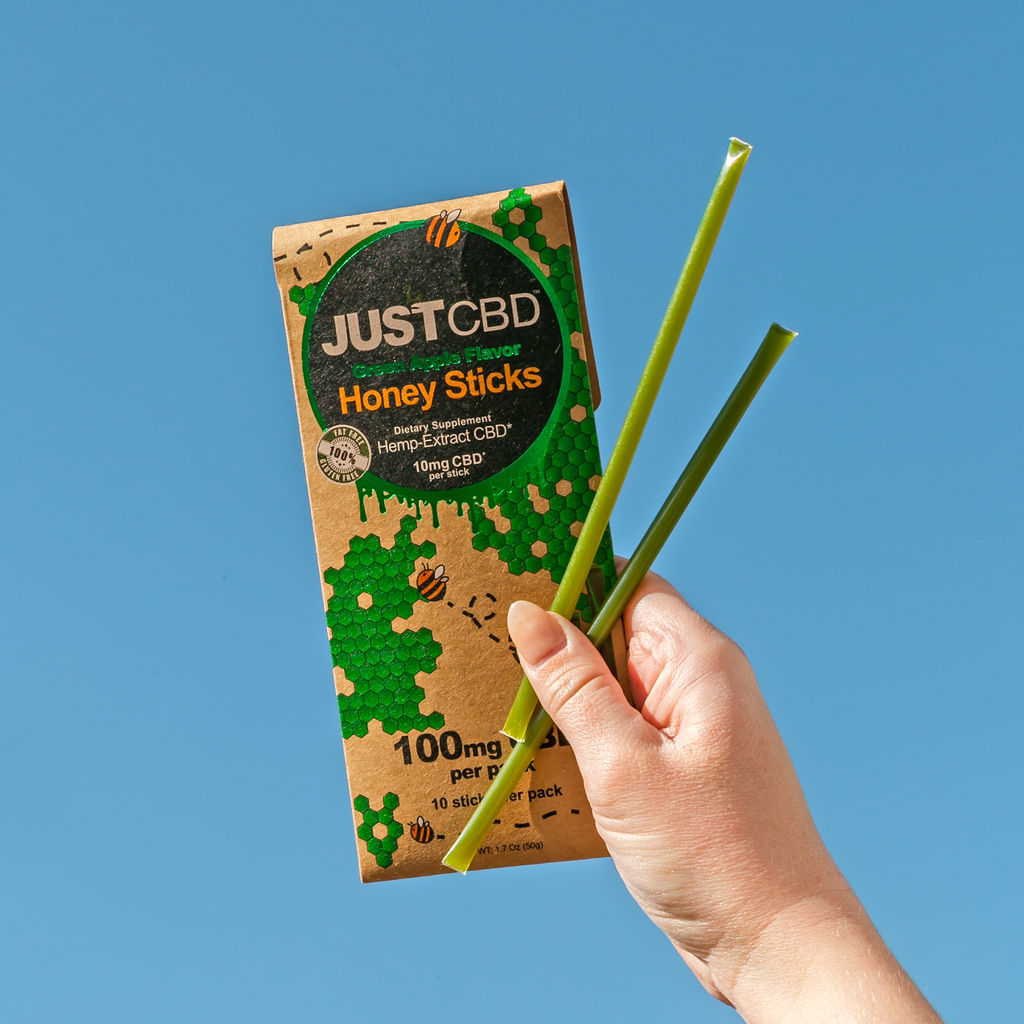
Our CBD Isolate Organic Honey Sticks are nature’s perfect blend of all organic honey mixed with organic hemp isolate powder to give you the consumer that powerful benefits of 10mg CBD per stick.Each one of these sweet sticks is filled with an infusion of natural honey and made in USA CBD, making it perfect for a person who loves the taste of honey.
To know more visit: https://justcbdstore.com/product-category/honey/