


Patients today act more like informed shoppers than people who just get care. Before they even see a doctor, they look up symptoms online, read reviews of medications, and compare treatment options. Patient journey mapping helps pharma and healthcare teams see this whole process, from the first Google search to managing a long-term condition, so they can make it easier and provide timely help.
By mapping out each touchpoint across digital, in-person, and emotional moments, companies can find gaps that traditional market research might miss. The end result is a clearer picture of what patients really need and when they need it.
Why Pharma Needs to Map the Patient Journey
1. Making sure that brand strategy matches what people do in real life
Shows what makes people make decisions. Mapping shows where patients look for information, who affects their decisions, and what stops them from following through (cost, stigma, side effects).
Shows you how to choose a channel. Instead of reaching out to everyone, brands can focus on the websites, social media sites, or community clinics that patients actually use.
Supports language that is centered on the patient. Journey insights tell copywriters which words work better, like "flare-up control" vs. "symptom mitigation," which makes the content easier to understand.
2. Making it easier to find people to take part in clinical trials.
When eligible patients don't hear about a study or don't believe it will help them, recruitment stops. A well-done patient journey mapping exercise shows the times when people are unsure and suggests proactive steps to take, such as:
- Videos that explain things before consent forms
- Nurse hotlines to help with safety concerns
- Working with advocacy groups that patients already trust
3. Improving outcomes and treatment adherence
Patients have to deal with a whole new set of problems once treatment starts, like side effects, getting their insurance to cover it again, and changing their lifestyles. By mapping out these steps after a prescription, support teams can make reminder apps, co-pay help, or tele pharmacy check-ins that help patients stay on therapy longer, which leads to better health metrics and stronger brand loyalty.
Making a Good Patient Journey Map
Get Data from Multiple Sources
Combine electronic health records, CRM activity, social listening, and interviews with people. This 360-degree view cuts down on bias and shows both numbers and real-life experiences.
Make personas and emotional situations
A persona like "Tech-Savvy New Mom with Type 1 Diabetes" helps teams understand how people feel, like how scared they are of hypoglycemia while taking care of a baby, and then plan interventions that fit those feelings.
Plot Touchpoints in Order of Time
For digital, physical, and emotional layers, use swim lanes. Mark the moments of truth when expectations are met or not met, like the first time you refill.
Rate the severity of the pain point
Give numbers to the risk of frustration or drop-off. Areas that get a lot of points (like delays in getting prior authorization) become top priorities for fixes.
Think of and try out solutions
Think of new content, service changes, or technology additions. Test them out on a small group, look at metrics like script conversions and quality-of-life scores, and then scale up the best ones.
Other Benefits Besides Marketing
Regulatory compliance: Mapping shows where safety warnings or consent language must be, which lowers the risk of getting sued.
Aligning value-based care: Payers like treatments that lead to better outcomes and fewer readmissions, both of which are supported by journey-driven adherence programs.
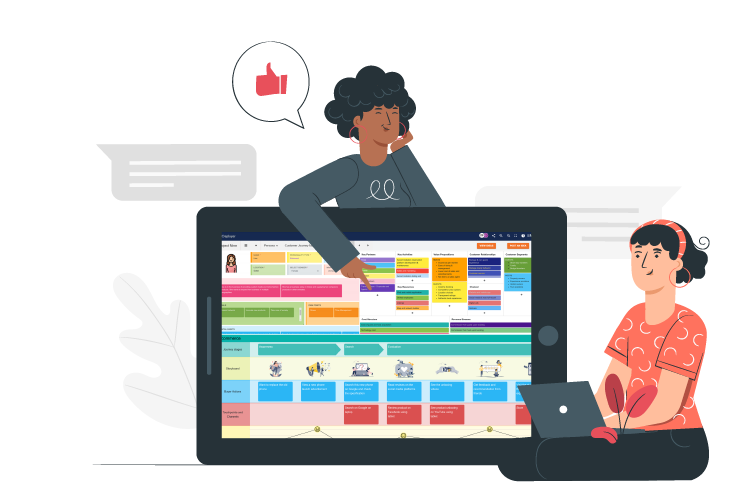
Cross-functional collaboration: Instead of working in separate spreadsheets, medical, commercial, and patient-support teams all work together on a single visual roadmap.
Things to Stay Away From
Thinking that one size fits all. Different depths of mapping are needed for chronic and acute conditions.
Not paying attention to emotional drivers. Fear, pride, or cultural stigma often outweigh what doctors say.
Making visuals too complicated. Teams won't want to use a map that is messy; make sure it is clear and color-coded.
Documents that don't move. Look at the map again every year, or sooner if new treatments, competitors, or rules come out.
Future Trends in Patient Journey Analytics
AI-powered sentiment tracking will let you know right away when patients' feelings change.
Digital twins could show how journeys would end up under different intervention scenarios, making the best use of resources.
Interoperable health platforms will make it easy for data to move from wearables to EHRs, which will improve the accuracy of maps.
Last Thoughts
Patient journey mapping has gone from being a "nice-to-have" to a "operational necessity" for pharmaceutical companies that want to provide patient-centered care in a time when patient expectations are similar to those of consumers. By shining a light on every step, challenge, and feeling along the healthcare journey, organizations can create interventions that make sense, encourage people to stick with them, and, in the end, improve outcomes. When used carefully, with help from behavioral science experts like Newristics, journey maps become living tools that help with strategy, build empathy, and keep the focus on the patient.
It helps businesses understand their customers better, but it can also help them improve their product or service.
A Customer Journey Model is used in many different business activities, including advertising, customer service, sales, networking, and product development.There are several benefits of Customer Journey MappingThe first is that it helps businesses understand their customers better.
They use these data to understand their customers and what they want or need from them.
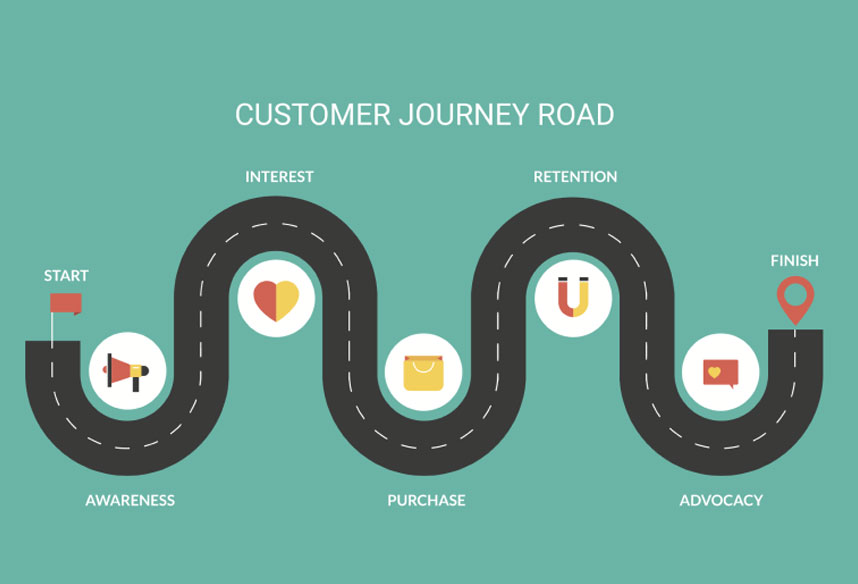
Once a company has gathered its customer data, it is necessary to map all of this customer information to form a compelling customer journey.Another advantage of customer journey mapping is that it can provide a benchmark against which the success or failure of a particular campaign can be compared.
This allows a company to evaluate its marketing campaigns and make adjustments if needed.
In addition, by seeing how customers flow through each stage of the buying process, a company can evaluate how each stage of the buying journey affects the customer experience.