As architectural design moves further into the future, one trend continues to shine—quite literally—at the crossroads of aesthetics, function, and sustainability: the translucent facade. In 2025, designers, architects, and builders are embracing this modern facade solution not just as a stylistic element but as a performance-driven piece of architecture that enhances energy efficiency, improves natural lighting, controls solar gain, and supports environmental goals.
At Facaplex, we believe that innovation lives in light. The translucent facade—often crafted from high-performance materials like polycarbonate, advanced glazing, or translucent composites—is increasingly used to create buildings that breathe, shine, and inspire. These facades balance transparency and privacy, illumination and insulation, revealing a new dimension in façade engineering that is breaking traditional boundaries.
Understanding the Rise of the Translucent Facade
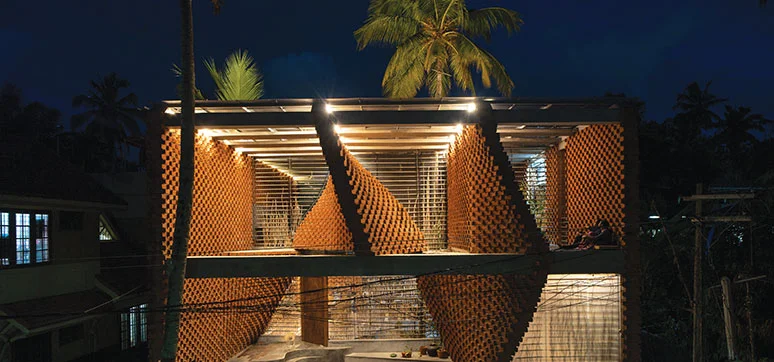
The translucent facade is an architectural element that allows diffused light to pass through while obscuring direct visibility, offering the best of both transparency and privacy. Unlike transparent glass walls or opaque external cladding, translucent facades softly illuminate interiors while reducing glare and solar gain.
Key Characteristics of Translucent Facades:
- Light transmission without clear vision
- UV protection
- Enhanced thermal insulation
- Glare reduction
- Aesthetic uniformity
Due to these unique properties, they’ve gained popularity not only in commercial buildings and public spaces but also in residential and institutional architecture.
Innovation in 2025: Pushing the Boundaries in Facade Design
As construction technologies advance, so do the possibilities in facade design. Architects are no longer limited to traditional cladding or fully transparent elements. Instead, 2025 is ushering in a new era of dynamic facade solutions, with translucent facades leading the charge.
Top Innovations in 2025 Include:
1. Smart Light-Controlled Facades
Utilizing smart materials such as electrochromic panels and photochromic films, some translucent facades in 2025 can now adapt to varying levels of sunlight, adjusting opacity in real time. This results in improved occupant comfort and lower HVAC loads.
2. Multi-Layer Polycarbonate Systems
Advanced polycarbonate technologies, such as honeycomb or panel-in-panel systems, are raising both thermal and acoustic performance while retaining lightweight, durable, and weather-resistant properties.
3. Embedded Solar Facades
Integrating photovoltaic layers into translucent panels introduces an exciting synergy—buildings that generate their own energy while reducing reliance on artificial lighting.
4. Fire-Rated & Impact-Resistant Panels
In 2025, new-generation translucent facade systems are meeting even stricter fire safety and resistance standards, making them suitable for high-occupancy and safety-sensitive environments.
Applications Across Industries: Where Translucent Facades Shine
Thanks to versatility in function and appearance, translucent facades are being integrated into diverse building types. At Facaplex, we’ve contributed custom solutions across numerous sectors.
- Commercial Buildings
Retail outlets, corporate offices, and mixed-use developments utilize translucent facades to create light-filled interiors that attract and inspire. These designs are typically combined with daylight sensors and smart lighting for energy optimization.
- Educational Institutions
Translucent facade panels enhance learning environments by creating calming, naturally lit classrooms that limit harmful UV rays. They are also highly durable—a priority in schools and universities.
- Industrial & Sports Facilities
Large-scale buildings like warehouses, exhibition halls, and stadiums require lightweight building envelopes. Translucent polycarbonate systems offer wide-span solutions that are robust while remaining energy-efficient.
- Healthcare Environments
Transparency and natural light are known contributors to healing. Translucent facades in hospitals help meet wellness and sustainability goals simultaneously by promoting daylight, reducing energy consumption, and maintaining patient privacy.
- Residential Architecture
Contemporary homes and multi-family housing are increasingly adopting translucent facade elements as privacy screens, skylight walls, or stairwell cladding—offering aesthetics and livability in one.
.Material Selection: Transparency with Performance
Picking the right material is essential. At Facaplex, we guide our clients through a comprehensive material selection process, whether they prioritize thermal insulation, fire ratings, or design flexibility.
Common Materials in Translucent Facade Systems:
- Polycarbonate
A lightweight yet tough material, polycarbonate offers high impact resistance, UV resistance, and excellent light diffusion. Favored for both performance and affordability.
- Glass With Diffusing Films
Textured or layered glass with specialized coatings can offer beautiful light dispersion and luxurious finishes, albeit at a higher cost.
- ETFE Foils
Ethylene tetrafluoroethylene (ETFE) is making waves in long-span projects like atriums and stadiums due to its stretchable, ultra-light properties and self-cleaning abilities.
- FRP (Fiberglass Reinforced Polymer)
Highly flexible in form, FRP panels provide translucency along with resistance to chemicals and weather—ideal for industrial use.
Sustainability: How Translucent Facades Support Green Design
Supporting a net-zero building future requires every material to serve more than one purpose. The translucent facade is an unsung hero in this mission.
Energy Efficiency Benefits:
- Passive daylighting cuts reliance on artificial light
- Low U-values in layered panels reduce heat transfer
- Compatibility with ventilation systems improves thermal comfort
- Reduced need for HVAC results in lower carbon emissions
Certifications & Standards:
Translucent facades can help your building achieve:
- LEED points
- BREEAM rating improvements
- WELL building standards for healthy indoor environments
Partnering with Facaplex: Your Façade Innovation Partner
At Facaplex, we specialize in facade solutions that blend beauty, structure, and sustainability. We understand what forward-thinking architecture requires—and we deliver high-performance systems tailored to your unique vision.
Why Choose Facaplex for Your Translucent Facade Needs?
- Over a decade of material engineering and architectural experience
- Custom manufacturing for any form or finish
- Compliance with global safety, fire, and energy codes
- Sustainable sourcing and lifecycle planning
- Full-service design and technical support from concept to completion
From early-stage design collaboration to on-site support during installation, we ensure your translucent facade functions beautifully for decades to come.
Case Study Spotlight: Translucent Facade at GreenTech Innovation Hub
In early 2025, Facaplex partnered with GreenTech Innovation Hub, a 40,000 sq. ft. innovation center focusing on climate science and AI research. Our team designed and installed a custom polycarbonate translucent facade system to allow optimal daylighting without overpowering sensitive lab spaces.
Results:
- 35% energy savings year-over-yea
- 60% of interior space naturally li
- Building achieved LEED Gold Certification
We handled everything from facade concept modeling to energy simulation and panel installation—an end-to-end Facaplex solution.
The Future Ahead: What’s Next for the Translucent Facade?
With continuing advances in materials science, AI-driven design tools, and global green building standards, the translucent facade is evolving rapidly. Future innovations might include:
- AI-responsive facades with real-time climate adaptation
- Fully integrated solar-optic panels
- Biophilic panels combining light and greenery
- Lightweight recyclable composites with carbon-negative properties
As always, Facaplex remains at the forefront—engineering the future of facades, one project at a time.
Let Your Building Shine with a Facaplex Translucent Facade
As buildings evolve, so should the systems that wrap them. The translucent facade is no longer a niche or luxury feature—it’s becoming an essential element of future-forward architecture. At Facaplex, we’re excited to help you design the next generation of illuminated, intelligent, and inspiring buildings.
Frequently Asked Questions (FAQ)
Q1: What exactly is a translucent facade?
A translucent facade is a building envelope or exterior cladding system that allows diffused natural light to pass through without direct visibility into the interior. It bridges the gap between transparency and opacity, offering aesthetics, lighting, and energy efficiency.
Q2: How does a translucent facade differ from a transparent one?
While transparent facades (like clear glass) allow full vision through the material, translucent facades obscure or diffuse light, offering greater privacy, reduced glare, and better solar control.
Q3: What buildings are best suited for a translucent facade?
Translucent facades are ideal for:
- Commercial offices
- Warehouses and industrial centers
- Healthcare and educational facilities
- Residential privacy walls or atriums
- Sports centers and airports
Q4: Are translucent facades energy-efficient?
Yes, they contribute significantly to energy savings by:
- Reducing the need for artificial lighting
- Improving insulation against heat and cold
- Controlling daylight entry for occupant comfort
Q5: Can I customize the color and texture of a translucent facade?
Absolutely! At Facaplex, we offer customized finishes, panel patterns, colors, and even printing options, depending on your material preference.
Q6: Is a translucent facade cost-effective in the long run?
Yes. Although the initial installation may be slightly higher than traditional materials, the long-term savings in energy costs, durability, and low maintenance make this solution cost-effective over time.



Translucent Glass Market Insights 2019, Global and Chinese Scenario is a professional and in-depth study on the current state of the global Translucent Glass industry with a focus on the Chinese market.
The report provides key statistics on the market status of the Translucent Glass manufacturers and is a valuable source of guidance and direction for companies and individuals interested in the industry.Overall, the report provides an in-depth insight of 2014–2024 global and Chinese Translucent Glass market covering all important parameters.The key ponits of the report:The report provides a basic overview of the industry including its definition, applications and manufacturing technology.The report explores the international and Chinese major industry players in detail.
In this part, the report presents the company profile, product specifications, capacity, production value, and 2014–2019 market shares for each company.Through the statistical analysis, the report depicts the global and Chinese total market of Translucent Glass industry including capacity, production, production value, cost/profit, supply/demand and Chinese import/export.The total market is further divided by company, by country, and by application/type for the competitive landscape analysis.The report then estimates 2019–2024 market development trends of Translucent Glass industry.
Analysis of upstream raw materials, downstream demand, and current market dynamics is also carried out.The report makes some important proposals for a new project of Translucent Glass Industry before evaluating its feasibility.Key questions addressed by the report Where will all these developments take Translucent Glassin the mid- to long-term?What are the upcoming technological trends in the Translucent Glassmarket?What are the opportunities for various players that exist at present and those that are planning to enter at different stages of the value chain?How growth strategies implemented by key players will impact the growth rate of the Translucent Glassmarket, and who will have the undue advantage?What are the current adoption trends of the Translucent Glassmarket?Report Sample includes:- Table of Contents- List of Tables & Figures- Charts- Research MethodologyGet FREE Sample of this Report at https://www.24marketreports.com/report-sample/global-translucent-glass-2019-2024-105There are 3 key segments covered in this report: competitor segment, product type segment, end use/application segment.For competitor segment, the report includes global key players of Translucent Glass as well as some small players.
At least 5 companies are included:AsahiGentexSaint-GobainCorningNippon Sheet Glass,The information for each competitor includes:Company ProfileMain Business InformationSWOT AnalysisSales, Revenue, Price and Gross MarginMarket ShareFor product type segment, this report listed main product type of Translucent Glass market in gloabal and china.Manufacturing Process:FloatManufacturing Process:RolledFor end use/application segment, this report focuses on the status and outlook for key applications.
End users sre also listed.ConstructionAutomotiveReasons to Purchase this Report:Estimates 2019–2024 Translucent Glass market development trends with the recent trends and SWOT analysisMarket dynamics scenario, along with growth opportunities of the market in the years to comeMarket segmentation analysis including qualitative and quantitative research incorporating the impact of economic and policy aspectsRegional and country level analysis integrating the demand and supply forces that are influencing the growth of the market.Market value (USD Million) and volume (Units Million) data for each segment and sub-segmentCompetitive landscape involving the market share of major players, along with the new projects and strategies adopted by players in the past five yearsComprehensive company profiles covering the product offerings, key financial information, recent developments, SWOT analysis, and strategies employed by the major market players1-year analyst support, along with the data support in excel format.Any special requirements about this report, please let us know and we can provide custom report.Get the Complete Report & TOC at https://www.24marketreports.com/chemicals-and-materials/global-translucent-glass-2019-2024-105CONTACT US:276 5th Avenue, New York , NY 10001,United StatesInternational: (+1) 646 781 7170Email: help@24marketreports.comFollow Us On linkedin :- https://www.linkedin.com/company/24-market-reports