



Physiotherapy Exercises: Unlocking the Power of Movement for Better Health and Well-Being
By Revitalize Physiotherapy and Sports Clinic Surrey
Physiotherapy exercises are a cornerstone of rehabilitative health care, serving as vital tools to restore, maintain, and enhance physical function. These exercises are meticulously designed to cater to individual needs, taking into account the person’s specific health conditions, physical capabilities, and lifestyle goals. In a society where sedentary habits are increasingly common, and chronic health issues such as arthritis, back pain, and post-surgical recovery are prevalent, engaging in targeted physiotherapy routines can be transformative for overall health. They are not merely remedial but also proactive measures that empower individuals to take control of their well-being, fostering resilience, mobility, and vitality.
The essence of physiotherapy exercises lies in their ability to strengthen muscles, improve flexibility, and restore joint mobility, which collectively enable individuals to perform daily activities with greater ease, confidence, and safety. These exercises serve as a bridge between injury or illness and full functional recovery, but they also act as preventative strategies to mitigate future health risks. For example, a person recovering from a knee injury might engage in specific strengthening routines that stabilize the joint, improve its range of motion, and prevent re-injury. Similarly, individuals with chronic conditions like back pain can benefit from core stabilization exercises that support spinal health and reduce discomfort, thereby enhancing their quality of life.
Effective physiotherapy exercises are rooted in a comprehensive understanding of human anatomy, biomechanics, and movement patterns. They often include stretching routines that enhance flexibility and reduce stiffness, strengthening exercises that support weakened muscles, and mobility drills that restore joint function. These routines are dynamic and adaptable, evolving based on the patient’s progress, setbacks, and changing health conditions. Personalized care ensures that each individual receives a tailored approach, maximizing benefits and minimizing risks. For instance, a post-operative patient might start with gentle range-of-motion exercises, gradually progressing to more strenuous strength training as healing advances.
Beyond rehabilitation, physiotherapy exercises play a crucial role in preventive health. Regular practice can help maintain optimal physical function, reduce the risk of injuries, and manage symptoms of chronic diseases such as osteoporosis, arthritis, cardiovascular conditions, and neurological disorders. Incorporating these exercises into daily routines fosters a proactive approach to health, empowering individuals to take charge of their physical well-being. The long-term benefits extend to increased strength, improved posture, better balance, and a greater capacity to engage in physical activities that bring joy and fulfillment. Ultimately, physiotherapy exercises serve as a foundation for a resilient, active, and thriving life, enriching everyday experiences and supporting a vibrant, healthy lifestyle.
Physiotherapy Benefits: Transforming Lives Through Holistic Healing, Pain Management, and Enhanced Well-Being
The benefits of physiotherapy extend well beyond the immediate relief of pain. They encompass a holistic approach to health that addresses physical, emotional, and psychological well-being, recognizing the interconnectedness of body and mind. One of the most immediate and tangible benefits is pain reduction. Whether dealing with chronic back pain, joint discomfort, or post-surgical soreness, physiotherapy employs targeted techniques—such as manual therapy, modalities like ultrasound or electrical stimulation, and specific exercises—to alleviate discomfort and restore comfort. This pain management is crucial not only for improving mobility but also for reducing dependence on medications, which can have undesirable side effects over time, including dependency and adverse reactions.
Physiotherapy also significantly enhances functional independence. For individuals recovering from injury or surgery, regaining the ability to perform essential daily tasks—such as walking, dressing, cooking, and personal hygiene—can dramatically boost confidence, independence, and overall quality of life. For those with chronic conditions, ongoing physiotherapy can slow disease progression, improve posture, and optimize physical function, allowing them to participate more actively in life’s pursuits. Additionally, physiotherapy plays a vital role in improving ergonomics and posture, which are key in preventing work-related injuries, repetitive strain injuries, and musculoskeletal disorders that often develop from poor habits or prolonged sitting.
Beyond physical health, physiotherapy offers profound mental and emotional benefits. Engaging in tailored exercises and therapy sessions can foster a sense of achievement and empowerment, helping patients regain control over their bodies and health. Many individuals experience reduced anxiety, depression, and frustration as they see tangible improvements in mobility and pain levels. The social aspect of physiotherapy—working closely with trained professionals and sometimes participating in group therapy—provides emotional support, motivation, and a sense of community, which are essential for holistic healing. Moreover, physiotherapy encourages positive lifestyle modifications, including better sleep patterns, stress reduction techniques, and healthier habits, all contributing to overall wellness.
An additional advantage of physiotherapy is its inclusivity. It caters to diverse age groups and health conditions, from pediatric patients with developmental delays to seniors managing age-related decline. Its personalized approach ensures that everyone, regardless of their physical limitations or health challenges, has access to interventions that can improve their quality of life. The overarching goal of physiotherapy is not merely to treat illness but to promote a vibrant, active, and fulfilling life, helping individuals of all ages thrive physically, emotionally, and socially.
Physiotherapy for Seniors: Empowering Aging Gracefully with Mobility, Independence, and Quality of Life
As individuals age, the importance of maintaining mobility and independence becomes increasingly evident, yet the challenges posed by age-related health issues can threaten these vital aspects of life. Physiotherapy for seniors is a specialized and compassionate field dedicated to addressing the unique health concerns that come with aging, such as osteoporosis, arthritis, balance disorders, muscle weakness, and chronic pain. The primary aim is to help older adults preserve their functional abilities, prevent falls, and enjoy a high quality of life well into their later years. Physiotherapy interventions are thoughtfully tailored to accommodate the physical limitations and safety considerations of older adults, emphasizing gradual progress, holistic care, and empowerment.
One of the most significant benefits of physiotherapy for seniors is its ability to improve balance and coordination. These are critical for preventing falls, which are a leading cause of injury among older populations. Balance training exercises, gait improvement routines, and strength-building activities are essential components of senior physiotherapy programs. These exercises not only enhance physical stability but also bolster confidence, reducing the fear of falling and encouraging seniors to remain active and engaged in daily life. Additionally, physiotherapy can effectively manage chronic pain conditions such as osteoarthritis by improving joint mobility, reducing stiffness, and promoting joint health through targeted exercises and manual therapy.
Beyond physical benefits, physiotherapy significantly contributes to mental and emotional well-being. Staying active and engaged through therapeutic exercises can combat feelings of isolation, depression, and anxiety common among aging populations. It provides a sense of purpose, achievement, and independence, reinforcing a positive outlook on aging. Physiotherapists often collaborate with other healthcare providers—such as nutritionists, occupational therapists, and physicians—to develop comprehensive care plans that encompass balance training, functional mobility exercises, and lifestyle modifications. This integrated approach ensures that seniors receive holistic support that addresses both physical and emotional health.
Incorporating physiotherapy into routine healthcare for seniors can delay the progression of age-related decline, prolong independence, and enhance overall life satisfaction. It encourages seniors to remain active participants in their lives, pursuing hobbies, social activities, and daily routines with vigor and confidence. Ultimately, physiotherapy empowers older adults to age gracefully, with dignity, resilience, and vitality. It demonstrates that aging does not have to mean decline, but can instead be a period of continued growth, exploration, and joy, provided that health and mobility are actively supported through compassionate, expert care.

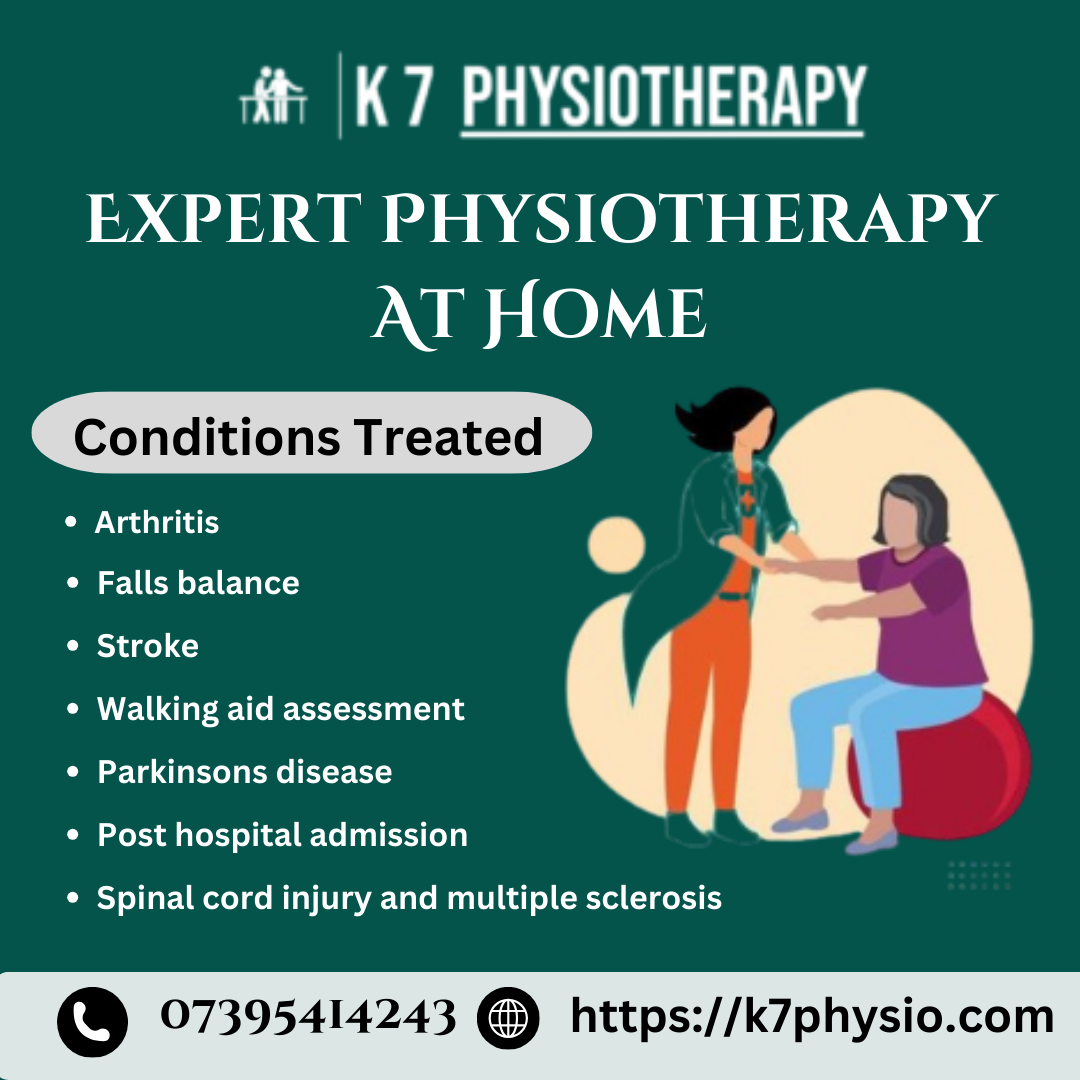

We provide Physiotherapy at home With affordable and accountable services, say good bye to all your worries and hassles of physiotherapy treatment.Read more: http://www.salespider.com/c-43592504/costeffective-physiotherapy-at-home-pain-free-p