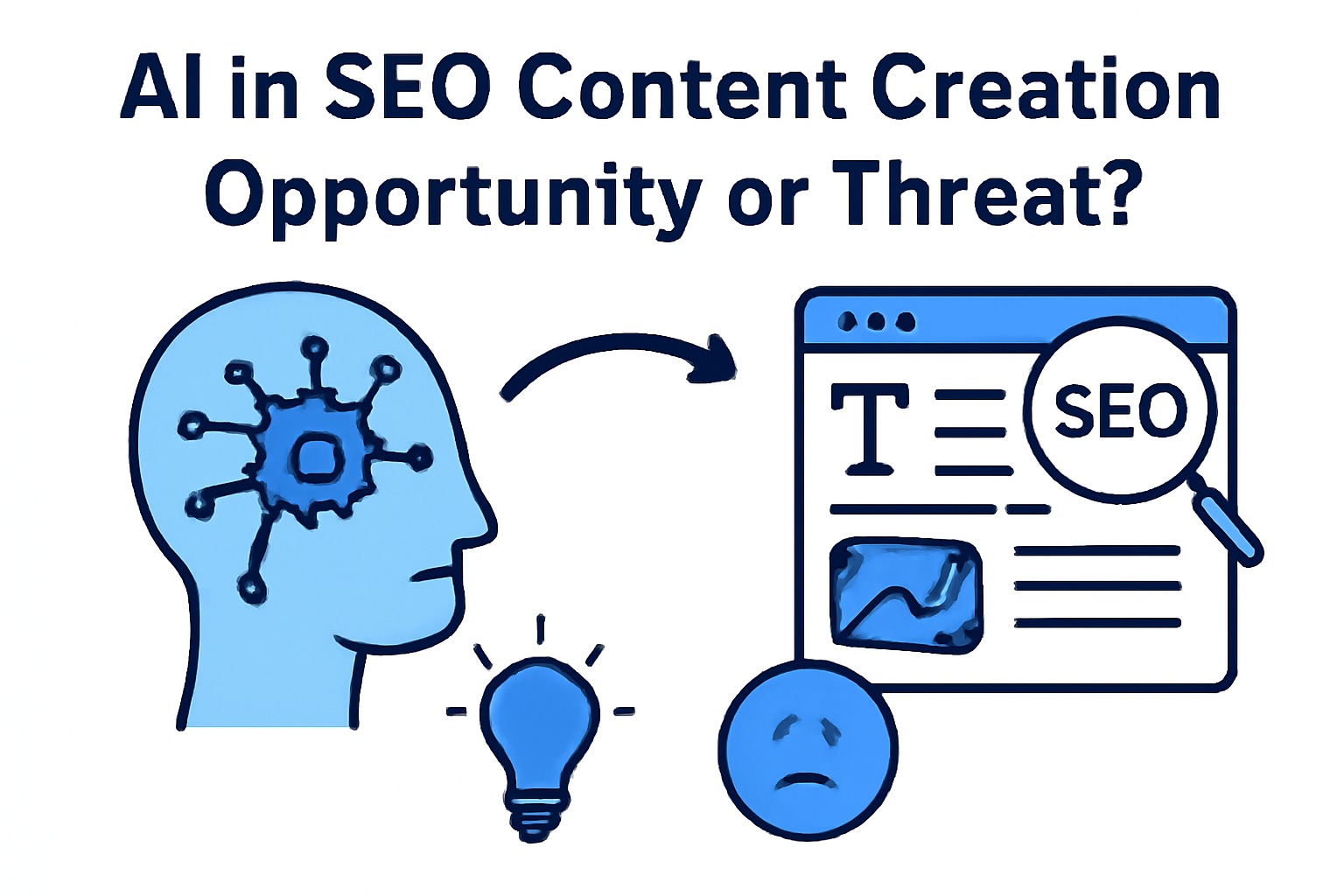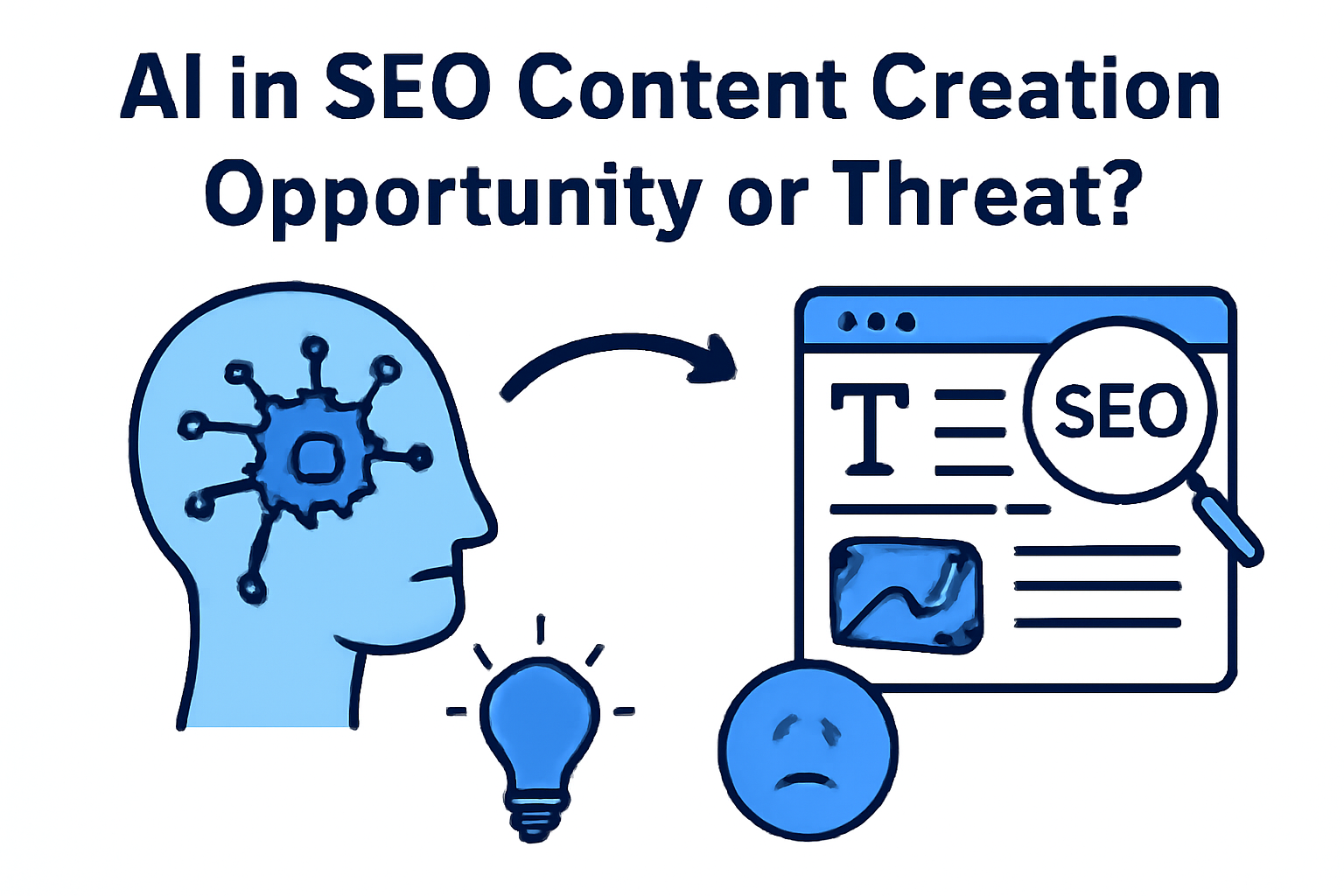


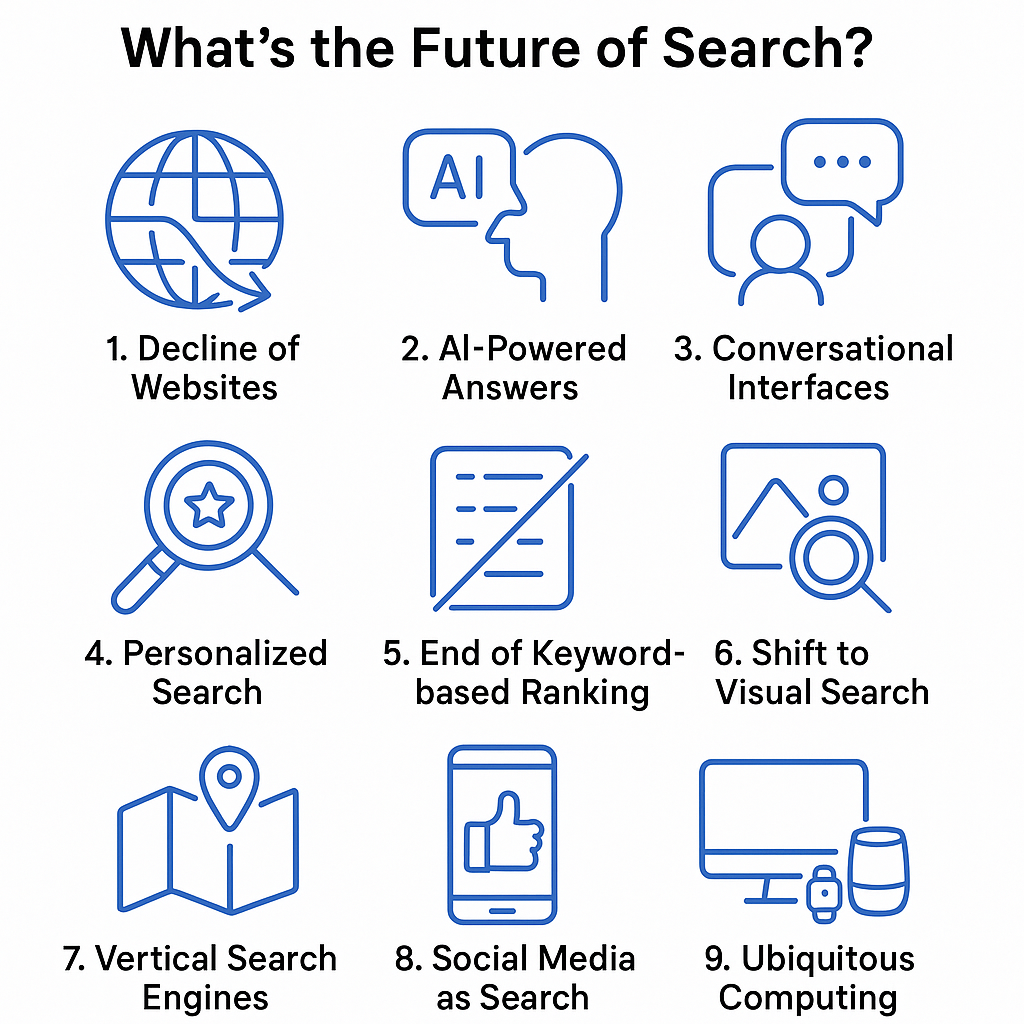
Search is changing. Fast. AI assistants, social platforms, and direct-answer engines are starting to reshape how people find what they need online. Traditional SEO—tuning content for rankings and keywords—may not hold up in the long run. We asked 9 professionals how and why SEO could become irrelevant.
Here’s what they said:
AI Assistants May Render SEO Completely Irrelevant
When AI helpers have already developed to the point when they do more than just retrieve information, then the whole idea of SEO may have become irrelevant. Such AI tools might use preferences, habits, and interactions to learn so as to provide personalized material in real time. Companies would still have to capitalize on creating things that are highly personalized and in context and where the AI guesses what a user needs before the user utters a word.
Andres Bernot, Chief Executive Officer & Founder, Wow! Shirts
-------------------------------------------
Single-Answer Platforms Will Eliminate SEO Rankings
If the search ceases to be a list of results and becomes a single answer, either by AI or voice assistants, then SEO will be obsolete. As soon as platforms provide only one answer without the possibility of choosing between several links, the principle of ranking becomes worthless. By then, the visibility will depend more on the brand recognition, data partnerships, or integration with those systems rather than on the keyword targeting. It is no longer about the way pages are written but the data that the platform accesses and relies on. Such a move would eliminate the essence on which SEO had been established.
Caspar Matthews, Director, Electcomm Group Electrical & Data
-------------------------------------------
AI Content Flood Will Force New Ranking Systems
If AI-generated content overwhelms the web and drowns human created pages, the current SEO will begin to fall apart. Right now, ranking is very dependent on structured signals, optimized metadata & backlinks. But when tens of thousands of articles are written with the help of AI and are posted every minute with the majority of them designed to manipulate those same signals, then the playing field will become unusable. The search engines will have no option other than to lessen their dependence on conventional SEO markers. The ranking would no longer be based on merit and quality but instead would be sieved through a completely different system. That could consist of publisher trust ratings, walled gardens alliances or even AI exclusive indexing approaches which ignore standard SEO efforts altogether.
Steven Bahbah, Managing Director, Service First Plumbing
-------------------------------------------
AI Assistants Threaten Small Business Discovery Opportunities
If AI assistants fully replace search engines SEO could become irrelevant. No more search results, just direct responses. That kind of shift would favor big names or those plugged into AI platforms. As a small business owner, that worries me. SEO has been one of the few tools that helped us compete. Without it, getting discovered might come down to partnerships, reputation, and being "the chosen one" in someone else's algorithm.
Kyle Bernard, Owner, Radiance Pools
-------------------------------------------
Integrated Platforms Could Eliminate SEO Necessity
The time when SEO might become truly obsolete is if platforms such as Google will evolve into something that is a fully integrated search and service platforms. If these platforms combine search, social media, e-commerce & other services into one seamless experience, then the need for SEO on individual platforms might disappear completely.
Marcus Denning, Principal & Senior Lawyer, MK Law
-------------------------------------------
AI Answer Engines Transform SEO Professional Roles
One of the situations when SEO may eventually become outdated revolves around the mainstream existence of AI-based answer engines that entirely transform the way individuals access information using Internet resources. Despite all this, today most SEO tactics revolve around making content rank on the first page of Google in the blue links. However, now, as AI-based apps such as ChatGPT, Perplexity, and Google Search Generative Experience (SGE) continue to become popular, we are heading towards an era of completion where answers would be delivered instantly and conversationally, at least, with minimal interaction with a webpage.
James Allsopp, CEO, iNet Ventures
-------------------------------------------
Pay-to-Play Search Results Would Kill Organic SEO
The point at which the concept of SEO will actually become irrelevant would be when search engines began to make organic listings a pay-to-play field. Should Google feel that too many high value categories such as travel, finance or retail will be too lucrative to leave to unpaid results, they could start charging for placement outright. That changes everything. Relevance and quality of the content would no longer earn rankings. They would be auctioned at the same rate as advertisement space and only deep-pocketed brands would be visible.
Hugh Dixon, Consultant / Marketing Manager, PSS International Removals
-------------------------------------------
Social Media Replaces Google for Real Estate
In real estate, I'm seeing a shift where home buyers are increasingly using social media and virtual tours instead of Google searches - last year, we got more leads from Instagram Reels than organic search. I believe SEO could become obsolete in our industry if platforms like TikTok and Instagram become the primary search engines for property hunting, which is already happening with younger buyers. From my experience selling 35+ homes, I'm noticing that personal recommendations and social proof are starting to matter more than search rankings.
Gagan Saini, Founder, Jit Home Buyers
-------------------------------------------
Personal AI Assistants Will Replace Search Results
Here is a scenario in which SEO might become obsolete.
We can think of a future where the use of highly advanced and personalised AI assistants will be preferred to discover all types of information and products. Now you don't need to type into the search bar and scroll through a long list of links. You can ask the AI tool what you want. Like, "What is the best noise-cancelling headphone for long flights?" or "Find me a vegan recipe for dinner tonight."
Fahad Khan, Digital Marketing Manager, Ubuy Sweden
Bottom Line:
SEO isn’t dead—but it’s definitely in a risky spot. Whether it’s AI, walled gardens, or social platforms taking over, the core idea of optimizing content for search rankings is being challenged. The future might not need SEO as we know it. The question is: are you ready for that shift?