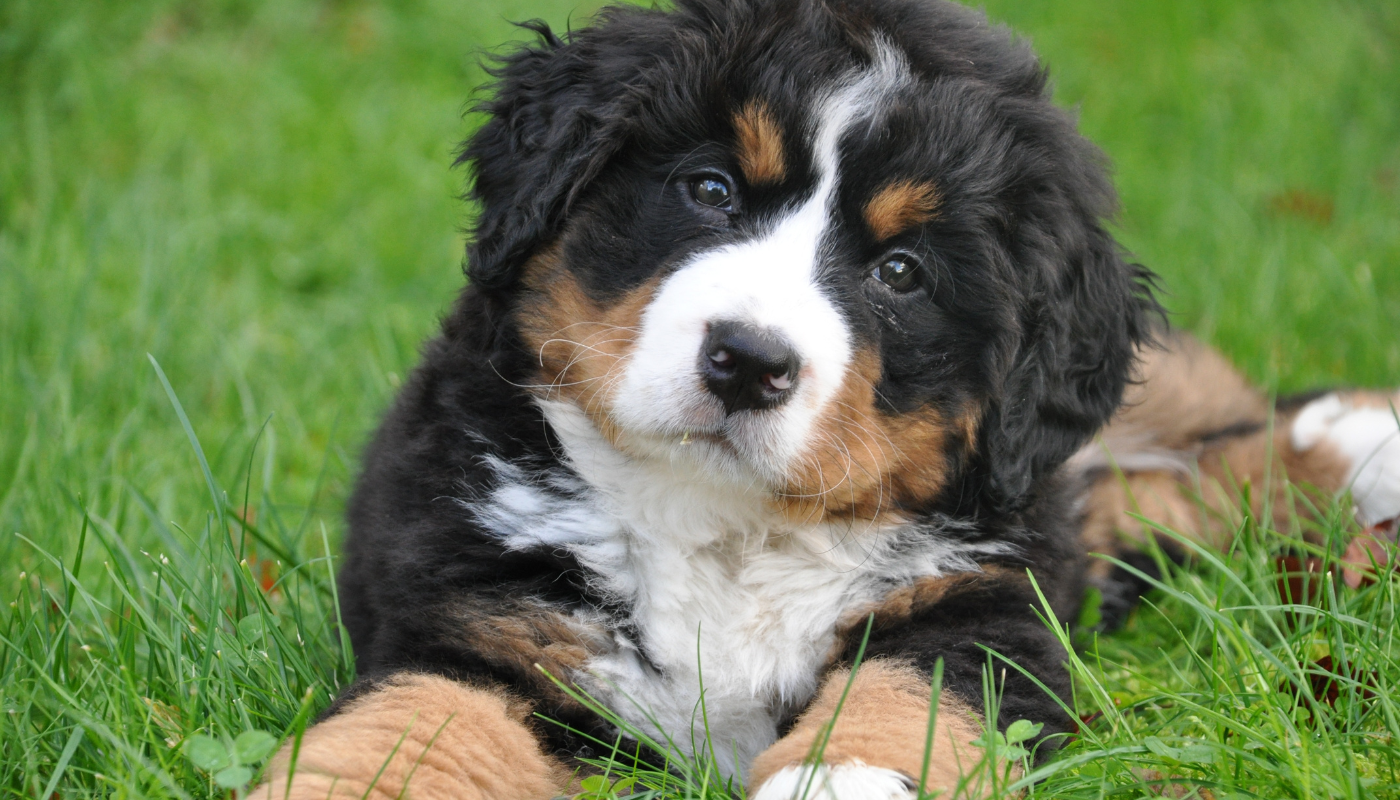
Bernedoodles may win your heart with their soft curls and goofy charm, but what truly makes them great family dogs is their ability to learn and adapt. The secret? Consistent, age-appropriate training from day one. With a structured schedule, you can shape their behavior while nurturing their natural intelligence and affectionate nature.
If you’re currently exploring bernedoodle puppies for sale in Arizona, understanding what to expect from the very first weeks will help you plan ahead. This guide lays out a step-by-step training schedule by age, from the moment your puppy comes home to its first birthday. We’ve also included a real-world case study from a local Arizona family who successfully trained their Bernedoodle using this schedule.
Why an Age-Based Training Schedule Matters
Training isn’t a one-size-fits-all process. Puppies experience key developmental stages that shape their behavior for life. Early positive experiences build confidence, while consistent structure prevents bad habits from forming.
Bernedoodles are exceptionally bright and eager to please, meaning they pick up new skills quickly—but they can also test boundaries if you don’t set clear expectations. Following an age-appropriate schedule allows you to focus on the right skills at the right time, making training less stressful and more effective.
Puppy Training Schedule by Age
3–8 Weeks (Early Foundations with Breeder)
Before you even bring your puppy home, responsible breeders in Arizona often start the training process:
• Neurological Stimulation: Short, gentle handling exercises build resilience to stress.
• Potty Box Training: Puppies are introduced to designated potty areas, learning to separate sleeping and bathroom spaces.
• Noise Desensitization: Exposure to household sounds (TV, vacuum, kids playing) reduces future fear responses.
By 7–8 weeks, many well-bred Bernedoodles already recognize potty spots, making your job easier when they come home.
8–12 Weeks (The Transition Stage)
This is when your Bernedoodle arrives at your home. The goal here is routine-building and basic manners.
Key milestones:
• Potty Training: Take your puppy outside every 1–2 hours, after meals, naps, and play. Use a consistent phrase like “Go potty” followed by praise.
• Crate Training: Helps with potty training and provides a safe space. Start with 10–15 minute intervals and gradually extend time.
• Name Recognition: Call your puppy’s name before giving treats or attention to create a positive association.
• Socialization: Introduce new sounds, sights, and gentle handling from kids and adults. Keep interactions positive and brief.
Example: A Mesa, AZ family reported that their 9-week-old Bernedoodle learned to signal for outdoor potty breaks within the first week by following this routine strictly every two hours.
12–16 Weeks (Learning Obedience Basics)
Your puppy now has a slightly longer attention span and improved bladder control.
• Commands: Begin “sit,” “down,” “stay,” and “come.” Use treats and positive reinforcement.
• Leash Training: Start with short walks indoors, rewarding calm walking beside you before venturing outside.
• Biting & Chewing: Teething peaks here. Redirect biting to toys and avoid rough play that encourages nipping.
• Social Exposure: Arrange playdates with vaccinated, well-mannered dogs to develop social skills.
At this stage, consistency is everything. Skipping structured training can lead to jumping, nipping, or leash pulling habits that are harder to fix later.
4–6 Months (Adolescence Begins)
This is the “testing boundaries” phase. Your puppy is full of energy and curiosity.
• Impulse Control: Teach “leave it” and “wait” commands to manage excitability.
• House Manners: Reinforce no jumping on furniture or people unless invited.
• Longer Walks: Increase walks to 20–30 minutes twice a day, adjusting for Arizona’s heat by going out early morning or late evening.
• Chewing Management: Provide durable chew toys and puzzle feeders to prevent destructive chewing.
Many owners note that this period can feel challenging—puppies may temporarily “forget” training. Patience and consistency will pay off.
6–12 Months (Advanced Training and Social Etiquette)
As your Bernedoodle approaches adulthood, focus on reinforcing everything learned so far while adding advanced skills:
• Distraction Training: Practice recall at the park or around mild distractions.
• Loose Leash Walking: Prevent pulling before it becomes a habit.
• Calm Behavior: Teach your puppy to settle during family meals or when guests arrive.
• Continued Socialization: Expose your dog to new environments (farmers’ markets, car rides, grooming sessions) to build confidence.
By their first birthday, most Bernedoodles trained with this schedule are well-mannered, responsive, and a joy to have around.
A Real-World Success Story: The Johnson Family in Scottsdale, AZ
The Johnsons adopted an F1 Bernedoodle from a reputable breeder in Arizona. Their puppy, Bella, started with basic potty training at the breeder’s home. Once she arrived:
• By 10 weeks: Bella consistently used the backyard for potty breaks, with almost no indoor accidents.
• By 14 weeks: She responded reliably to “sit” and “come,” and leash training was progressing smoothly.
• By 6 months: Bella learned to wait calmly at doors, ignore dropped food on command, and interact politely with children and other dogs.
According to Mrs. Johnson, “Having a clear schedule by age made all the difference. Instead of feeling overwhelmed, we knew exactly what to focus on each week. By the time Bella was one, she was the best-behaved dog we’d ever had.”
Tips for Training Bernedoodles in Arizona
• Weather Considerations: Avoid midday heat during summer. Opt for early morning or late evening walks to prevent overheating.
• Indoor Enrichment: Use puzzle feeders, hide-and-seek games, and basic obedience drills indoors on hot days.
• Hydration: Always keep fresh water available during outdoor sessions.
• Choosing the Right Breeder: Look for breeders offering bernedoodle puppies for sale in Arizona who start early socialization and potty training. This head start makes your first few weeks easier.
Frequently Asked Questions (FAQs)
Q: When should I start formal training classes?
Most experts recommend starting puppy classes between 12–16 weeks, once vaccinations are complete.
Q: How long until my Bernedoodle is fully potty trained?
Most puppies achieve reliable potty habits by 4–5 months, though occasional accidents can happen up to 9 months.
Q: Should I use punishment if my puppy misbehaves?
No. Bernedoodles respond best to positive reinforcement. Correct unwanted behavior by redirecting and rewarding good behavior.
Q: Can Bernedoodles be left alone during training?
Young puppies shouldn’t be left alone for more than 2–3 hours. Gradually build independence with crate sessions as they mature.
Conclusion
Training a Bernedoodle puppy is a rewarding experience that sets the foundation for a lifelong bond. By following an age-based training schedule, you’ll address key milestones at the right time, preventing problem behaviors before they start.
At Doodling Pups, LLC, we believe that great training starts long before you bring your puppy home. Our carefully raised Bernedoodle puppies in Arizona benefit from early socialization and foundational potty training, giving families a smoother transition and a strong head start on good behavior. With the right breeder support and a structured approach, your Bernedoodle can grow into a confident, well-mannered companion for years to come.