Industrial Floor Cleaning: Revolutionizing Maintenance in Modern Facilities
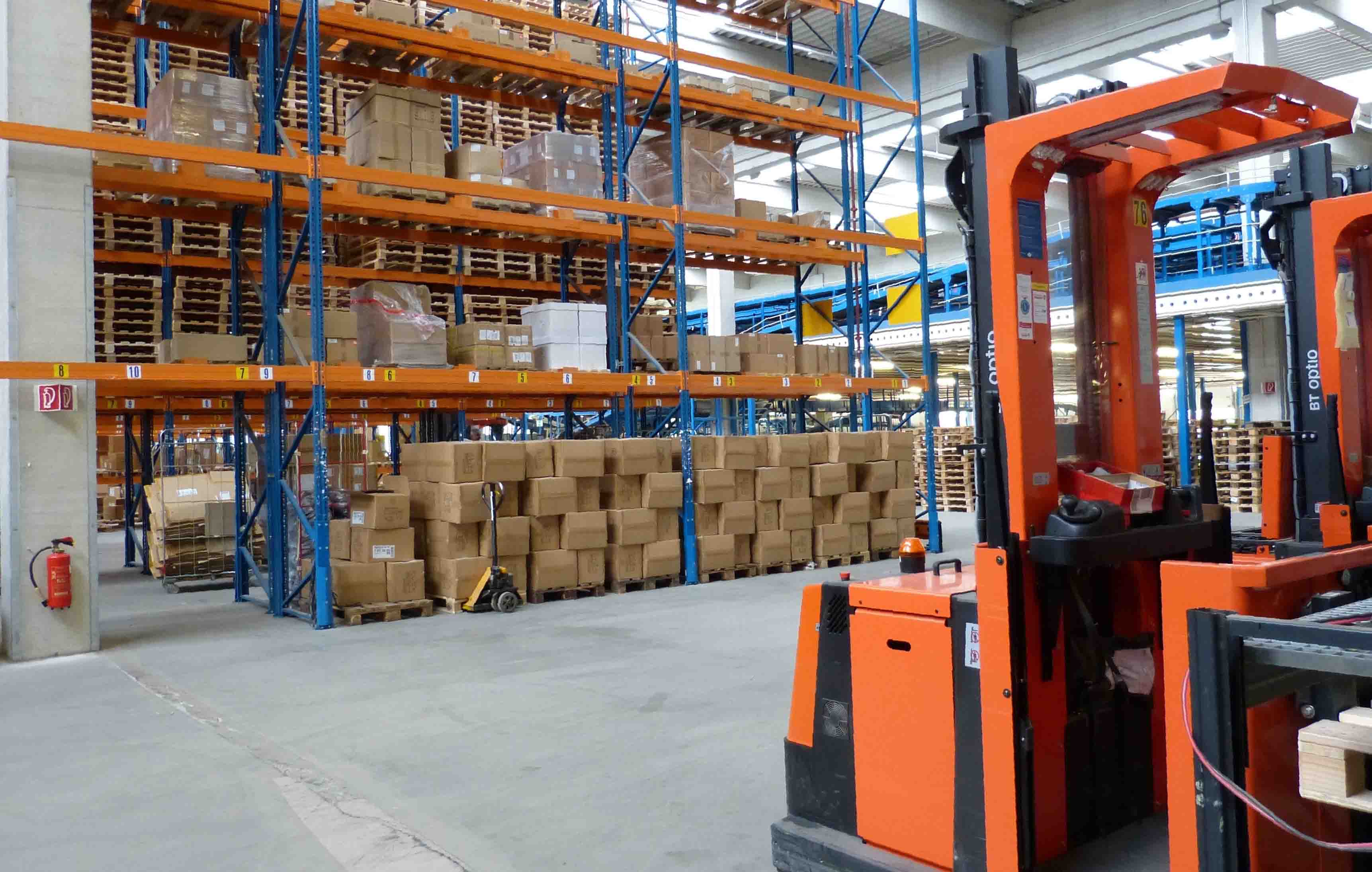
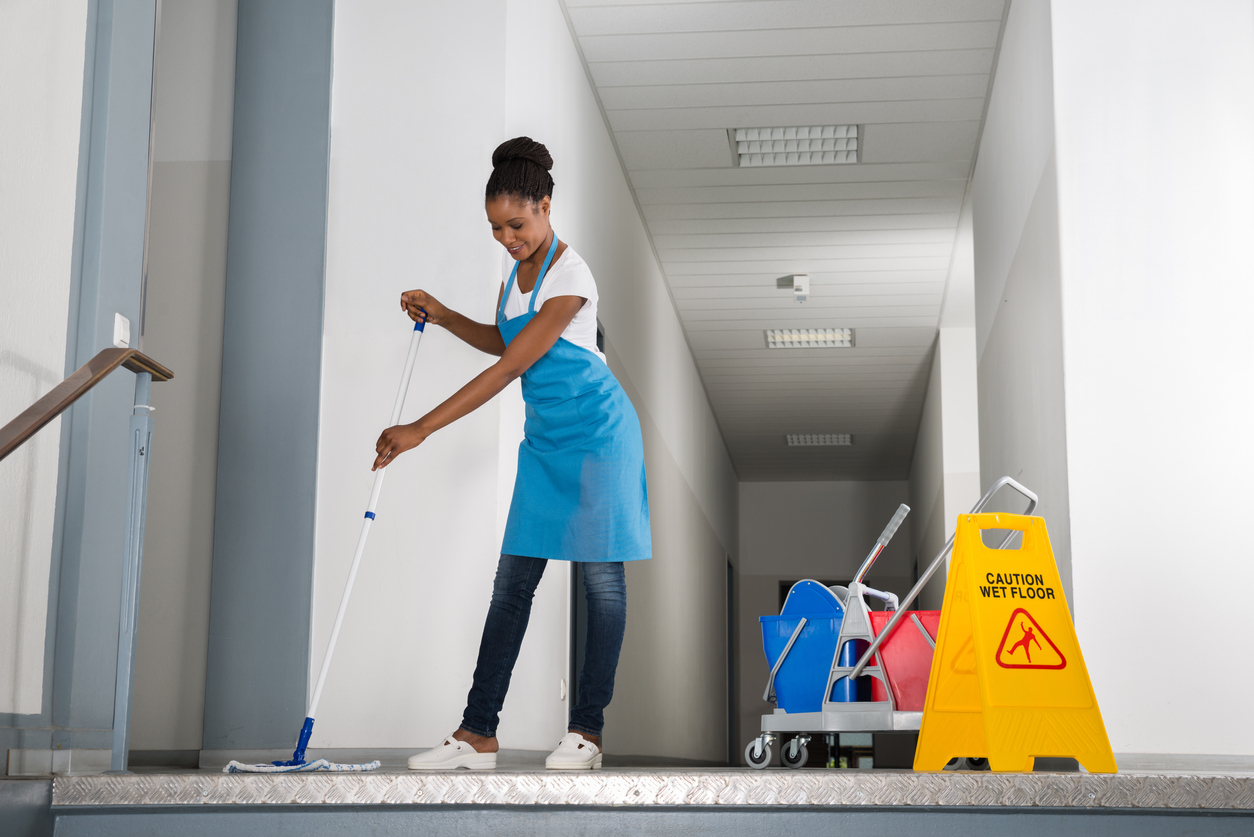
Industrial floor cleaning has long been viewed as a fundamental yet labor-intensive aspect of maintaining large-scale facilities such as manufacturing plants, warehouses, and distribution centers. Traditionally, this task involved manual labor, with workers wielding mops, scrubbers, and pressure washers to keep floors clean. While these methods could be effective to some extent, they came with significant drawbacks, including inefficiency, inconsistency, and health risks for workers. The physical exertion required, exposure to harsh chemicals, and potential for accidents made manual cleaning a challenging and sometimes hazardous process.
In recent years, however, the landscape of industrial floor maintenance has undergone a dramatic transformation. Advances in robotics and automation technology have paved the way for heavy-duty cleaning robots capable of performing complex, demanding tasks with remarkable precision and reliability. These robots are equipped with sophisticated sensors, powerful cleaning mechanisms, and intelligent navigation systems that enable them to operate safely and efficiently across vast and complex floor spaces. As a result, industries are witnessing a paradigm shift—where robotic solutions are increasingly becoming indispensable for ensuring optimal cleanliness, safety, and operational efficiency in modern facilities.
Robotic Cleaning Solutions: The New Standard for Industrial Maintenance
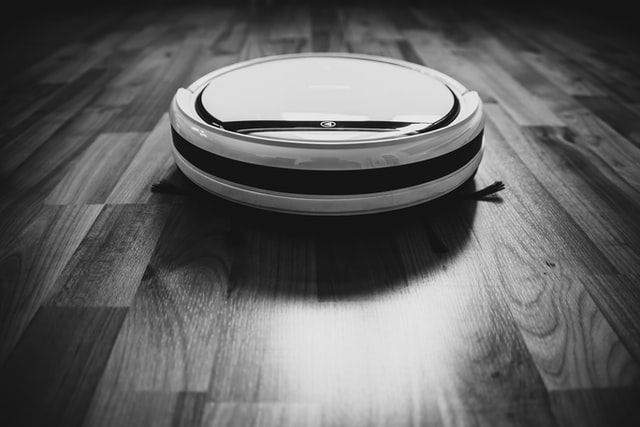
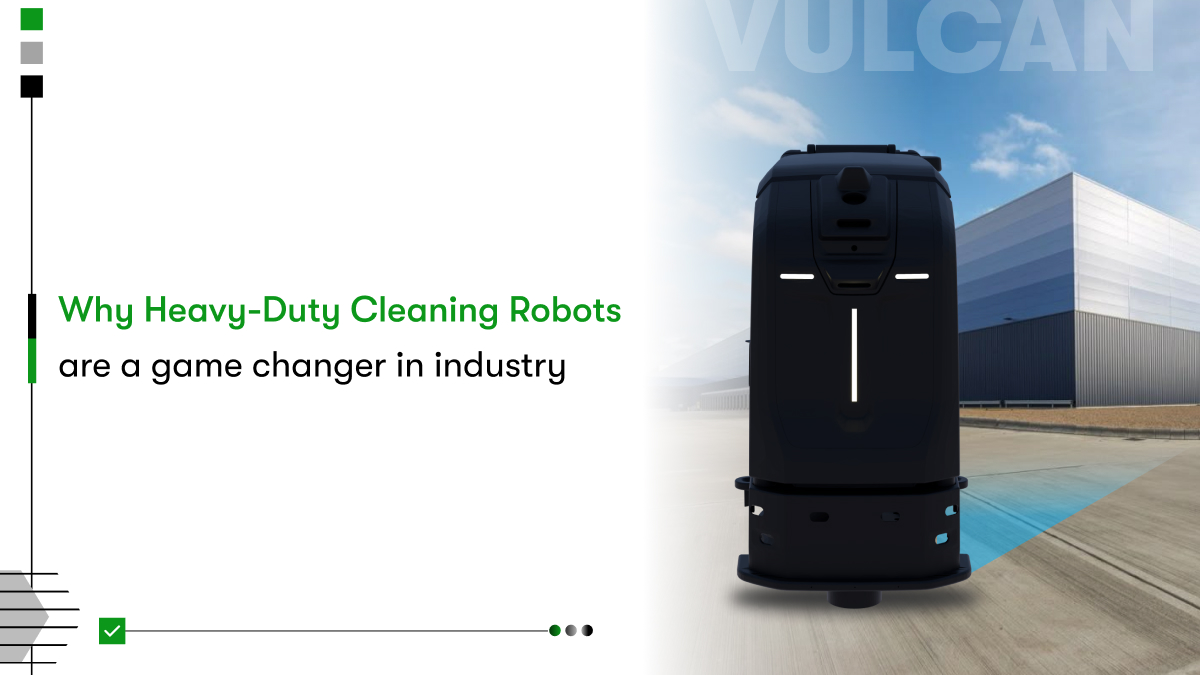
The evolution of robotic cleaning solutions has moved far beyond simple autonomous vacuums designed for domestic use. Today’s industrial robots, like Vulcan by Kody Robots, are engineered to handle heavy-duty tasks such as scrubbing, sweeping, degreasing, and disinfecting on a scale and with a level of precision that manual labor simply cannot match. These solutions incorporate cutting-edge technologies, including GPS, LIDAR, and computer vision, which allow them to navigate complex layouts, avoid obstacles, and adapt to changing environments in real-time.
One of the most compelling advantages of robotic cleaning solutions, including Vulcan by Kody Robots, is their ability to operate continuously with minimal supervision. This capability significantly reduces labor costs and ensures that cleaning schedules are adhered to rigorously, leading to higher hygiene standards and minimized downtime caused by unclean conditions. Additionally, these robots can be programmed for specific tasks and customized to meet the unique needs of each facility—whether it involves deep cleaning of large floor areas, targeted cleaning of hazardous zones, or maintenance of hard-to-reach spaces.
Furthermore, robotic solutions are increasingly integrated with data collection and reporting systems. This integration enables facility managers to monitor cleaning activities remotely, analyze performance metrics, and optimize workflows. The transparency and accountability provided by real-time data help ensure that cleaning standards are consistently maintained, aligning with broader goals of Industry 4.0 and smart manufacturing. The ability to gather actionable insights from robotic operations allows companies to refine their maintenance strategies, reduce waste, and improve overall operational efficiency.
Industrial Robot Solutions: Transforming Industry Standards and Practices
The advent of industrial robot solutions signifies a major leap forward in maintenance practices within industrial environments. Unlike traditional cleaning equipment, modern robots are designed to operate reliably in rugged, chemically harsh, and demanding environments without compromising safety or effectiveness. These robots are often integrated into broader automation systems, making them vital components of smart factories and Industry 4.0 ecosystems.
Industrial robot solutions are highly versatile and scalable, capable of handling a wide array of cleaning tasks across different industries such as automotive manufacturing, food processing, pharmaceuticals, and logistics. They are equipped with robust mechanical components and high-capacity cleaning tools that can scrub, sweep, and disinfect large surface areas quickly and thoroughly. Ease of deployment and maintenance is another critical feature, ensuring minimal disruption to ongoing operations and enabling rapid scaling as operational needs evolve.
One of the most significant benefits of adopting industrial robot solutions is the enhancement of safety standards. By automating hazardous cleaning tasks—such as handling toxic chemicals or cleaning hard-to-reach, dangerous zones—companies can drastically reduce the risk of workplace injuries and exposure to harmful substances. This not only protects employees but also helps companies comply with stringent health and safety regulations, fostering a safer working environment and safeguarding their reputation.
As industries continue to evolve, the integration of industrial robots with other automation technologies such as AI and IoT is expected to further enhance their capabilities. These synergies will enable predictive maintenance, real-time monitoring, and autonomous decision-making, elevating industrial cleaning to new levels of sophistication and reliability. The future of industrial maintenance lies in the seamless integration of robotics with digital systems, creating a connected ecosystem that maximizes efficiency and safety.
AI Cleaning Robots: The Future of Intelligent and Adaptive Industrial Cleaning
The integration of artificial intelligence (AI) into cleaning robots is revolutionizing industrial maintenance by transforming robots from simple autonomous machines into intelligent entities capable of learning, adapting, and optimizing their performance. AI-powered cleaning robots are designed to analyze their environment continuously, recognize patterns, and make real-time decisions that improve their efficiency and effectiveness in complex settings.
These robots utilize machine learning algorithms to process data collected during operations, enabling them to identify high-traffic areas that require more frequent cleaning, pinpoint hazardous zones needing special attention, and adjust their cleaning methods accordingly. This adaptability ensures a higher standard of cleanliness while conserving valuable resources such as water, chemicals, and energy. For example, AI-enabled robots can optimize their routes to minimize overlap, reduce cleaning time, and enhance coverage, all while maintaining high standards of hygiene.
Safety is further enhanced through AI capabilities, as robots can recognize and respond to dynamic obstacles such as moving machinery, personnel, or unexpected hazards. This real-time obstacle avoidance reduces the risk of accidents and ensures seamless operation within busy industrial environments. Additionally, AI integration facilitates predictive maintenance—using data analytics to forecast when components might fail or require servicing—thus minimizing downtime and extending the lifespan of cleaning equipment.
As AI cleaning robots become more sophisticated, their role within Industry 4.0 ecosystems will expand. They will collaborate more effectively with other automated systems, share data across networks, and contribute to comprehensive facility management strategies. This convergence of AI, robotics, and data analytics will create smarter, safer, and more efficient industrial environments where cleanliness and operational excellence are achieved simultaneously through intelligent automation.
Conclusion: Embracing Heavy-Duty Cleaning Robots for a Competitive Edge
In conclusion, heavy-duty cleaning robots are fundamentally transforming industrial maintenance from a reactive, labor-intensive process into a proactive, highly efficient operation. Their ability to handle large-scale, demanding cleaning tasks with unparalleled precision and consistency is revolutionizing industries across the board. As technological advancements continue, these robots will become even more intelligent, adaptable, and integrated into broader automation systems, further enhancing their value.
For CEOs, facility managers, and industry leaders, investing in heavy-duty robotic cleaning solutions is no longer optional but essential for maintaining a competitive edge in today’s fast-paced, safety-conscious, and environmentally aware industrial landscape. Embracing these innovations will lead to safer workplaces, reduced operational costs, and higher standards of cleanliness—ultimately supporting long-term business success and sustainability in an increasingly automated world.