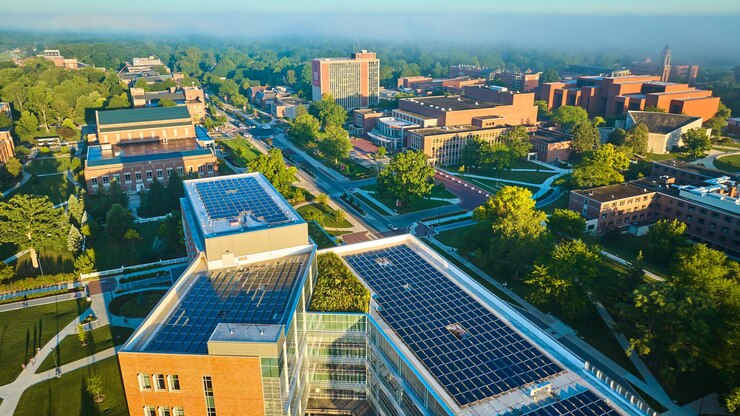


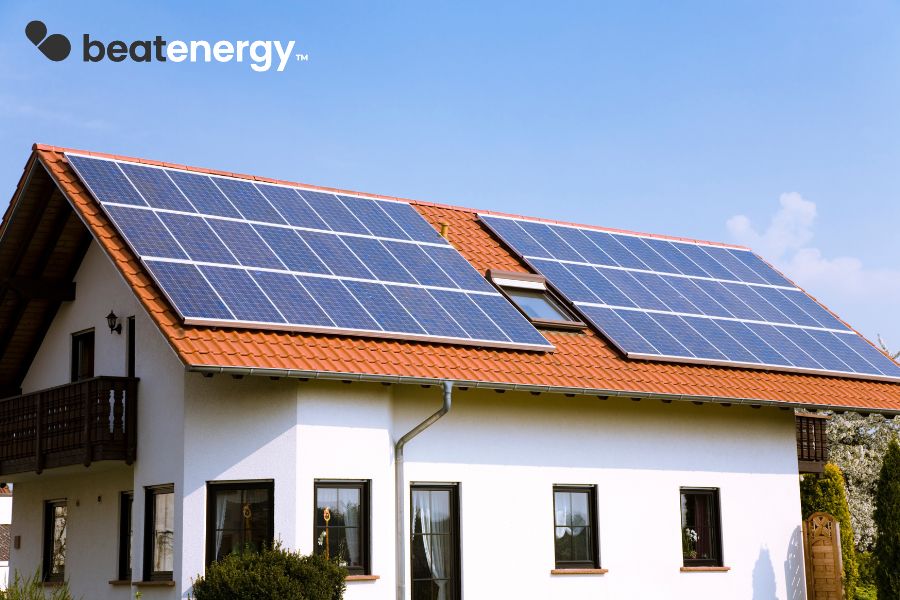
Solar energy has gained amazing popularity in recent times because it is the best renewable energy source.
It comes from converting sunlight into electricity, and since sunlight is an infinite source of energy, we can say that we can get power eternally.
The main component that makes it possible is solar panels. They are made up of photovoltaic cells, which will absorb sunlight and convert it into a stream of current known as DC or direct current.
But the electrical components that we use in our house cannot use DC. Therefore, we need to convert it into AC or Alternating current first. The component that makes it possible is called the Inverter.
Solar panels in a domestic or commercial solar power plant harness sunlight to produce energy. They are designed to capture sunlight during the day by making use of the photovoltaic effect to convert this natural resource into usable energy.
The key component at the core of a solar panel is a silicon cell. It gets activated when exposed to sunlight. The interaction of sunlight generates an electron beam, which initiates a flow of electric current through the circuit. This is the fundamental working principle of a solar panel.
Let’s understand the whole process about the solar system.
Installation of solar panels
Solar panels are installed in a suitable place on your roof or other suitable location. They should be installed at a place where they receive maximum sunlight.
Photovoltaic Effect
The cells in the solar panels are called PV cells. They are made of semiconductor materials, normally silicon.
When the sunlight strikes the surface of these cells, the electrons start moving. This movement generates a flow of electric current.
Generation of Current
Due to the movement of electrons through semiconductor material, direct current (DC) electricity generated.
Conversion to Alternating Current (AC)
DC electricity flows in a single direction, and our household electrical components cannot use it. Hence, the DC electricity is first converted into AC (alternating current) electricity with the help of an Inverter.
Distribution
The AC electricity is then sent from the inverter to the electrical panel in the house, called a breaker box.
From the electrical panel, the electricity is distributed in the house to power all appliances and devices.
Utility metering and grid connection
If the solar panel system produces more electricity than the need of the household, then the excess electricity can be sent back to the grid through a system known as utility metering.
The utility meter records the amount of electricity sent to the grid, and credits are given to the generating system. This is called a feed-in tariff.
Nowadays, all domestic and commercial solar panels are connected to the utility metering system.
Apart from that, it is also possible to install a solar battery. This will store the excess energy for later use.
Monitoring and system maintenance
Most solar panel systems are installed with a monitoring system also. It allows the user to track the performance of panels and ensure that they work efficiently.
Regular maintenance keeps the solar power system in good health.