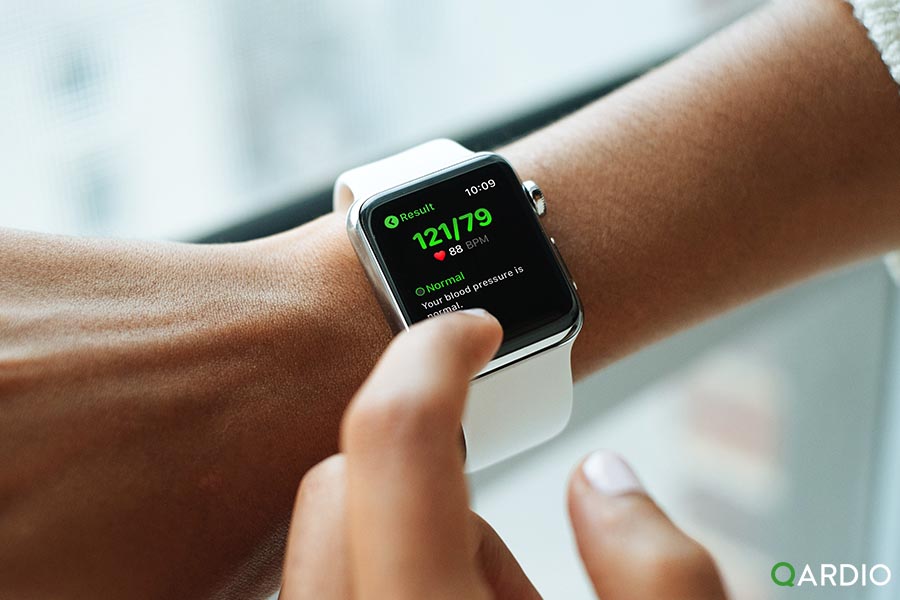


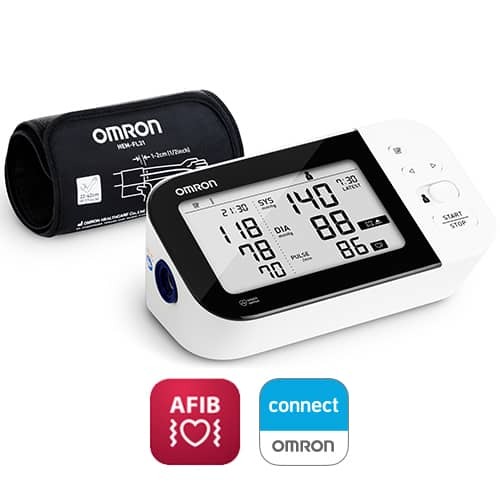
Wearable blood pressure monitors are reshaping how individuals and healthcare systems approach cardiovascular health management. Unlike traditional cuff-based devices, wearable monitors enable continuous or frequent, non-invasive blood pressure readings throughout the day. These developments offer potential improvements in early hypertension detection, real-time health monitoring, and long-term disease management. However, questions about reliability, data interpretation, and integration into clinical workflows remain.
This article explores how wearable blood pressure monitors are being incorporated into long-term health tracking, focusing on their potential benefits, technical limitations, and practical considerations.
The Shift Toward Continuous Monitoring
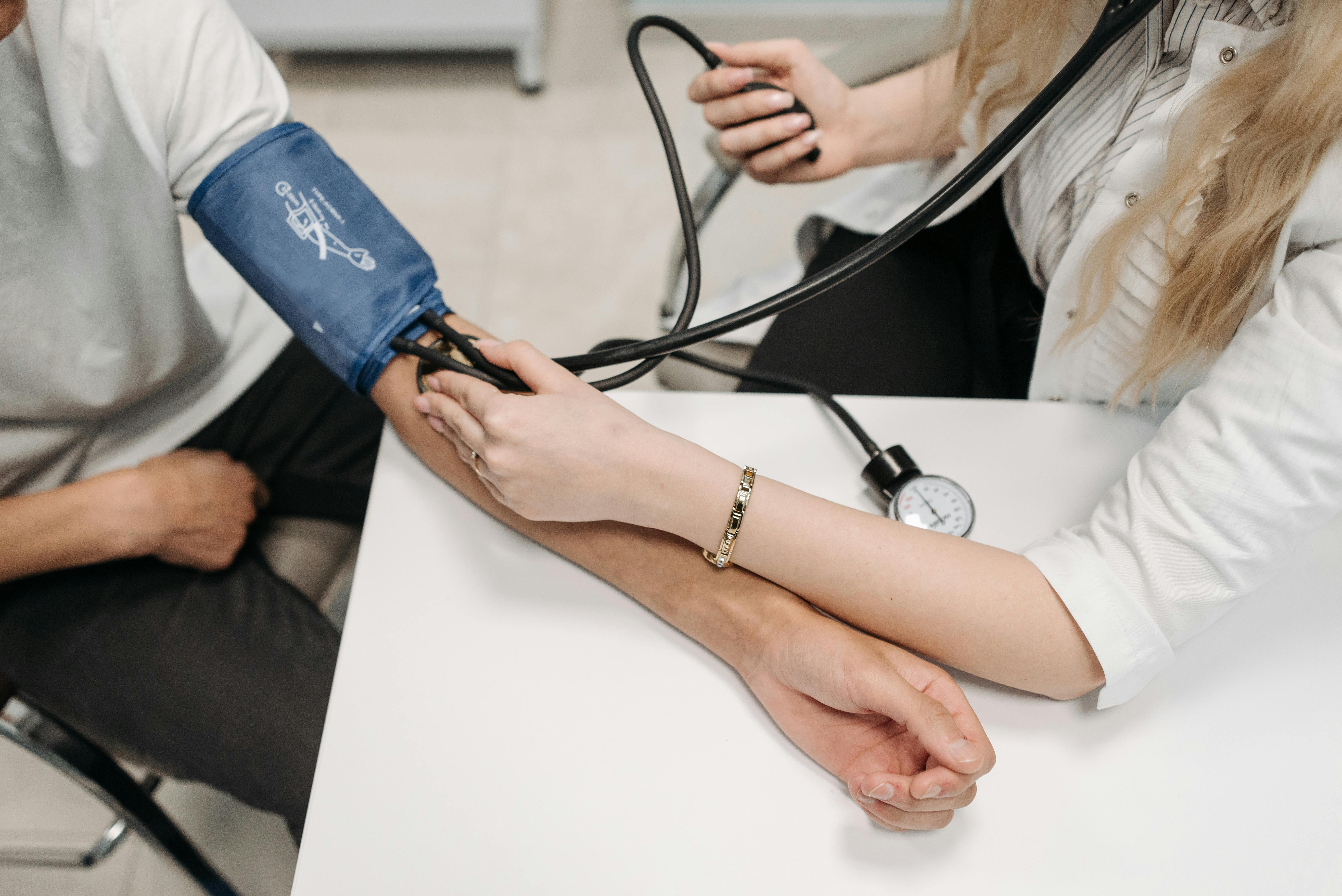
Conventional blood pressure monitoring methods rely on sporadic, single-point measurements taken in clinical settings or at home using cuff-based devices. These snapshots, while useful, may miss blood pressure fluctuations caused by daily activities, stress, sleep, or physical exertion.
Wearable monitors aim to overcome this limitation by providing a continuous or semi-continuous flow of data. This allows for better assessment of circadian blood pressure patterns, identification of masked or white-coat hypertension, and detection of abnormal spikes that may go unnoticed during routine checks.
In long-term health management, this shift enables more personalised care and the possibility of earlier intervention, particularly for individuals at risk of cardiovascular disease.
Technological Approaches in Wearable Monitoring
Wearable blood pressure monitors typically rely on one or more of the following technologies:
• Photoplethysmography (PPG): Uses light-based sensors to detect blood volume changes under the skin. Often paired with pulse transit time (PTT) or pulse wave velocity (PWV) calculations.
• Electrocardiography (ECG): Measures electrical activity of the heart to estimate the timing of cardiac cycles, often in combination with PPG.
• Cuff-based hybrids: Some wrist-worn devices include inflatable cuffs for more traditional readings, offering greater accuracy but limited wearability.
These technologies aim to estimate blood pressure without interrupting daily activities. However, cuffless devices often require calibration against a standard monitor and may experience drift over time.
Benefits in Long-Term Health Tracking
Integrating wearable blood pressure monitors into long-term health tracking presents several potential benefits:
• Trend Analysis: Continuous monitoring offers more granular insights into blood pressure variability, enabling trend analysis over days, weeks, or months.
• Early Detection: Repeated data points can help detect prehypertension or evolving hypertension earlier than occasional measurements.
• Behavioural Feedback: Users can observe how lifestyle factors—such as diet, exercise, and stress—impact blood pressure in near real time.
• Remote Monitoring: Healthcare providers can access patient data remotely, enabling proactive care and reducing the need for in-person visits.
For individuals with chronic conditions, this kind of integration supports more responsive and personalised treatment plans.
Challenges in Accuracy and Interpretation
Despite their promise, wearable blood pressure monitors face challenges related to measurement validity. Many devices are not yet clinically validated according to established standards. Factors such as motion artefacts, skin tone, sensor placement, and environmental conditions can affect signal quality and reading consistency.
Moreover, cuffless devices rely on algorithms that estimate blood pressure using surrogate markers. While these methods show potential, their accuracy often declines when physiological changes occur, such as during intense physical activity or in individuals with arrhythmias.
Another concern is the variability in measurement protocols between manufacturers, which can hinder consistent interpretation across devices and settings.
Integration into Healthcare Systems
For wearable monitors to play a significant role in long-term health management, seamless integration with healthcare infrastructure is essential. This includes:
• Data Interoperability: Devices must communicate effectively with electronic health records and health monitoring platforms.
• Privacy and Security: Handling large volumes of personal health data demands strict adherence to data protection regulations.
• Clinical Validation: Broad acceptance requires peer-reviewed evidence and regulatory approval demonstrating safety and accuracy.
Healthcare providers also need training on how to interpret continuous data and integrate it into decision-making without being overwhelmed by information.
Conclusion
Wearable blood pressure monitors represent a significant advancement in personal and clinical health tracking. By offering frequent and passive measurement capabilities, they can enhance the detection, monitoring, and management of hypertension and related conditions. However, their successful integration into long-term health tracking relies on improvements in accuracy, standardisation, and interoperability. Continued research and technological refinement will be crucial to unlocking their full potential in personalised and preventive care.