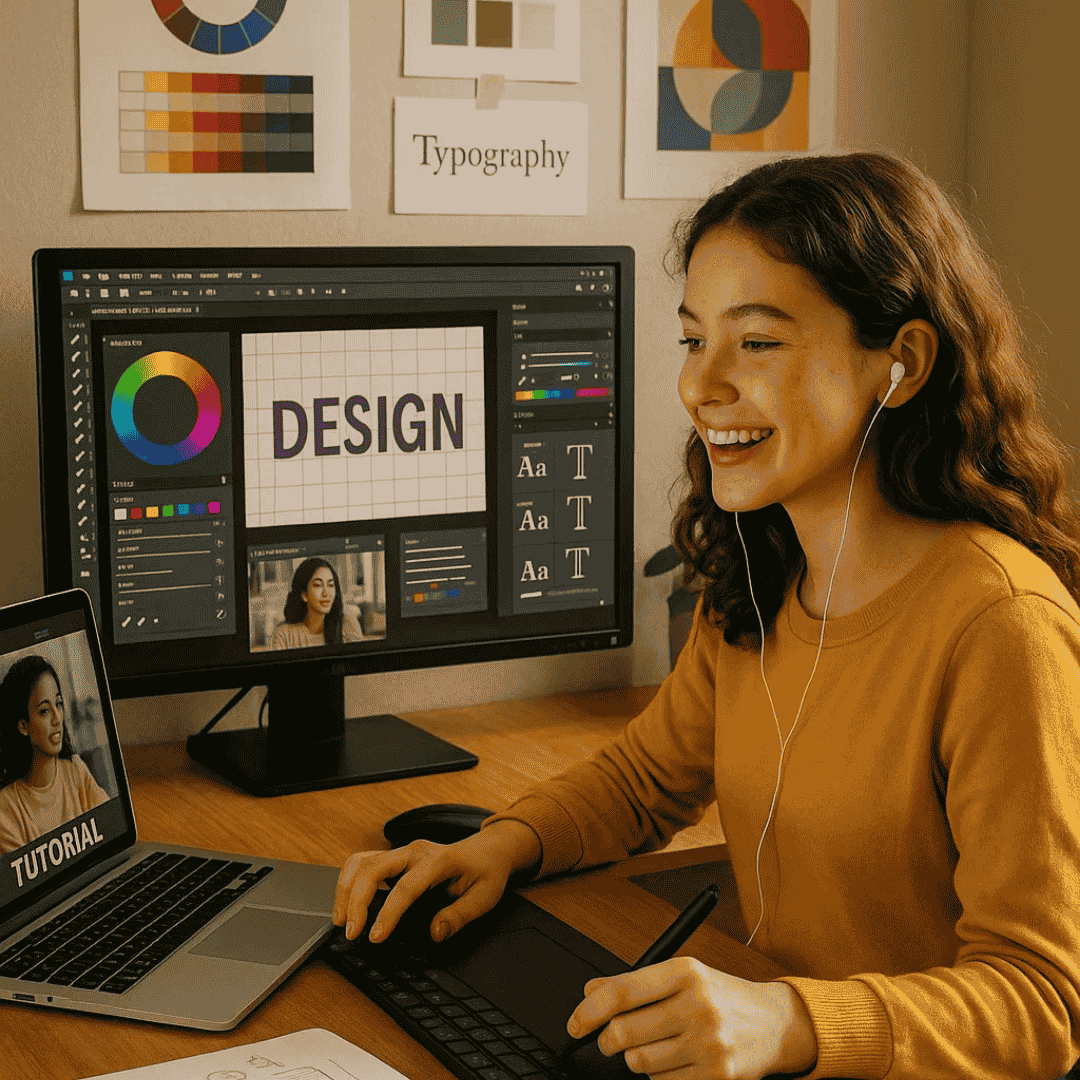
In today’s digital-first world, creativity isn’t just admired—it’s hired. If you’ve ever found joy in sketching, editing photos, or creating visuals on Canva or Photoshop, you might be sitting on a career goldmine without even realizing it. The graphic design industry is growing rapidly, not only in India but across the globe, and turning your passion into a full-time profession is more accessible than ever.
A graphic designing course is where creativity meets technology. But it’s not just about learning software or playing with fonts. A well-structured course teaches you how to think like a designer, work like a professional, and ultimately, earn like one. Let’s break down what exactly such a course can offer you—and why it might be the smartest move you make for your future.
1. Understanding the Foundation of Design Thinking
Before jumping into software tools, a good graphic design course begins by shaping how you see the world as a designer. You’ll learn design principles—like alignment, contrast, balance, hierarchy, and white space—that turn ordinary layouts into impactful visuals.
You’ll also get a grasp of color theory, typography, layout strategies, and visual storytelling. These aren’t just “nice-to-haves.” They’re the core of what makes any design effective and emotionally appealing. Understanding this foundation can help you create work that doesn't just look good but communicates well.
2. Hands-On Software Training
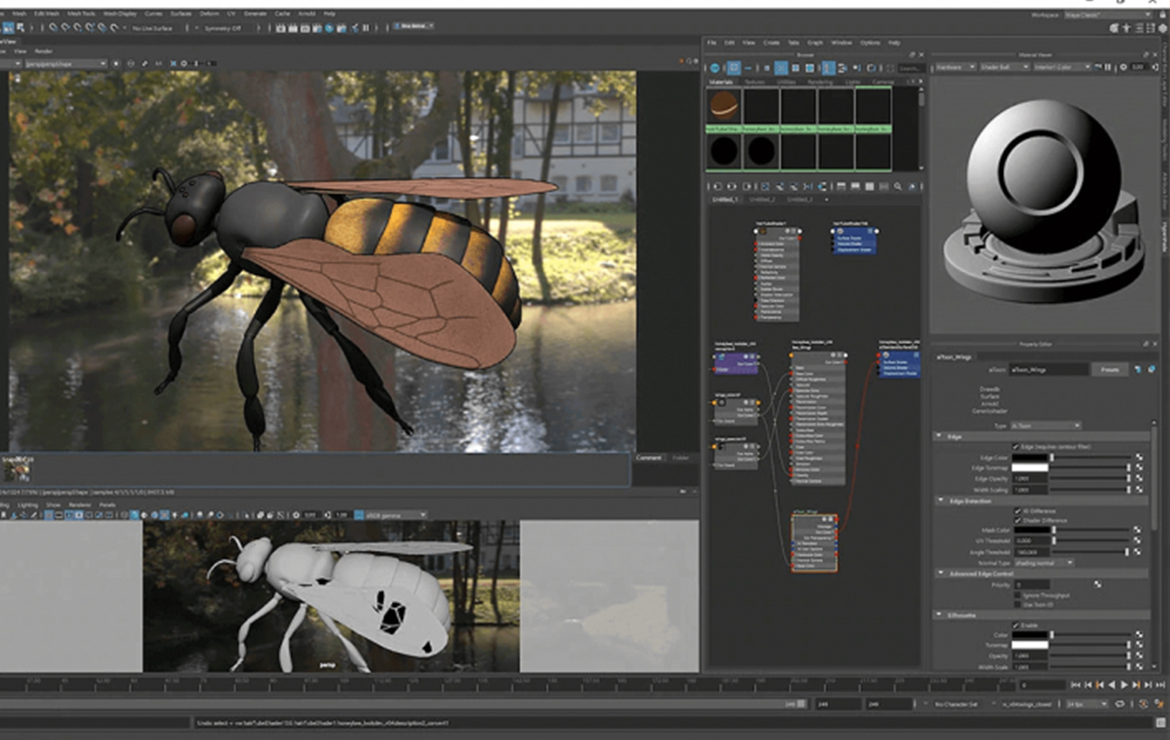
Passion needs precision—and that’s where tools come in. Graphic designing isn’t just sketching with a pencil anymore. You'll learn how to use industry-standard software like:
- Adobe Photoshop (for photo editing and manipulation)
- Illustrator (for vector-based logo and illustration design)
- InDesign (for layout-heavy work like brochures, magazines, and books)
- Figma or XD (for UI/UX design and prototyping)
The focus is on real-world usage. You won’t just click around buttons—you’ll complete projects that mimic client work, preparing you for freelance gigs or full-time jobs.
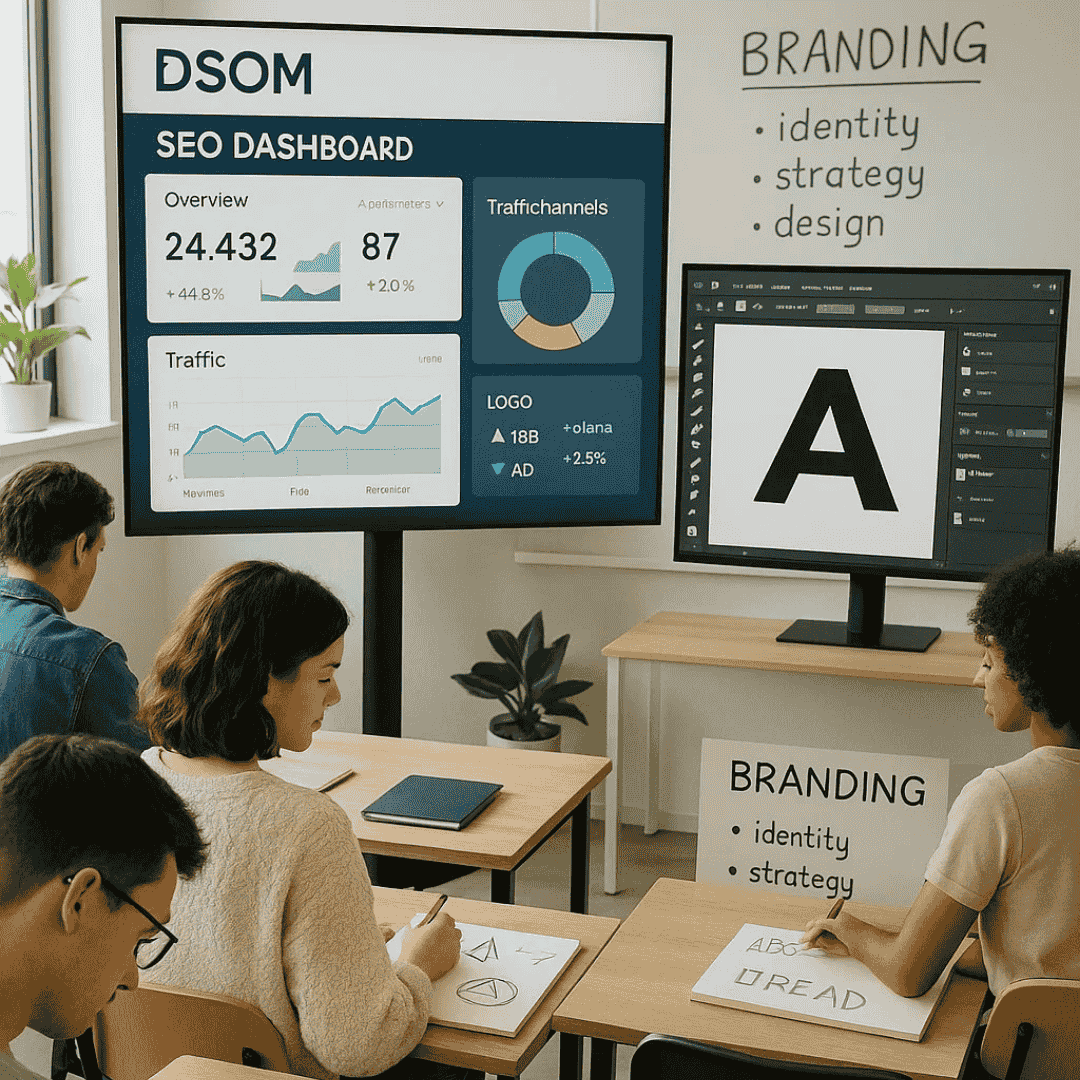
3. Mastering Branding and Visual Identity
Want to design logos that people remember? A graphic design course will teach you how to craft full brand identities—logos, colors, fonts, and guidelines—that businesses rely on to build trust. You’ll learn:
- How to build mood boards and brand strategy
- The psychology behind visual elements
- How to design for print and digital environments
This is crucial because clients don’t just want a “logo”—they want a brand presence that connects with their audience.
4. Building a Portfolio That Gets You Hired
Your portfolio is your passport into the creative industry. A great course won’t just teach you what to create; it’ll guide you in how to present it. By the end of the program, you’ll have:
- Multiple finished projects across different formats
- Case studies explaining your design process
- A strong Behance or personal website portfolio
This is often what sets students apart during job interviews or while pitching to freelance clients.
5. Introduction to UI/UX and Digital Product Design
Design today isn’t limited to posters and business cards. Graphic designers are now essential in creating intuitive user interfaces and digital experiences. You’ll explore basics of:
- App and website layout design
- Wireframing and prototyping
- User behavior and accessibility
- Responsive design principles
This skill set opens doors to a booming tech industry that values creativity in digital spaces.
6. Learning Real-World Problem Solving
Design is more than just making things look pretty. It’s about solving communication problems—visually. A course will put you through real-world scenarios like:
- Designing social media campaigns
- Creating product packaging
- Rebranding a company’s identity
- Developing visual assets for a start-up
This not only improves your creativity but also builds your confidence to deal with actual clients and deadlines.
7. Freelancing, Client Handling & Career Guidance
Passion may drive you but knowing how to monetize your skills is essential.
A course should include:
- Basic freelancing platforms like Fiverr, Upwork, Freelancer
- How to pitch and quote your work
- Understanding design contracts and copyrights
- Resume and interview preparation for design agencies or startups
Some institutes even host job fairs, conduct mock interviews, or help students land internships—steppingstones toward building your career.
8. Understanding Design Trends & Industry Tools
The design world moves fast. What was “modern” five years ago might look outdated today. This is why courses also teach:
- Latest design trends (flat design, gradients, motion graphics, etc.)
- Collaborating with teams using tools like Trello, Slack, and Notion
- Using AI-powered tools like Adobe Firefly or Canva’s Magic Studio
Staying updated not only improves your work but shows future employers or clients that you’re serious about your craft.
Final Thoughts
Graphic designing course in Dehradun is Where you learn how to create, communicate, and innovate visually, you become a valuable asset in nearly every industry. From startups to big media houses, from fashion brands to app developers, everyone needs a visual storyteller.
So, if your passion lies in colors, shapes, stories, and screens—this course won’t just sharpen your skills. It’ll give your talent a direction.
Whether you're looking to freelance, join an agency, or even build your own brand—the right training program can be your launchpad.