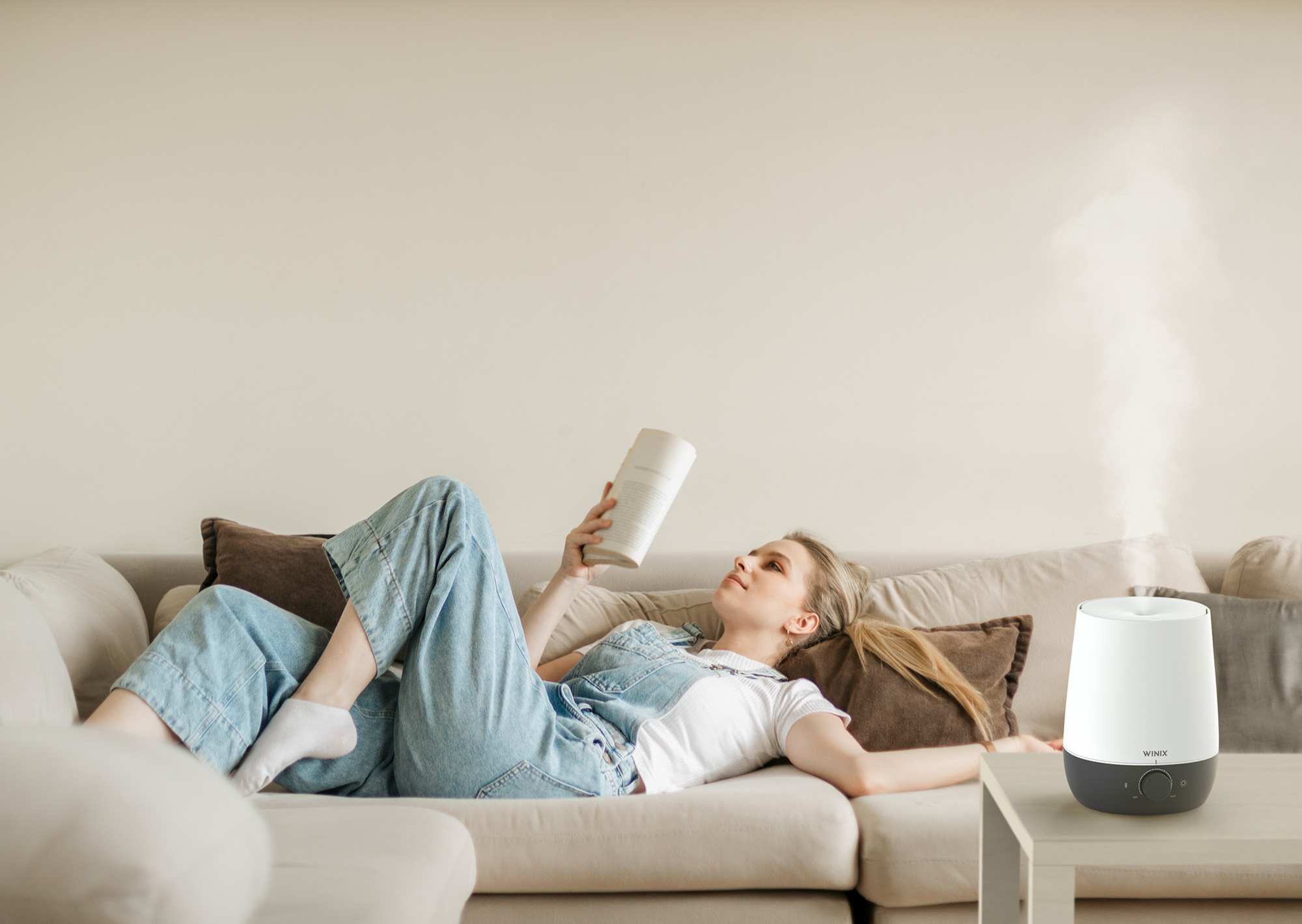


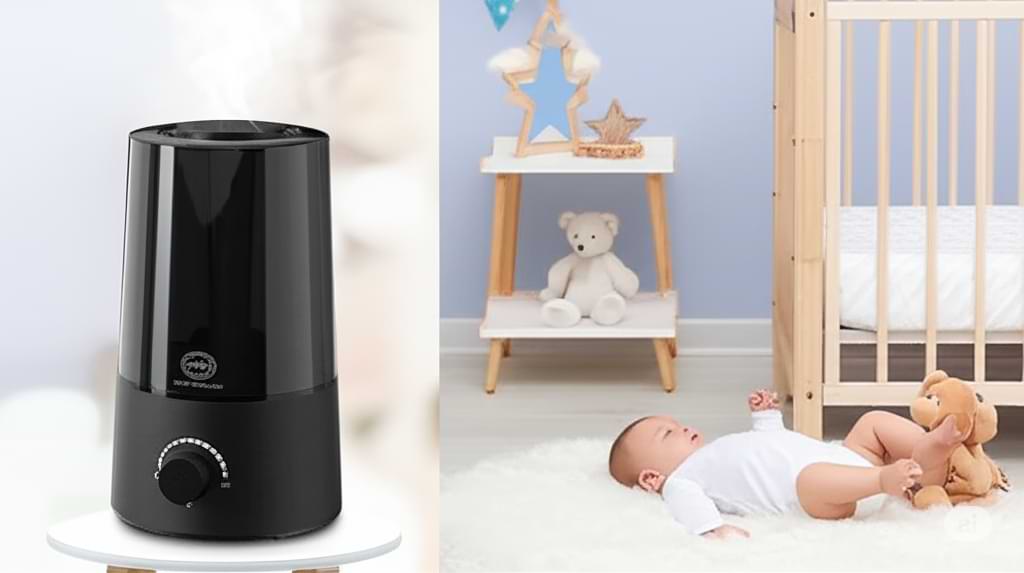
When preparing a nursery, most parents focus on cribs, monitors, and cute decor—but one of the most overlooked essentials is a humidifier. Babies are especially vulnerable to dry air, which can lead to a variety of discomforts, from dry skin to nasal congestion. A good room humidifier helps maintain optimal indoor humidity levels, creating a safer and more comfortable environment for your child.
In this article, we’ll explore why using a humidifier for babies is beneficial, the different types available, safety tips, and how to choose the right home humidifier for your baby’s room.
Why Do Babies Need a Humidifier?
Newborns and infants have smaller nasal passages and more sensitive skin than adults. Dry indoor air—especially during winter or in air-conditioned homes—can lead to:
• Congestion or blocked noses
• Dry, itchy, or irritated skin
• Difficulty sleeping due to dry throat or coughing
• Increased risk of nosebleeds or sinus infections
Using a humidifier helps restore moisture in the air, easing these symptoms and supporting your baby’s overall comfort and health.
Top Benefits of a Humidifier in Your Baby's Room
1. Relieves Nasal Congestion and Coughs
Babies can’t blow their noses. Dry air can cause their nasal passages to become irritated or blocked, leading to fussiness, poor sleep, and feeding difficulties. A room humidifier helps keep the nasal lining moist and supports easier breathing.
2. Promotes Better Sleep
Humidity levels between 40–60% help babies breathe more comfortably during sleep. Moist air soothes dry throats and reduces nighttime coughing, promoting longer and more restful sleep.
3. Prevents Dry Skin and Eczema Flare-Ups
Many babies experience dry, flaky skin. Using a home humidifier adds moisture to the air, which helps prevent skin irritation and may reduce eczema flare-ups.
4. Reduces Risk of Illness
Moist air helps keep mucous membranes in the respiratory system moist, which acts as a natural defense against airborne viruses and bacteria. This can reduce the risk of colds and other infections.
5. Protects Wooden Nursery Furniture
As a bonus, keeping humidity at healthy levels also protects wooden cribs and furniture from cracking or warping.
Types of Humidifiers for Babies
Choosing the right humidifier can be overwhelming. Here are the most common types:
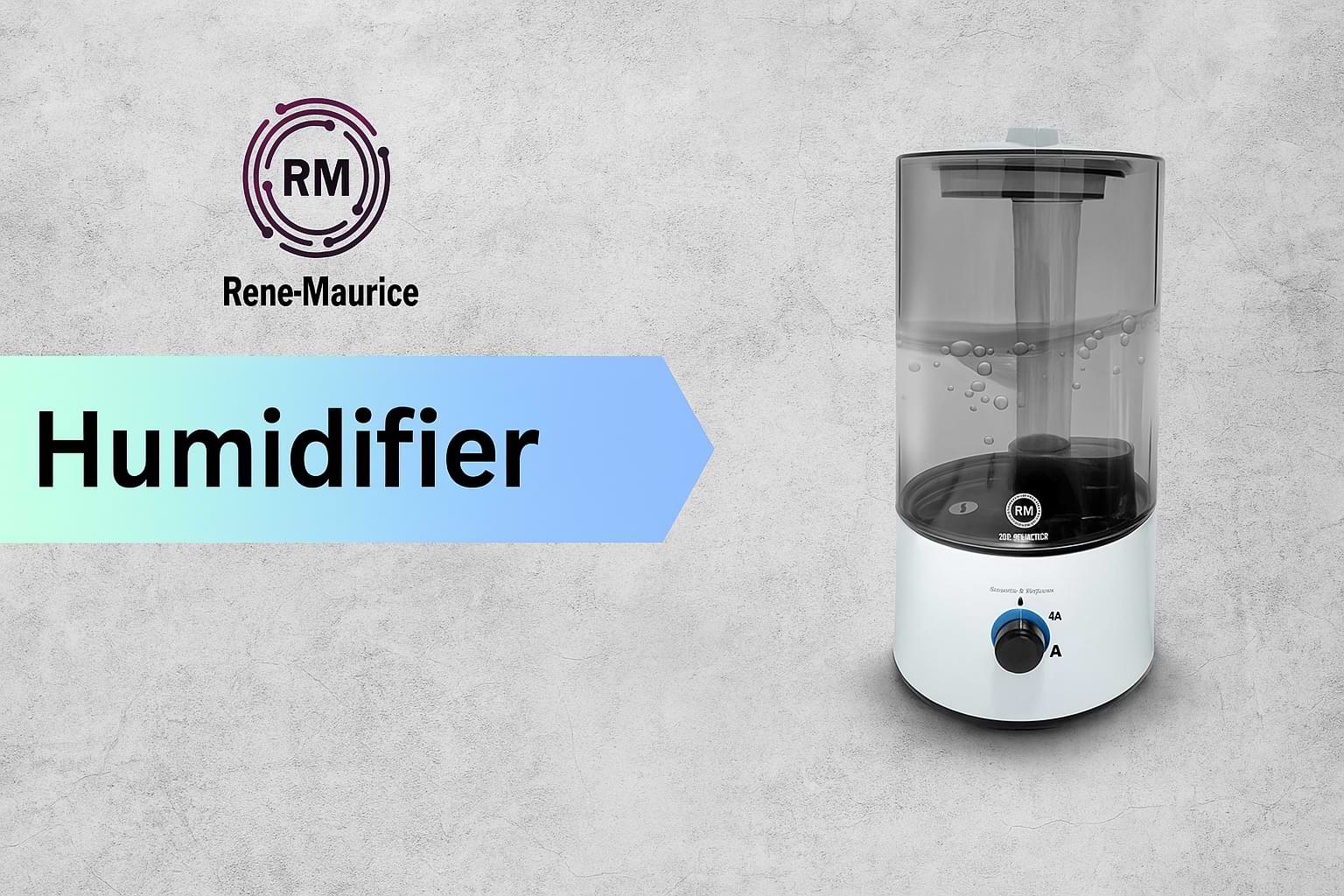
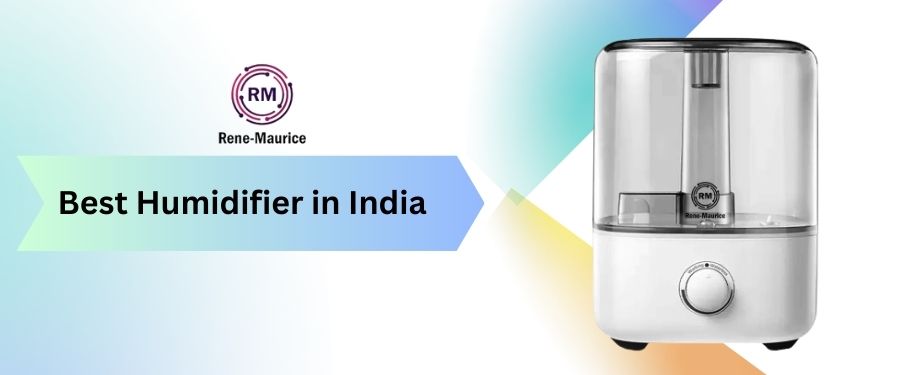
1. Cool Mist Humidifier (Recommended)
• Uses ultrasonic or evaporative technology to release a cool mist.
• Safer for nurseries as it doesn’t involve hot water or steam.
• Quiet operation, ideal for light-sleeping infants.
2. Warm Mist Humidifier
• Boils water to release warm vapor into the air.
• Can kill more germs but is not ideal for babies due to burn risks.
• Not recommended unless placed completely out of reach.
3. Ultrasonic Humidifier
• Produces fine mist using high-frequency vibrations.
• Quiet and energy-efficient.
• May require distilled water to prevent white dust from forming.
Features to Look for in a Baby Humidifier
When shopping for a room humidifier or home humidifier for your baby's nursery, consider the following features:
1. Quiet Operation
Babies are light sleepers. Look for ultrasonic models that operate quietly without motor noise.
2. Auto Shut-Off
Safety is crucial. Choose a model that shuts off automatically when the water tank is empty.
3. Filterless Design or Easy Maintenance
Some humidifiers come with filters that need regular replacing. A filterless design is more convenient, but always ensure the unit is easy to clean to prevent mold growth.
4. Adjustable Mist Levels
Being able to control mist output ensures you can adapt to changing room conditions.
5. Night Light or Soft Glow
Some home humidifiers include built-in nightlights, which can double as a comforting glow during nighttime feedings or diaper changes.
Where to Place a Humidifier in a Nursery
Correct placement of your humidifier ensures safety and efficiency. Here’s how:
• Place it on a raised, stable surface, like a dresser—not on the floor or crib.
• Keep it out of reach of children.
• Ensure it’s at least 3 feet away from the crib to avoid excess dampness.
• Position it in a central location for even mist distribution.
How to Clean and Maintain a Baby Humidifier
A humidifier can do more harm than good if not properly maintained. Mold and bacteria can accumulate in the tank and be released into the air. Follow these tips:
• Empty and rinse the tank daily.
• Use distilled or filtered water to prevent mineral buildup.
• Deep clean the device once a week with vinegar and water.
• Dry completely before refilling.
Humidifier Safety Tips for Babies
• Never use essential oils unless the manufacturer says it's safe. Many oils can be harmful to babies.
• Avoid over-humidifying—too much moisture can promote mold growth. Use a hygrometer to monitor room humidity.
• Keep electrical cords hidden or secured to prevent tripping or pulling.
Conclusion
A humidifier for babies is more than just a comfort item—it can play a vital role in your infant’s respiratory health, skin condition, and sleep quality. Whether you opt for a room humidifier or a compact home humidifier for your nursery, the benefits are clear: better sleep, fewer sniffles, and a more comfortable environment for your little one.
Choose a cool-mist ultrasonic model for safety and effectiveness, and always maintain it properly for optimal results. In the world of baby care, small changes—like adding a humidifier—can make a big difference.
FAQs
1. Is a cool mist or warm mist humidifier better for babies?
Cool mist humidifiers are generally recommended for babies because they’re safer and effective at relieving congestion.
2. Can I use tap water in a baby’s humidifier?
It’s best to use distilled or filtered water to avoid mineral buildup and white dust that may be irritating.
3. How often should I clean my baby's humidifier?
You should rinse it daily and deep clean it once a week to prevent mold and bacteria growth.
4. What humidity level is ideal for a baby’s room?
The optimal humidity level for babies is between 40–60%. Use a hygrometer to monitor it accurately.
5. Can I add essential oils to my baby's humidifier?
Unless the humidifier is specifically designed for essential oils, do not add them. Many essential oils can be harmful to infants.