


What Financial Reports Should a CPA for Manufacturing Generate Monthly?
In the competitive and cost-driven world of manufacturing, having a clear view of your financial health isn't just a nice-to-have it's a necessity. Whether you’re running a small fabrication shop or a large-scale production facility, monthly financial reporting is essential for operational success and long-term growth. This is where a specialized CPA for manufacturing plays a critical role.
At CPA Clinics, we understand the unique complexities that manufacturing businesses face. From inventory tracking to cost allocation and compliance, accurate financial reporting is at the heart of smart decision-making. In this article, we’ll explore the most essential financial reports a CPA for manufacturing should generate monthly and how each contributes to running a lean, profitable operation.
Why Monthly Reporting Matters in Manufacturing
Unlike service-based businesses, manufacturing companies have dynamic cost structures. They deal with raw materials, labor, production overheads, machinery, warehousing, and logistics all of which must be monitored closely. Monthly financial reporting allows business owners and managers to:
• Identify cost inefficiencies early
• Monitor profit margins per product line
• Stay compliant with tax and regulatory obligations
• Forecast cash flow and capital needs
• Make informed strategic decisions
A CPA for manufacturing doesn’t just record numbers they interpret them to help you achieve sustainable profitability.
1. Income Statement (Profit & Loss Statement)
Purpose:
The income statement shows your manufacturing company’s revenues, costs, and expenses over the month. It’s the most commonly used report for tracking profitability.
Key Metrics to Include:
• Total sales (broken down by product line or customer)
• Cost of goods manufactured (COGM)
• Gross profit margin
• Operating expenses
• Net profit or loss
Why It Matters:
Manufacturers often experience fluctuating margins due to raw material prices, seasonal demand, or inefficiencies in production. A CPA for manufacturing ensures that the income statement reflects actual margins, helping management optimize pricing, reduce overhead, or adjust production volumes.
2. Balance Sheet
Purpose:
The balance sheet provides a snapshot of your company’s financial position at the end of the month. It details what you own (assets), what you owe (liabilities), and your company’s net worth (equity).
Key Components:
• Current assets (cash, accounts receivable, inventory)
• Fixed assets (equipment, machinery, property)
• Current and long-term liabilities
• Owner’s equity
Why It Matters:
A CPA for manufacturing uses the balance sheet to monitor inventory levels, asset depreciation, and liabilities like vendor payables and loans. It also gives banks and investors a view of your financial stability.
3. Cash Flow Statement
Purpose:
This report tracks how cash moves in and out of your business during the month. It’s divided into operating, investing, and financing activities.
Key Inclusions:
• Cash from product sales
• Cash paid for raw materials, payroll, and overhead
• Loan payments and capital investments
Why It Matters:
Even a profitable manufacturer can go out of business due to poor cash flow. A CPA for manufacturing ensures you understand whether your operations are generating or consuming cash a critical insight for daily operations and funding decisions.
4. Cost of Goods Manufactured (COGM) Report
Purpose:
This report details the total production cost incurred during the month. It includes all direct and indirect costs involved in turning raw materials into finished goods.
Components:
• Direct materials used
• Direct labor costs
• Manufacturing overhead (utilities, equipment maintenance, depreciation)
Why It Matters:
COGM is a foundational input for the income statement. A CPA for manufacturing ensures this report is accurate so you can price your products correctly, control production costs, and reduce waste.
5. Inventory Report
Purpose:
Inventory is one of the most critical assets in a manufacturing company. This report tracks the quantity and value of raw materials, work-in-progress (WIP), and finished goods.
What to Include:
• Beginning and ending inventory balances
• Inventory turnover ratio
• Obsolete or slow-moving stock
• Adjustments for shrinkage or spoilage
Why It Matters:
A CPA for manufacturing helps you avoid overstocking or understocking, both of which can damage cash flow and operations. This report also ensures proper inventory valuation under GAAP or IFRS standards.
6. Job Costing Report
Purpose:
This report breaks down the cost per job, batch, or production run. It tracks the resources consumed for specific manufacturing jobs.
Components:
• Material usage per job
• Labor hours per job
• Overhead allocated per job
• Job profitability
Why It Matters:
For custom or project-based manufacturers, job costing is essential. A CPA for manufacturing uses this report to compare estimated vs. actual costs and identify which jobs are most profitable or draining your resources.
7. Accounts Receivable Aging Report
Purpose:
This report shows all outstanding customer invoices categorized by the length of time they’ve been unpaid (e.g., 0–30, 31–60, 61–90+ days).
Why It Matters:
Cash flow problems often arise from slow collections. A CPA for manufacturing uses this report to follow up on overdue invoices and improve collection strategies. It’s also a useful tool for credit control and customer relationship management.
8. Accounts Payable Aging Report
Purpose:
This report lists all your unpaid supplier invoices, sorted by due date.
Why It Matters:
Staying on top of payables avoids late fees, maintains good vendor relationships, and improves cash flow. A CPA for manufacturing uses this to plan payments, take advantage of early-payment discounts, or renegotiate terms with suppliers.
Conclusion:
Monthly financial reporting is the foundation of a healthy manufacturing business. From tracking production costs to managing cash flow and evaluating profitability, the right financial reports tell the story behind your numbers. With a specialized CPA for manufacturing by your side, you gain more than compliance you gain clarity, strategy, and control.
If you're ready to elevate your manufacturing operations with expert monthly reporting, contact CPA Clinics today and discover how we help you build a more profitable, more sustainable business.
We specialize in accounting solutions tailored for the manufacturing industry. Our expert CPAs help manufacturers streamline their finances, manage costs, and stay compliant with industry regulations. From monthly financial reporting to inventory analysis and tax strategy, CPA Clinics delivers the insights you need to grow efficiently and profitably.

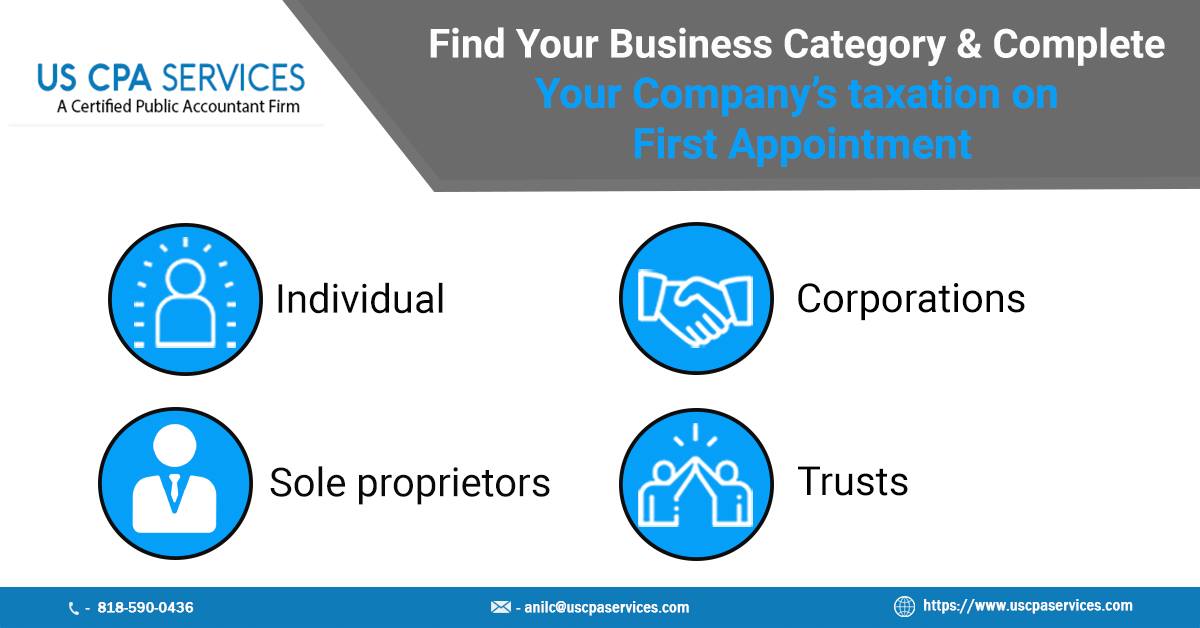
Tax planning and preparation is a pivotal task, and most people need the assistance of an experienced tax planner to complete the same.
Therefore, US CPA services is the most trustworthy name in tax planning and preparation.
They are a 5-star tax preparer, providing the best tax services in the California area.
It is the brainchild of Mr. Anil Chugh, a registered California CPA, and an expert finance professional with 25+ years of experience.
They have expertise in the various facets of finance and accounting.
It is their experience and expertise which have propelled them to be among the best CPA firms in California.