

Quantum computing may sound like something out of a science fiction film, but it is becoming a real and powerful technology. It holds the potential to transform industries such as healthcare, cybersecurity, and finance. If you are just getting started, understanding quantum computing basics is the perfect first step.
In this guide, we will break down the essential concepts in a simple and professional way, so that anyone can begin to explore this exciting field.
What Is Quantum Computing?
To understand quantum computing basics, it helps to start with how it differs from classical computing.
Traditional computers use units called bits to store and process information. Each bit can hold a value of either 0 or 1. These bits follow the rules of classical physics.
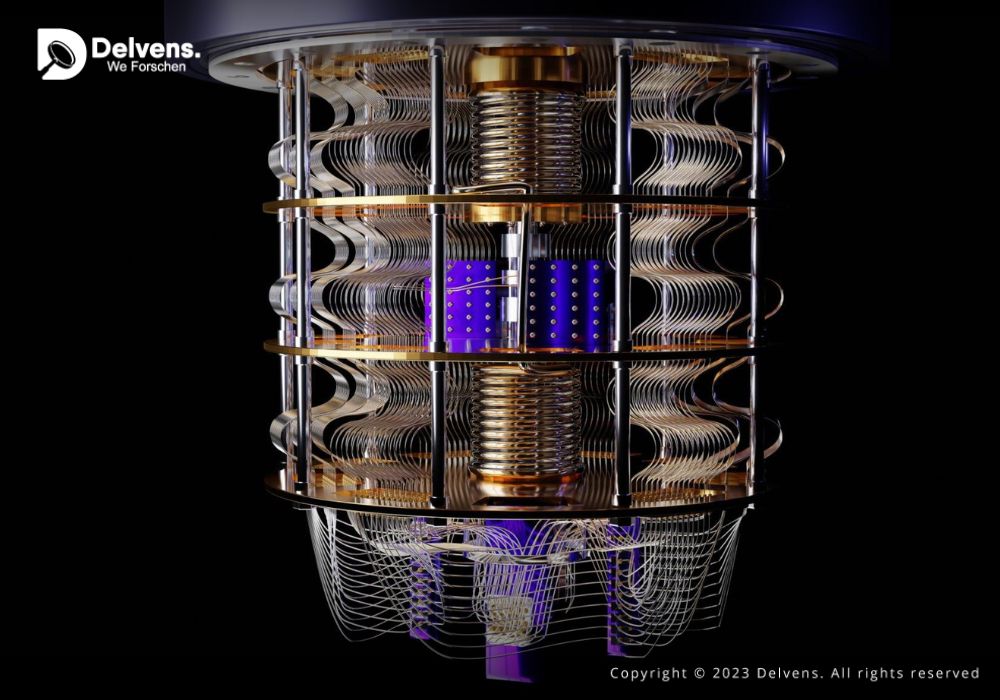
Quantum computers, on the other hand, use qubits. Qubits are different because they follow the rules of quantum mechanics. A qubit can be in a state of 0, 1, or both at the same time. This unusual property is called superposition.
Qubits can also be linked together using a property known as entanglement. When qubits are entangled, changing the state of one qubit instantly affects the state of the other, no matter how far apart they are.
These quantum properties allow quantum computers to perform calculations that would take classical computers thousands of years.
Why Are Quantum Computers Important?
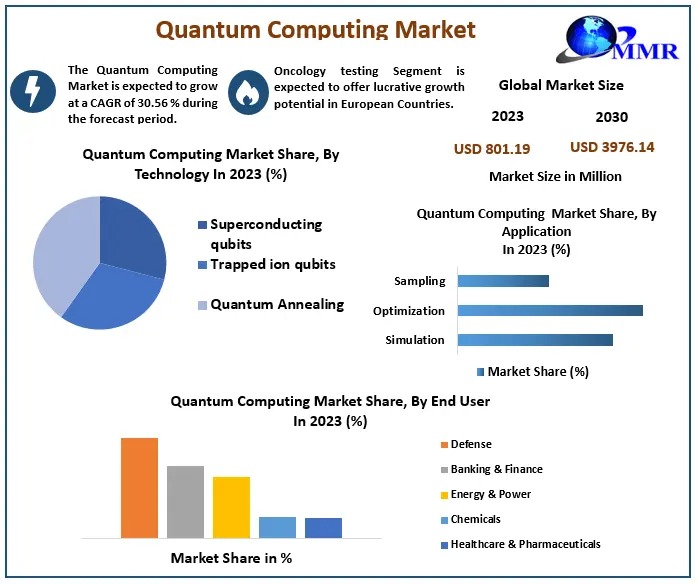
Quantum computing is not just a scientific curiosity. It has real-world applications and is already being explored by companies like IBM, Google, and Microsoft.
By understanding quantum computing basics, you can begin to appreciate how this technology could impact areas such as:
Cryptography: Quantum computers could break current encryption systems and also create new, more secure methods.
Drug discovery: Simulating molecules at the quantum level could lead to faster and more accurate drug development.
Optimisation: Industries such as logistics and finance could benefit from solving complex optimisation problems much faster.
Learning the basics today puts you in a strong position as the demand for quantum skills continues to grow.
Key Concepts in Quantum Computing Basics
Here are the main ideas that form the foundation of quantum computing.
1. Qubits
Qubits are the basic units of information in quantum computing. Unlike classical bits, they can hold multiple states at once.
2. Superposition
This is the ability of a qubit to be in both the 0 and 1 state at the same time. It allows quantum computers to handle many calculations simultaneously.
3. Entanglement
Entangled qubits share a connection. Changing the state of one affects the other, no matter the distance between them. This property is used to build powerful quantum algorithms.
4. Quantum Gates
Quantum computers use quantum gates to manipulate qubits. These gates are similar to logic gates in classical computers but operate using the rules of quantum mechanics.
5. Measurement
When you measure a qubit, it collapses into either a 0 or 1. The act of measuring affects the system, which is a key difference from classical systems.
How to Learn More About Quantum Computing
Now that you understand the quantum computing basics, you might be wondering how to take the next step.
Start with Free Courses
Platforms like Coursera, edX, and YouTube offer beginner-friendly introductions to quantum computing. Many of these require only a basic knowledge of maths and programming.
Explore Quantum Programming
Python is commonly used in quantum computing. Libraries such as Qiskit (by IBM) and Cirq (by Google) allow you to write and run quantum programs on simulators or real quantum computers in the cloud.
Use Online Simulators
You can experiment with real quantum circuits through free online tools. IBM Quantum Experience and Microsoft Azure Quantum are excellent places to start practising.
Join a Learning Community
There are many online communities where learners share resources and help each other. Look for forums, Discord groups, and virtual events related to quantum computing.
Final Thoughts
Quantum computing is still an emerging field, but now is the perfect time to get involved. By learning the quantum computing basics, you are preparing yourself for a future where this technology may become a central part of everyday life.
You do not need to be a physicist to begin. With curiosity, consistent learning, and the right resources, anyone can start their journey into the world of quantum computing.
Whether you are a student, a developer, or just someone interested in new technologies, understanding the basics today could open doors to exciting opportunities tomorrow.