
When employees step out to do their job—whether delivering packages, conducting utility work, or performing inspections—they face many risks. Among the most underestimated is the risk of dog bites. Every year, thousands of employees suffer from dog-related injuries that could have been prevented with the right training and awareness. Employee dog bite prevention isn't just about avoiding pain; it’s about ensuring long-term safety, reducing liability, and building confidence for your workers.
In this guide, we’ll explore practical strategies to keep employees safe, focusing on high-risk roles like package carriers, utility personnel, and lone workers. From body language interpretation to escape techniques, preparation is your best defense.
Why Dog Bite Prevention Matters for Employees
Dog bite incidents aren’t rare. According to the U.S. Postal Service, thousands of their employees are attacked by dogs each year. This problem isn't limited to postal workers. Utility employees, salespeople, delivery drivers, and even real estate agents frequently find themselves face-to-face with potentially aggressive dogs.
Workplace safety policies must include robust employee dog bite safety training. This is especially important for businesses with lone workers—those who operate without immediate backup or oversight. Whether the employee is on foot or in a vehicle, a surprise encounter with a territorial dog can escalate quickly.
High-Risk Professions for Dog Bites
1. Package Carriers
Few jobs put workers into unfamiliar territories more often than package delivery. With the rise of e-commerce, package carriers are more exposed than ever. Dogs are naturally protective of their territory, and a stranger approaching the front door can trigger aggression. That’s why package carrier dog bite prevention training should be mandatory.
- Key strategies for carriers:
- Never assume a dog is friendly, even if it appears relaxed.
- Carry visible deterrents like dog spray or a bite stick.
- Avoid sudden movements and never run.
2. Lone Workers
Lone workers face a heightened risk. They often don’t have a partner to help de-escalate a situation or call for help. Utility workers, inspectors, and maintenance personnel may enter backyards, basements, or secluded areas where dogs roam freely.
- Lone worker dog bite prevention requires specialized training, including:
- Risk assessment before entering a property.
- Recognizing canine warning signs.
- Maintaining situational awareness and having an exit strategy.
3. Field Service Employees
From HVAC technicians to cable installers, field service employees work on customer premises, often where dogs are unrestrained. Many bites occur not due to outright aggression but because the employee misreads the dog’s signals or invades its comfort zone.
Recognizing Canine Body Language
Understanding a dog’s body language is crucial in employee dog bite prevention. Many bites are preventable if employees recognize early warning signs.
Watch for these indicators:
- Aggression signs: Ears pinned back, growling, bared teeth, stiff body posture.
- Fear signals: Tucked tail, lip licking, yawning, trying to retreat.
- Defensive postures: Raised hackles, sideways glance, lunging in place.
If a dog shows any of these signs, employees should not attempt to approach, pet, or pass by closely. Instead, they should create distance calmly and use voice commands if trained to do so.
Tools and Equipment for Dog Bite Safety
The right tools can make a critical difference. Many companies invest in non-lethal, humane equipment to empower their workers to protect themselves.
Common safety tools include:
- Dog deterrent spray: Creates a temporary discomfort without permanent harm.
- Break sticks: Help employees create space during an aggressive encounter.
- Ultrasonic deterrents: Emit a sound dogs dislike, discouraging aggressive behavior
- Bite-resistant sleeves and protective gear: Add a physical layer of defense.
Providing these tools is only part of the solution. Employees must know how and when to use them through proper employee dog bite safety training.
Training: The Cornerstone of Prevention
A comprehensive training program should be tailored to the specific challenges faced by your workers. Role-specific training ensures that package carriers, lone workers, and field staff all receive the knowledge most relevant to their environment.
- Effective training includes:
- Simulated encounters to build real-world confidence.
- Education on canine behavior and warning signs.
- Emergency response strategies if a bite does occur.
- Legal guidelines and reporting procedures.
Training doesn’t just reduce injuries—it also boosts morale. Workers feel more confident and valued when their employer takes active steps to protect them.
What to Do After a Dog Bite Incident
Despite precautions, bites can still happen. What an employee does next can affect their recovery, legal rights, and company liability.
Steps to take:
- Get medical attention immediately, even for minor wounds. Dog saliva can contain harmful bacteria.
- Report the incident to the appropriate supervisor and, if necessary, animal control authorities.
- Document everything—photos of the injury, description of the dog, and property details.
- Evaluate safety protocols to determine what can be improved in future training.
- Having a post-incident procedure in place shows a commitment to safety and helps reduce repeat occurrences.
Creating a Culture of Safety
Companies that prioritize employee dog bite prevention set themselves apart. Prevention is not just a checklist; it’s a culture. Supervisors, managers, and field staff should all take dog bite risks seriously and support one another through communication, education, and accountability.
Encourage employees to:
- Report high-risk areas where dogs are commonly unrestrained.
- Share experiences that can help colleagues stay alert.
- Keep safety tools accessible and in good condition.
With the right mindset, tools, and training, companies can significantly reduce the risk of dog bites and protect their most valuable asset—their people.
Conclusion
Dog bite prevention isn’t just about avoiding injury—it’s about confidence, professionalism, and responsibility. Whether you're a package carrier dropping off a box, a lone worker checking utility meters, or any employee who steps onto private property, you deserve to be protected.
By prioritizing employee dog bite safety, offering real-world training, and equipping workers with the tools they need, employers can take meaningful steps toward a safer, smarter workforce. Don’t wait until an incident occurs—start building a safer future today.



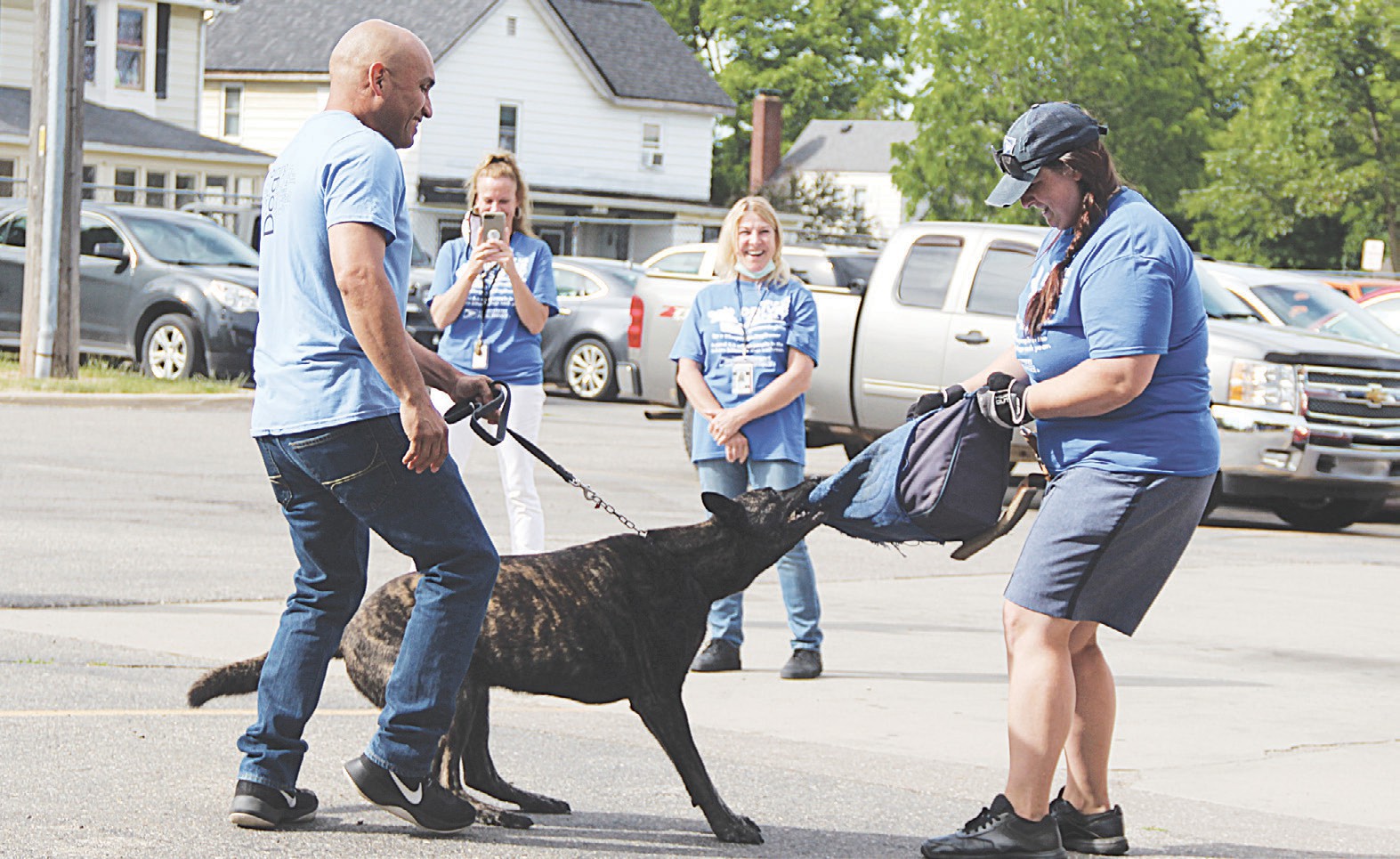

At Grennier Law, PC, we also think it is important to spread information to aid in dog bite prevention.
According to the Centers for Disease Control and Prevention (CDC), 4.5 million dog bites occur in the United States each year.
Over half of these incidents involve children.
Surprisingly, most bites come from a dog familiar to the victim, so it is extremely important to know what to do when a dog becomes hostile.
More detailed information is available at CDC.gov.
We know how to maximize the law [Civil Code section 3342(a)], which provides in part: “The owner of any dog is liable for the damages suffered by any person who is bitten by the dog while in a public place…”