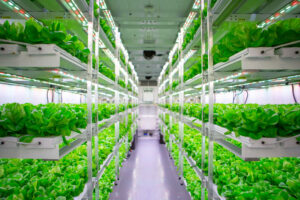



The home hydroponics market is estimated at USD 1.80 billion in 2025 and is projected to reach USD 3.77 billion by 2030, at a CAGR of 16.0% from 2025 to 2030. The global market is being driven by environmental, technological, and lifestyle factors. Increasing awareness about sustainable and pesticide-free food production has led consumers to explore alternative growing methods that reduce resource use and carbon footprint. Urbanization and limited availability of gardening space in cities are pushing households toward compact, soil-less farming systems. Technological innovations such as automated nutrient delivery, IoT-based monitoring, and energy-efficient LED lighting have made hydroponics more user-friendly and accessible.

Download PDF Brochure: https://www.marketsandmarkets.com/pdfdownloadNew.asp?id=189262012
By system type, the nutrient film technique segment holds a significant share in the home hydroponics market
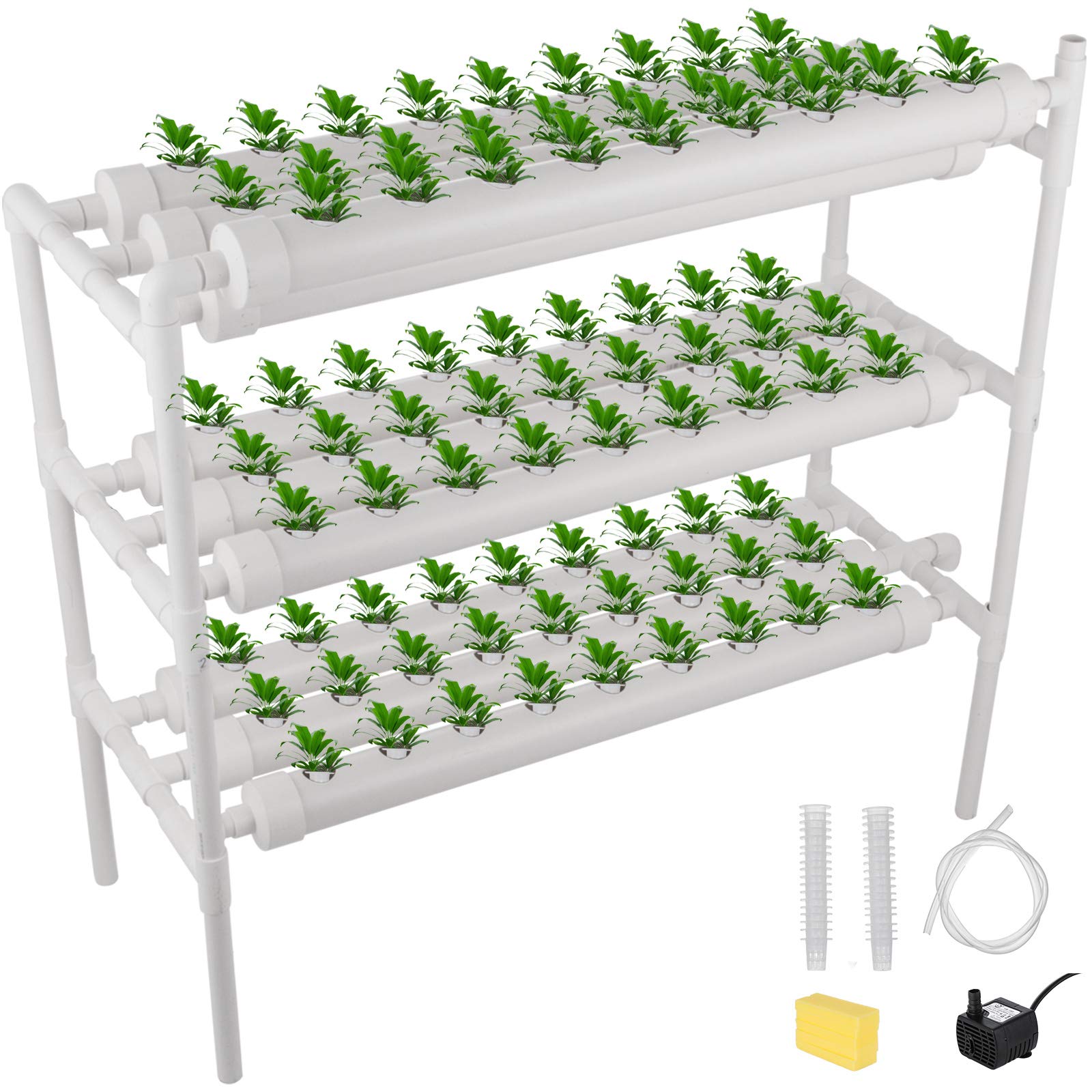
The nutrient film technique (NFT) holds a significant share in the system type segment of the home hydroponics market due to its efficiency, simplicity, and suitability for small-scale indoor setups. NFT systems work by flowing a thin film of nutrient-rich water over the roots of plants, providing constant access to oxygen and nutrients while minimizing water usage. This method is particularly popular among home growers for leafy greens and herbs, as it supports rapid growth and is relatively easy to maintain.
The compact and modular design of NFT systems makes them ideal for urban households with limited space, and their low operational cost further enhances their appeal. The rising availability of affordable NFT kits and DIY-friendly designs has also contributed to widespread adoption. As consumers become more environmentally conscious and seek cost-effective solutions for growing fresh produce at home, the NFT system continues to gain traction as a preferred choice in the hydroponics market.
By crop seed type, the leafy greens & herbs segment holds a significant share in the home hydroponics market
Leafy greens and herbs hold the largest share in the home hydroponics market due to their fast growth cycles, compact root structures, and suitability for indoor environments. Lettuce, spinach, kale, basil, mint, and parsley thrive in hydroponic systems and require minimal space and maintenance, making them ideal for home growers. These crops can be harvested frequently and regrown quickly, offering a steady, fresh supply for personal consumption. Their high nutritional value and widespread culinary use further increase their appeal among health-conscious consumers. Additionally, leafy greens and herbs are less sensitive to variations in climate and lighting conditions compared to fruiting plants, making them more compatible with small-scale, beginner-friendly hydroponic setups.
Request Sample Pages: https://www.marketsandmarkets.com/requestsampleNew.asp?id=189262012
Based on region, Asia Pacific holds the largest share in the home hydroponics market
The Asia Pacific region holds a significant share in the home hydroponics market, driven by rapid urbanization, rising population density, and growing concerns over food security and environmental sustainability. China, Japan, South Korea, and Singapore are at the forefront of adopting innovative indoor farming technologies due to limited arable land and increasing demand for fresh, pesticide-free produce.
The rising middle class in these nations, along with a strong cultural emphasis on healthy living and homegrown food, fosters widespread acceptance of hydroponic systems. Urban consumers, particularly in densely populated cities, are turning to compact and modular home hydroponics as a practical solution for space constraints and food quality concerns. Additionally, the increasing use of technology in everyday life across the region has paved the way for smart, app-controlled hydroponic kits to gain popularity among tech-savvy households.
Government initiatives and supportive policies further reinforce Asia Pacific’s strong position in the home hydroponics market. For example, Singapore’s “30 by 30” initiative aims to produce 30% of the nation’s nutritional needs locally by 2030, encouraging urban farming methods such as hydroponics. Similarly, investments in smart agriculture, sustainability education, and public awareness campaigns in India and China are boosting market potential. The presence of regional startups and growing partnerships between agri-tech companies and urban housing developers are also expanding product availability. With a blend of economic growth, rising health awareness, and policy support, the Asia Pacific region is poised to continue its influential role in shaping the global home hydroponics landscape.
The report profiles key players such as The Scotts Company LLC (US), Hydrofarm (US), GrowGeneration Corp. (US), Rise Gardens (US), Gardyn (US), Growgreen Limited (Hong Kong), Ingarden GmbH (Germany), Holland Horticulture (UK), CLICK & GROW LLC (Estonia), and Altifarm Enverde (US).