Have you ever considered how patients without access to a car or the ability to drive safely make it to their medical appointments? It’s easy to overlook, but transportation is a critical piece of the healthcare puzzle. Non Emergency Medical Transport in South Florida has become an essential service, helping bridge the gap between patients and providers by ensuring timely access to care for those who need it most.
Across South Florida, healthcare access isn’t just about doctors, hospitals, or medications it’s about the systems that support people in reaching those services in the first place. This is where NEMT steps in to make a difference.
What is Non Emergency Medical Transport?
Non Emergency Medical Transport, often abbreviated as NEMT, refers to transportation services offered to individuals who require medical appointments but do not need immediate emergency care. These include seniors, individuals with disabilities, low-income patients, and those without access to a personal vehicle.
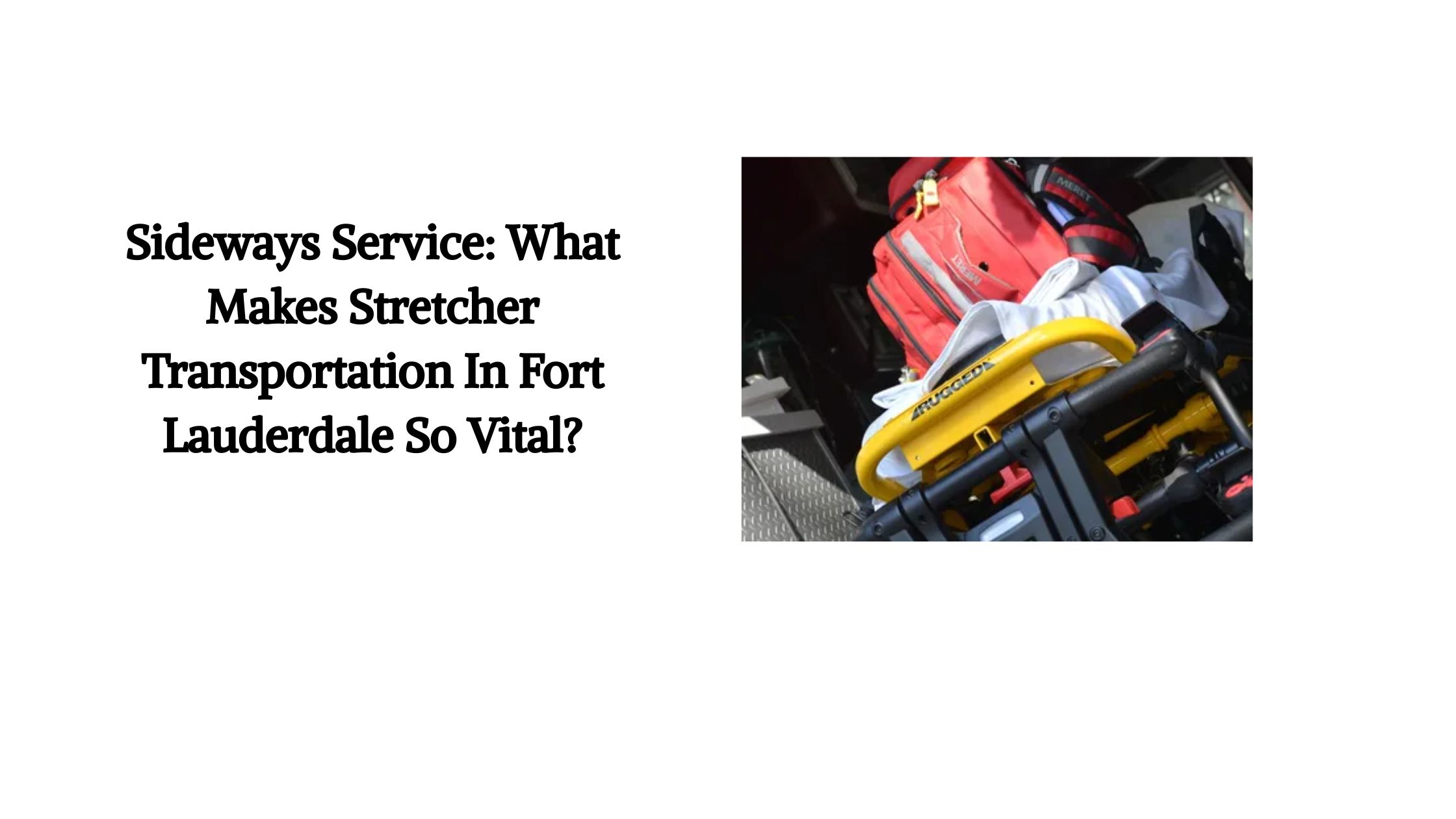
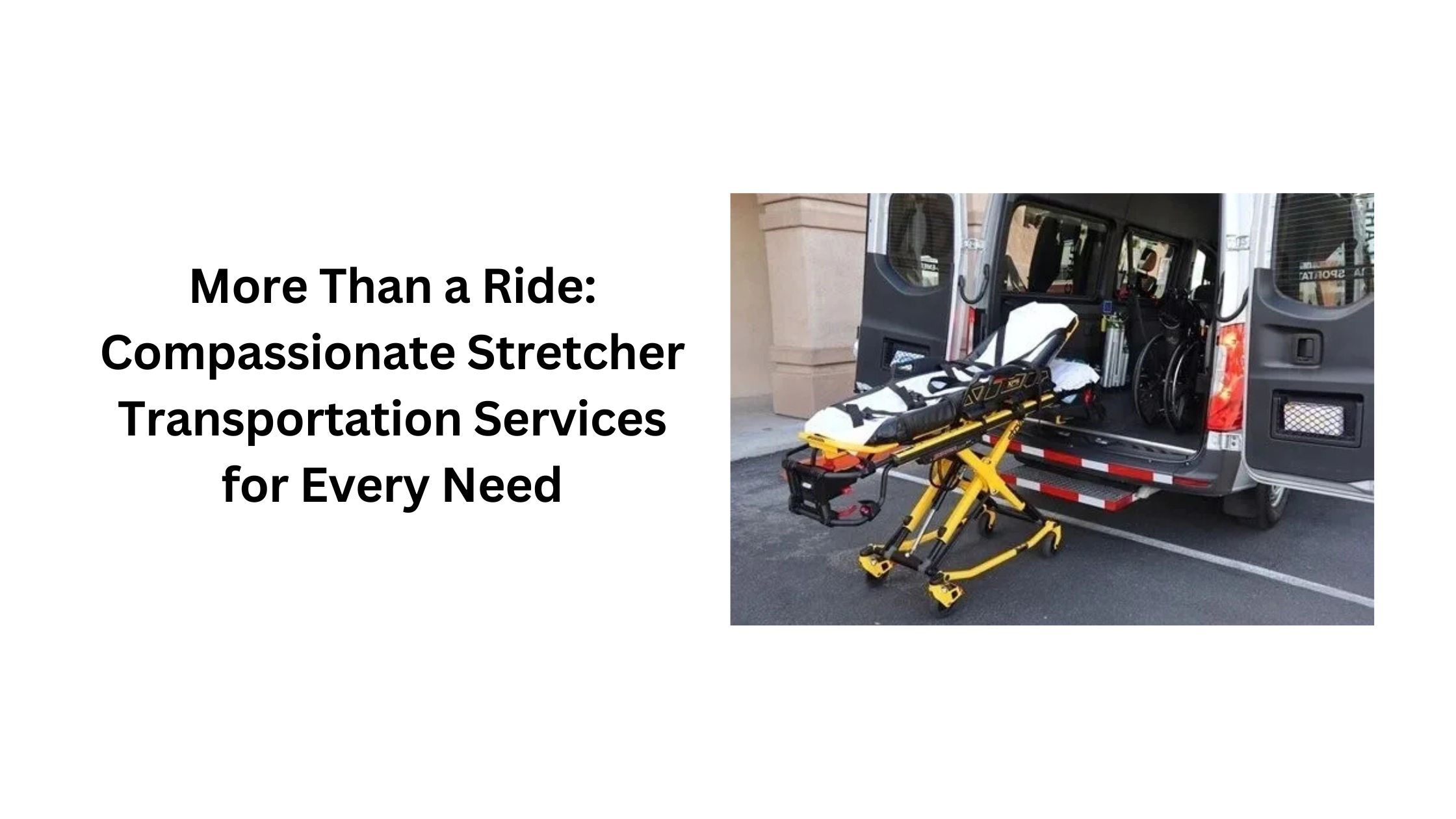
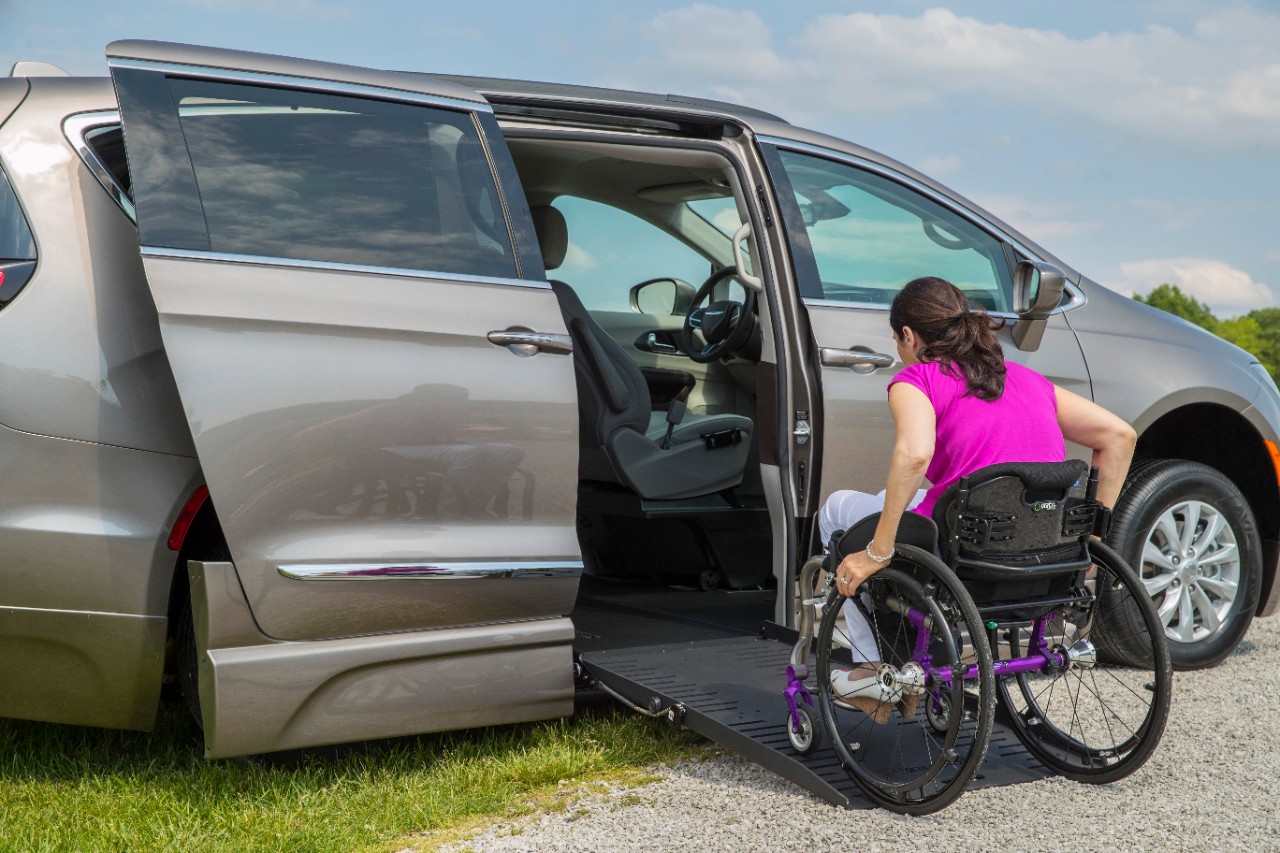
Unlike ambulances used in emergencies, NEMT vehicles are equipped for comfort and specific medical needs like wheelchair access, stretchers, or trained drivers who assist with mobility. These services make sure that individuals who may otherwise miss vital appointments can attend them consistently and safely.
Meeting the Needs of a Diverse and Aging Population
South Florida is home to a large senior population and numerous residents with chronic conditions. For many of them, managing health means frequent trips to medical appointments for dialysis, chemotherapy, physical therapy, or regular check-ups. However, not everyone has a caregiver or family member available to assist with transportation.
Non emergency medical transportation steps in to fill this critical void. It ensures that transportation isn't a barrier to care. Seniors with limited mobility or patients recovering from surgery can still receive the medical attention they need without delay or discomfort.
Patients with physical or developmental disabilities and those facing financial hardships often rely on these services to maintain their treatment schedules. Medicaid and some private insurers provide NEMT benefits because it's proven to reduce missed appointments and lower long-term healthcare costs.
Supporting Preventive and Chronic Care Access
One of the less obvious but incredibly important roles of NEMT in South Florida’s healthcare system is its contribution to preventive care. Consistent access to medical services allows healthcare providers to catch conditions early, monitor progress, and make timely interventions. Without NEMT, many patients might delay or avoid care altogether, resulting in worsened health outcomes and higher emergency care costs down the line.
Patients with chronic conditions like diabetes, heart disease, or kidney failure often require multiple appointments per week. Missed sessions could mean unmanaged symptoms, complications, and eventual hospitalizations. NEMT ensures patients can stick to their care plans, improving quality of life and easing the load on emergency departments and inpatient facilities.
A Key Partner in Healthcare Coordination
Healthcare today is more collaborative than ever. Providers work in networks, specialists consult one another, and patients may receive care from multiple facilities. But this coordination falls apart if the patient can’t physically get to the right place at the right time.
That’s where Non Emergency Medical Transport becomes more than just a ride. It’s a vital partner in healthcare coordination. Many transport providers use scheduling software, GPS tracking, and real-time updates to ensure punctuality and safety. This kind of integration helps doctors, caregivers, and patients stay connected, informed, and on track with care plans.
Reducing Healthcare Disparities
Transportation barriers disproportionately affect marginalized communities, including people of color, those living in rural areas, and individuals in poverty. NEMT plays a quiet but powerful role in leveling the playing field. By making healthcare physically accessible, it improves health equity and reduces disparities that are often worsened by missed care opportunities.
South Florida’s diverse population includes immigrants, non-English speakers, and underserved communities who may not feel comfortable navigating public transportation or ride-share services. Culturally competent and trained NEMT providers often act as a bridge, offering not just transport but reassurance and personalized assistance.
More Than a Ride
Transportation may not always be top-of-mind when we think about healthcare, but its role is undeniable. In South Florida, Non Emergency Medical Transport has become a cornerstone of accessible and effective care. It’s more than just a ride; it’s a vital link between patients and their well-being.
As the population continues to age and healthcare becomes increasingly decentralized, the need for non emergency medical transportation will only grow. Supporting these services means supporting better health for communities; one safe ride at a time.