Hyperpigmentation Treatment: An In-Depth Approach to Achieving Even Skin Tone
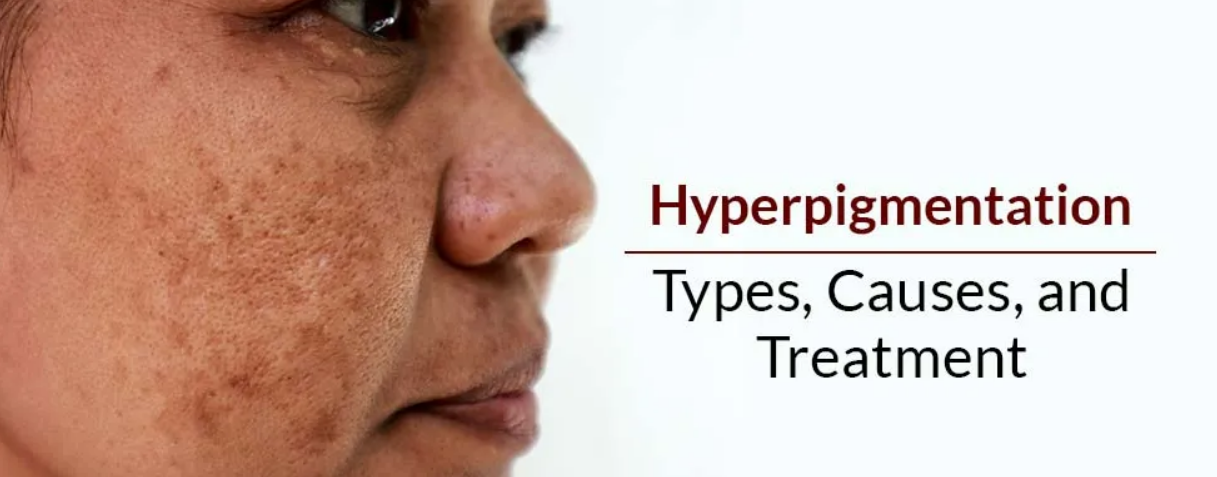
Hyperpigmentation, characterized by dark patches or spots on the skin, is a common dermatological concern that affects individuals of all ages and skin types. It occurs due to an overproduction of melanin, the pigment responsible for skin color, which can be triggered by various factors including sun exposure, hormonal fluctuations, skin injuries, inflammation, and aging. While hyperpigmentation is generally benign and not a health-threatening condition, it often causes aesthetic concerns and can impact an individual’s confidence and self-esteem. As we step into 2025, the landscape of hyperpigmentation treatment has evolved significantly, integrating scientific innovations with accessible skincare solutions that promise faster and more effective results.
Addressing hyperpigmentation requires a comprehensive understanding of its causes and the most effective treatment modalities. An in-depth approach involves combining topical therapies, professional procedures, lifestyle modifications, and preventive measures. Topical treatments aim to inhibit melanin synthesis, accelerate skin cell turnover, and repair existing damage. Professional interventions, on the other hand, provide targeted, often faster results through advanced techniques like chemical peels, laser therapy, and microdermabrasion. Together, these methods can significantly diminish hyperpigmentation, restore skin brightness, and promote a more uniform complexion.
In 2025, the integration of cutting-edge technologies such as nanotechnology-enhanced formulations, innovative light-based therapies, and personalized skincare regimens has revolutionized hyperpigmentation treatment. These advancements enable dermatologists and skincare enthusiasts alike to tailor treatments to individual skin types and pigmentation severity, ensuring optimal outcomes. This section aims to explore the most effective strategies, from over-the-counter solutions to professional procedures, providing readers with a detailed roadmap to lighten hyperpigmentation quickly and sustainably.
Brightening Creams: The First Line of Defense Against Hyperpigmentation
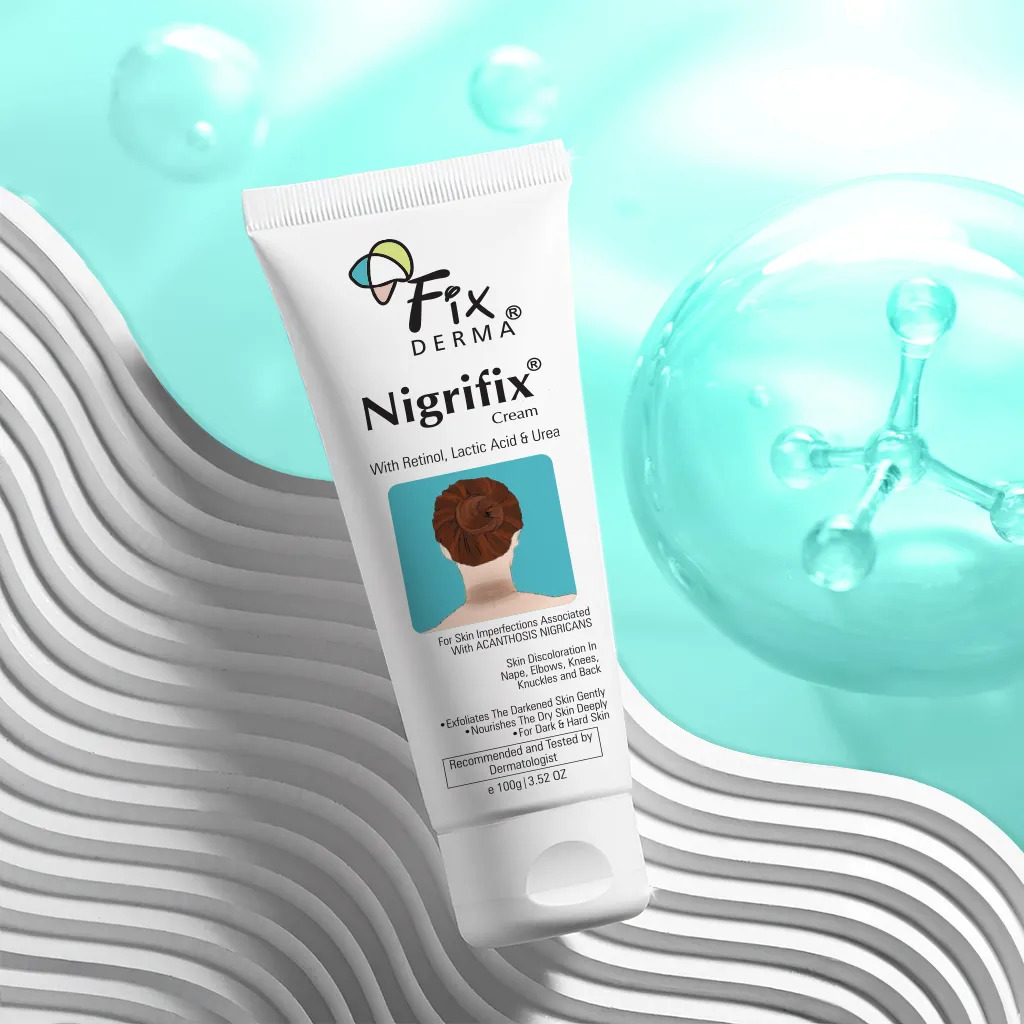
Brightening creams have long been the cornerstone of hyperpigmentation management, offering a convenient and accessible first step toward achieving an even skin tone. These topical formulations work primarily by inhibiting melanin synthesis, promoting skin cell turnover, and fading existing dark spots. In 2025, the market is flooded with innovative brightening creams that combine traditional ingredients with modern technology, delivering faster and more noticeable results than ever before.
At the core of these creams are ingredients like hydroquinone, kojic acid, arbutin, and vitamin C, each with proven efficacy. Hydroquinone, often regarded as the gold standard for hyperpigmentation treatment, works by blocking the enzyme tyrosinase, which is essential for melanin production. Its effectiveness in lightening dark patches has made it a popular choice, although it requires careful use under medical supervision due to potential side effects. Kojic acid, derived from fungi, is a natural alternative that also inhibits tyrosinase activity and is favored for its gentleness and compatibility with sensitive skin.
Vitamin C, a potent antioxidant, not only brightens the skin but also provides protective benefits against environmental stressors such as pollution and UV radiation, which can worsen hyperpigmentation. Modern formulations in 2025 utilize stabilized derivatives like ascorbic acid, magnesium ascorbyl phosphate, and tetrahexyldecyl ascorbate, which penetrate deeper into the skin layers to deliver rapid brightening effects. These formulations are often combined with other ingredients to enhance efficacy and reduce irritation.
Additional ingredients gaining popularity include alpha arbutin and niacinamide. Alpha arbutin is a stable, potent derivative of hydroquinone that gradually reduces dark spots by inhibiting tyrosinase activity, making it suitable for long-term use. Niacinamide, or vitamin B3, not only reduces melanin transfer to skin cells but also improves the skin’s barrier function, making it more resilient against environmental damage. Its anti-inflammatory properties also help calm irritated skin, preventing further hyperpigmentation caused by inflammation or skin trauma.
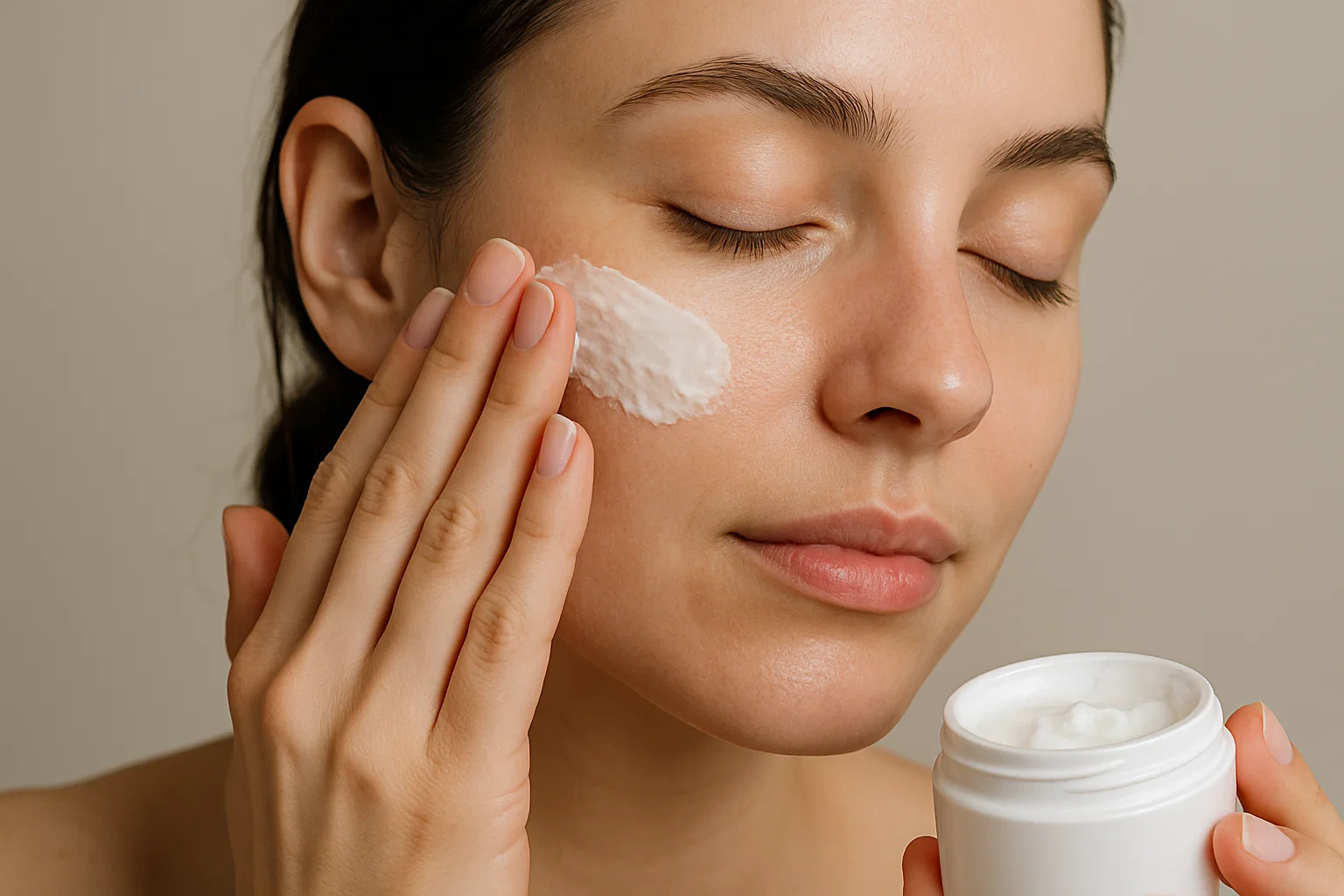
Choosing the right brightening cream depends on individual skin type, sensitivity, and hyperpigmentation severity. Consistent application is vital, ideally twice daily, along with diligent sun protection. Sunscreen acts as a barrier against UV rays that stimulate melanin production, preventing existing hyperpigmentation from worsening and allowing topical treatments to work more effectively. When integrated into a comprehensive skincare routine, brightening creams can significantly accelerate the journey toward a more even complexion.
Best Serums for Hyperpigmentation: Targeted Solutions for Rapid Results
Serums have become indispensable in the fight against hyperpigmentation due to their concentrated formulations that deliver active ingredients directly to the skin at higher efficacies. Their lightweight, fast-absorbing textures make them ideal for targeted treatment, especially when rapid results are desired. In 2025, the best serums for hyperpigmentation combine multiple potent ingredients to address various pathways involved in melanin production, skin repair, and inflammation reduction.
Vitamin C remains a star ingredient in hyperpigmentation serums, particularly in stabilized forms such as magnesium ascorbyl phosphate, tetrahexyldecyl ascorbate, and ascorbic acid derivatives. These formulations penetrate deeply, providing brightening effects while delivering antioxidant protection against environmental aggressors. Tranexamic acid, initially used for medical purposes, has gained recognition in skincare for its ability to reduce dark spots caused by inflammation, hormonal changes, and post-inflammatory hyperpigmentation. It works by inhibiting melanin synthesis and calming irritated skin, making it especially effective for hormonal or melasma-related pigmentation.
Alpha arbutin is another key ingredient in targeted serums, offering a gradual but consistent reduction in hyperpigmentation by inhibiting tyrosinase activity. Combining alpha arbutin with other ingredients like niacinamide enhances overall skin brightening and barrier strengthening. Exfoliating acids such as glycolic acid, lactic acid, and mandelic acid are often included in serums to promote skin cell turnover, accelerate the fading of dark spots, and improve overall skin texture.
In choosing a serum, skin type compatibility is crucial. Those with sensitive skin should opt for gentle formulations with soothing ingredients like niacinamide and licorice extract, while those seeking faster results might prefer potent combinations including tranexamic acid and higher concentrations of vitamin C. Regular use, ideally twice daily, combined with broad-spectrum sun protection, maximizes the benefits of these serums. Incorporating them into your skincare routine can lead to noticeable improvements within weeks, with sustained use resulting in long-term skin clarity and brightness.
Additional Strategies for Lightening Hyperpigmentation Quickly
While topical treatments are fundamental, a holistic approach that encompasses lifestyle adjustments and professional interventions can significantly speed up the process of lightening hyperpigmentation. Sun protection is the most critical aspect; daily application of a broad-spectrum sunscreen with at least SPF 30 prevents existing pigmentation from darkening and allows topical treatments to work unimpeded. Wearing protective clothing, hats, and sunglasses, and avoiding peak sun hours further reduce UV exposure that triggers melanin overproduction.
Professional treatments have proven to be highly effective for rapid hyperpigmentation reduction. Chemical peels, such as glycolic acid or trichloroacetic acid peels, remove damaged skin layers, revealing fresher, more uniform skin underneath. Laser therapies, including Q-switched Nd:YAG and fractional lasers, target melanin directly with focused light energy, breaking down pigmentation and stimulating collagen production for skin rejuvenation. Microdermabrasion, a mechanical exfoliation technique, promotes cellular renewal and fades dark spots over multiple sessions.
In addition to these procedures, maintaining a consistent skincare routine is essential. Avoiding picking or scratching at skin blemishes prevents post-inflammatory hyperpigmentation. Staying well-hydrated and eating a balanced diet rich in antioxidants support skin healing and resilience. Incorporating calming ingredients like aloe vera, chamomile, and centella asiatica can reduce inflammation and prevent further pigmentation. Patience and persistence are key—while professional treatments can deliver quick results, ongoing maintenance and sun protection are necessary to sustain improvements and prevent recurrence.
Conclusion: Embracing a Holistic and Effective Approach in 2025
Hyperpigmentation, though a common skin concern, can be effectively managed with the advanced treatments available in 2025. Combining potent topical formulations, targeted serums, diligent sun protection, and professional procedures creates a comprehensive strategy tailored to individual needs. The key to success lies in understanding your skin type, severity of pigmentation, and personal preferences, then committing to a consistent routine that includes both treatment and prevention.
Progress may take time, but with patience, persistence, and expert guidance, achieving a brighter, more even complexion is within reach. The integration of scientific innovation and accessible skincare options empowers individuals to take control of their skin health and confidence. Consulting with a dermatologist can help craft a personalized treatment plan, ensuring safe and effective results. Embrace these proven tips and advancements, and look forward to unveiling a luminous, hyperpigmentation-free skin in 2025 and beyond.