


Legal Entity Identifier: An Essential Component of Global Financial Compliance
The Legal Entity Identifier (LEI) stands as a cornerstone in the architecture of international financial regulation, serving as a universal standard for identifying entities involved in financial transactions worldwide. For Indian exporters and importers, especially those engaged in cross-border trade, understanding the significance of the LEI is crucial. This unique code facilitates transparency, enhances regulatory compliance, and streamlines operational processes across diverse jurisdictions. As global markets become increasingly interconnected and regulatory frameworks grow more stringent, the LEI emerges as an indispensable tool for fostering trust, reducing risks, and ensuring seamless international trade. This comprehensive overview aims to elucidate the detailed requirements involved in LEI registration, emphasizing its vital role in promoting integrity, accountability, and efficiency in global commerce.
The Significance of the LEI Number for Indian Exporters and Importers
The LEI number transcends mere identification; it embodies a commitment to transparency and responsible business practices in the international arena. For Indian exporters and importers, possessing an LEI is not just a regulatory obligation but a strategic advantage. It simplifies the process of verifying counterparties, reduces transactional risks, and fosters confidence among global trading partners. The LEI is mandated under various international regulations such as the European Market Infrastructure Regulation (EMIR), the Dodd-Frank Act in the United States, and other standards designed to curb financial crimes like money laundering and tax evasion. These regulations require entities engaged in derivative transactions, securities trading, or cross-border financial dealings to disclose their LEI, thereby enabling regulators and counterparties to identify and assess risk exposure efficiently.
Moreover, the LEI enhances the credibility of Indian exporters and importers by demonstrating adherence to international standards of transparency. It plays a crucial role in regulatory reporting, risk management, and due diligence, making it easier for foreign financial institutions to assess the legitimacy of Indian entities. As India continues to integrate with the global financial system, the importance of the LEI as a tool for fostering trust and operational integrity cannot be overstated. For businesses aiming to expand their international footprint, obtaining an LEI is a strategic step towards ensuring compliance, reducing transaction costs, and building a reputation for transparency and reliability in global markets.
The Registration Process for Legal Entity Identifier: Step-by-Step Guidance for Indian Entities
The process of registering for an LEI involves a systematic approach designed to ensure accuracy, authenticity, and compliance with international standards. Indian entities seeking an LEI must begin by selecting an authorized LEI issuing organization, commonly referred to as a Local Operating Unit (LOU). These LOUs are accredited by the Global Legal Entity Identifier Foundation (GLEIF) to issue and manage LEIs. Once the appropriate LOU is identified, the registration process involves several key steps.
The first step requires the collection of essential documentation, including the entity’s registration certificate, incorporation documents, and proof of legal existence. These documents serve as the foundation for verifying the legal identity of the entity. The applicant then submits these documents online or through designated channels provided by the LOU, along with the completed application form. Following submission, the LOU conducts a validation process that involves cross-checking the provided details against official government registries, corporate databases, and other authoritative sources. This verification ensures that the information is accurate and up-to-date.
Once the validation is complete and the information is confirmed, the LOU issues the LEI, typically within a few working days. The issued LEI remains valid for one year but requires renewal and updates to reflect any changes in the entity’s legal structure, ownership, or registered address. Maintaining the LEI’s validity is crucial for ongoing compliance and smooth participation in international financial transactions. The entire process, while straightforward, necessitates meticulous attention to detail and adherence to the prescribed protocols to avoid delays or rejection.
Key Requirements for Successful LEI Registration for Indian Entities
To ensure a seamless registration process, Indian exporters and importers must meet specific, well-defined requirements mandated by global regulatory authorities. The foremost requirement is the provision of accurate and complete legal information about the entity. This includes the legal name, registration number, registered address, jurisdiction of incorporation, and other pertinent details. It is imperative that all information matches the official registration documents to prevent discrepancies that could lead to delays or rejection of the application.
In addition, entities must designate a responsible individual—often a compliance officer or a senior management representative—who will oversee the LEI registration and ongoing maintenance. This person is tasked with ensuring that any updates or changes in the legal status of the entity are promptly reported to the LOU. Payment of applicable registration and renewal fees is another critical requirement, with costs varying depending on the chosen LOU and the jurisdiction of registration. These fees are necessary to cover the administrative and validation processes involved in issuing and maintaining the LEI.
Furthermore, adherence to validation protocols is essential. This involves cross-verifying submitted data against authoritative sources such as government registries, corporate databases, and other official records. Ensuring this accuracy not only expedites the registration process but also guarantees the authenticity of the legal identity, which is fundamental for compliance with international standards and regulatory expectations. Meeting these requirements diligently is crucial for Indian entities to secure and maintain their LEI without disruptions.
Ongoing Maintenance and Renewal of LEI for Indian Exporters and Importers
Acquiring an LEI is merely the first step in a continuous process of compliance. To retain its validity, the LEI must be renewed annually, and any changes to the legal or operational status of the entity must be promptly updated. The renewal process typically involves verifying the existing data and submitting any necessary amendments. Most LEI issuing organizations provide automated renewal reminders and online portals to facilitate this process, ensuring that entities remain compliant without undue administrative burden.
Failure to renew the LEI on time can result in deactivation, which could hinder the entity’s ability to engage in ongoing international transactions and regulatory reporting obligations. For Indian exporters and importers, it is essential to establish internal procedures to monitor renewal deadlines and update relevant information, such as changes in ownership, registered address, or legal structure, as soon as they occur. Proactive management of LEI renewal and updates not only ensures uninterrupted compliance but also enhances the credibility of the entity in the eyes of international partners and regulators.
Maintaining an active LEI status demonstrates a commitment to transparency and regulatory adherence, reinforcing trust and operational efficiency in cross-border trade. Staying vigilant about renewal schedules and promptly reporting any changes is a best practice that supports seamless international business operations and helps avoid penalties or reputational risks associated with non-compliance.
Legal and Regulatory Framework Governing LEI Registration in India
The legal landscape surrounding LEI registration in India aligns with international standards established by the Global Legal Entity Identifier Foundation (GLEIF). The Reserve Bank of India (RBI) and other financial regulators have incorporated LEI requirements into their regulatory frameworks, especially for entities involved in cross-border transactions, foreign exchange dealings, and derivative trading. The Indian government encourages registration of LEIs to promote transparency, reduce financial crime, and facilitate smoother international trade.
Indian entities engaged in international trade are advised to register for an LEI to ensure compliance with these evolving regulations. The government’s push towards digitalization and transparency further underscores the importance of LEI as a tool for combating financial fraud, enhancing market integrity, and aligning Indian trade practices with global standards. The legal obligations include adhering to reporting requirements, maintaining updated information, and ensuring timely renewal of the LEI to avoid penalties and operational disruptions.
As the regulatory environment continues to evolve, Indian exporters and importers must stay informed about new mandates, amendments, and best practices related to LEI registration and maintenance. This proactive approach will help them remain compliant, foster trust with international partners, and position themselves favorably within the global trade ecosystem.
Benefits of Obtaining an LEI for Indian Exporters and Importers
Securing an LEI offers numerous strategic advantages for Indian exporters and importers operating in the global marketplace. Foremost among these is the enhancement of transparency, which provides a clear, standardized way to identify legal entities involved in transactions. This transparency builds trust with foreign partners, financial institutions, and regulatory bodies, facilitating smoother and more secure transactions.
From a compliance standpoint, the LEI simplifies reporting obligations under international regulations such as EMIR, Dodd-Frank, and others. It reduces the administrative burden associated with due diligence and verification processes, enabling entities to operate more efficiently and with greater confidence. The LEI also plays a crucial role in risk management by enabling quick identification of counterparties’ legal statuses and exposure levels, thereby reducing operational and financial risks.
Operationally, the LEI streamlines complex financial dealings, including derivatives trading, cross-border loans, and securities transactions. It enhances the overall efficiency of compliance processes, helping Indian exporters and importers participate more confidently in global markets. Additionally, possessing an LEI can serve as a competitive differentiator, signaling a commitment to transparency and regulatory compliance—attributes highly valued by international partners and financial institutions.
Ultimately, the LEI can open doors to new business opportunities, foster long-term relationships, and support sustainable growth in global trade. It acts as a strategic asset that not only ensures regulatory adherence but also elevates the reputation of Indian entities on the international stage.
Common Challenges and Solutions in LEI Registration for Indian Entities
Despite its benefits, the LEI registration process can pose certain challenges, especially for Indian entities unfamiliar with international regulatory standards. Common issues include delays caused by incomplete documentation, discrepancies in legal information, or misunderstandings of validation procedures. These hurdles can be mitigated through meticulous preparation and expert guidance.
To address these challenges, it is advisable for entities to work closely with authorized LEI issuing organizations and legal compliance specialists who understand the nuances of international standards. Ensuring that all documents are accurate, current, and verified against official records can significantly reduce processing times and prevent rejection.
Leveraging digital tools and online portals provided by LOUs can streamline the registration, renewal, and update processes. Staying informed about regulatory changes and maintaining proactive communication with the chosen LOU can further facilitate smooth compliance. Training internal staff or appointing dedicated compliance officers to oversee LEI management ensures ongoing adherence and reduces the risk of lapses.
By adopting a systematic approach and understanding the requirements, Indian exporters and importers can navigate potential hurdles effectively, ensuring continuous compliance and operational stability in international trade activities.
Conclusion: Embracing LEI as a Strategic Asset in Global Trade
The Legal Entity Identifier is more than just a regulatory requirement; it is a strategic asset that empowers Indian exporters and importers to operate confidently within the global financial ecosystem. Its role in enhancing transparency, ensuring compliance, and facilitating efficient cross-border transactions is fundamental to modern international trade. As regulatory standards continue to tighten and global markets demand greater accountability, the LEI will become increasingly vital for Indian entities seeking to maintain competitiveness and trustworthiness.
By understanding the registration requirements, diligently maintaining the LEI, and leveraging its benefits, Indian exporters and importers can strengthen their global presence, attract more international partners, and foster sustainable growth. Embracing the LEI as a core component of their compliance strategy positions them favorably in an interconnected world, opening new avenues for expansion, collaboration, and success.

Royal London One-Day Cup, 2021 Match 52 LEI vs SUR Live Score, Scorecard & ResultsFollow LEI vs SUR live cricket score ball by ball commentary and know what is happening on the ground with us.Leicestershire vs Surrey Match DetailsCatch Royal London One-Day Cup, 2021 LEI vs SUR Live Cricket Score ball by ball commentary with fast scorecard updates, Latest News Results, and much more.Timings: The LEI vs SUR Match 52 will start on Saturday 7th August 2021 at 3:30 PM (IST).About Info; Live Cricket Score
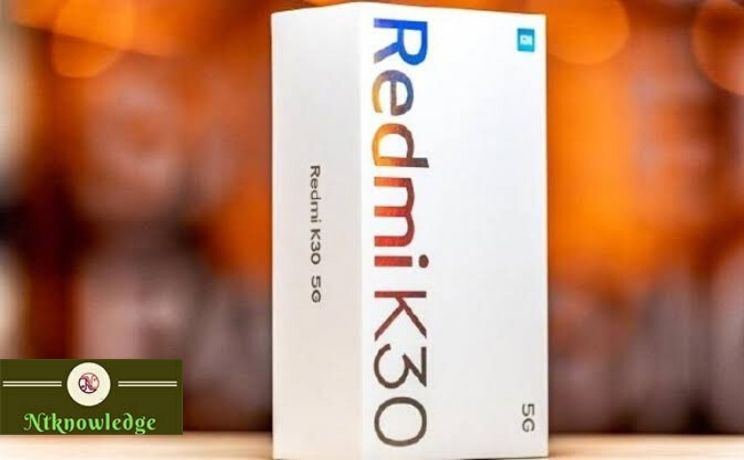
Redmi K30 5G versatile retail box picture was shared by the CEO of Xiaomi, Lei Jun.
It will be supporting 5G and different highlights with four shading choices.

With the generous assistance of civic foundations, educational institutions and other organizations, Young Entrepreneur Institute has expanded past University School in 2021 and now has relationships with many other educational and non-profit organizations throughout the nation.The YEI supports the important work done by established college programs such as the College Board and participates in relevant activities and events as well as promoting new ideas.
As we enter into the summer of 2021, we will celebrate the success of our nation's young adult entrepreneurs and recognize those who have made significant contributions to the economic well being of our nation.
Young Entrepreneur Week is a week that inspires Young Entrepreneur to dream big and give a shot at business success.
Young Entrepreneur Week programs include a visit by the President of the United States, an historic entrepreneurial forum, the National Smart Startup Festival, and a business incubator where promising young entrepreneurs will have the opportunity to explore business concepts in an exciting environment.A young entrepreneur must be aggressive, versatile, and innovative in order to succeed.
Unfortunately, many young entrepreneurs lack qualities such as these.
However, there is no reason that aspiring entrepreneurs cannot become successful if they are properly guided by experienced leaders who understand the needs of young entrepreneurs.