

Currently, international transportation from China to Germany is primarily divided into three categories: sea freight, rail freight, and air freight. Each mode has its own advantages and disadvantages, and the key to choosing depends on the nature of the goods, time requirements, and budget.
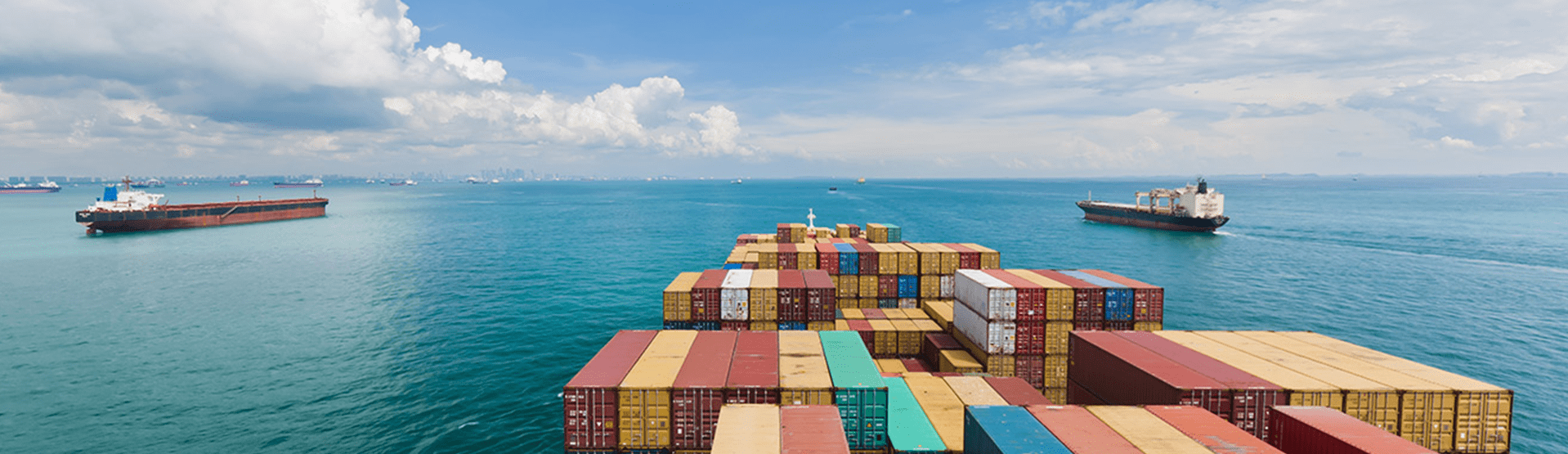
Sea freight remains the most cost-effective option, particularly suitable for bulk shipments of large commodities. Most Chinese companies choose to ship their goods by container from coastal ports such as Shanghai, Ningbo, or Shenzhen to Hamburg or Bremen in Germany. Although transportation typically takes more than a month, its low cost makes it the preferred option for many traditional exporters.
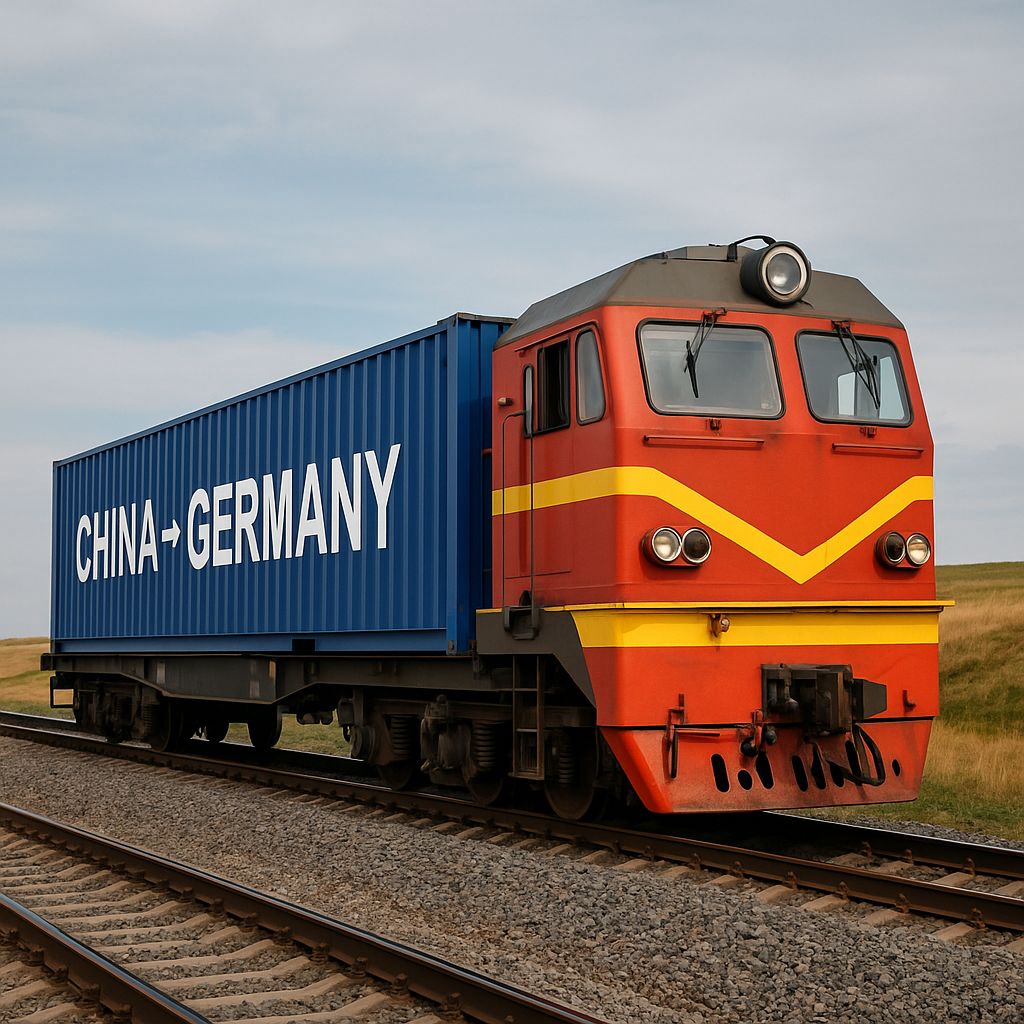
In contrast, China-Europe rail transport has been gaining popularity in recent years, offering a compromise between time and cost. From inland Chinese cities such as Chengdu, Chongqing, and Yiwu, China-Europe freight trains can deliver goods to German logistics hubs such as Duisburg and Munich within 12 to 18 days. This method is particularly popular among cross-border e-commerce companies, ensuring fast delivery times while keeping costs under control.
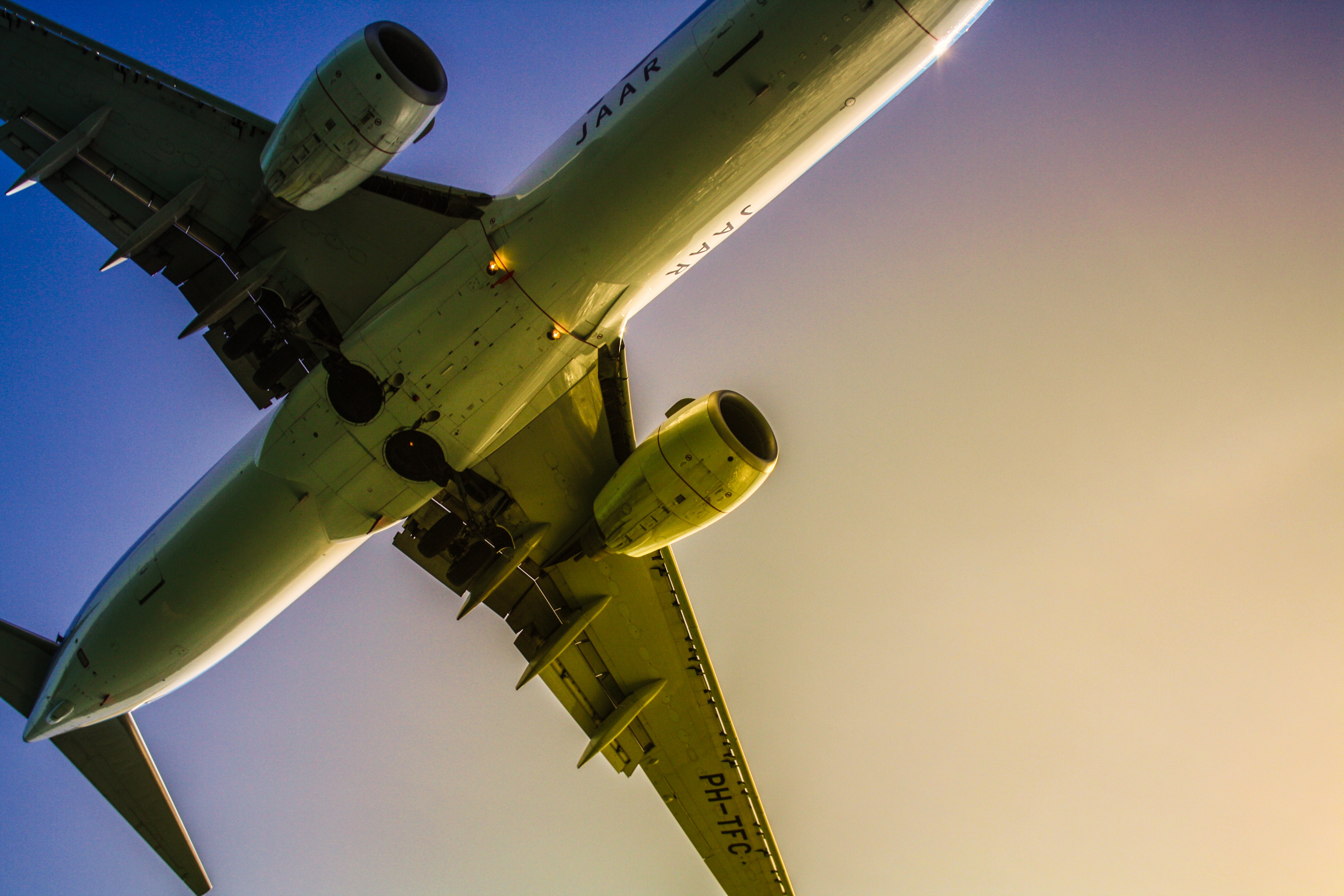
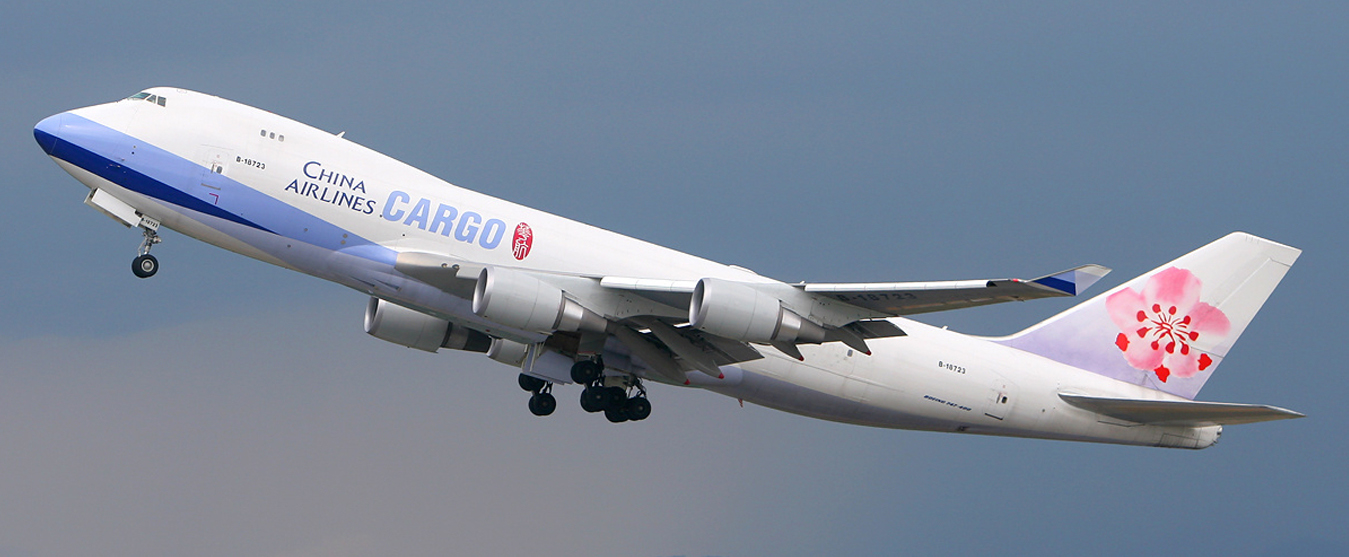
Although air freight is more expensive, it remains an irreplaceable option for high-value or time-sensitive goods. There are stable air routes between airports in China, such as Guangzhou, Shenzhen, and Shanghai, and Frankfurt and Leipzig, Germany, allowing shipping to be completed in as little as 48 hours.
II. Customs Clearance and Regulatory Considerations for Importing into Germany
In addition to logistics, Germany's local import policies and customs clearance procedures are also crucial considerations that companies cannot overlook. As a member of the European Union, Germany has strict import regulations, and all goods must undergo formal customs clearance before entering the German market.
First, companies need to prepare a complete commercial invoice, packing list, shipping documents, and a certificate of origin. Customs duties and import VAT will be calculated based on the goods' HS code during customs clearance. Germany's standard VAT rate is 19%, with a preferential rate of 7% applicable to certain consumer goods. Customs duty rates vary depending on the type of goods, generally ranging from 0% to 12%.
If companies choose to conduct their own customs clearance, they need to be familiar with the German customs system and establish a local representative. A more common approach is to entrust an experienced freight forwarder to handle all documentation and declaration procedures. This method saves time and effort and is particularly suitable for small and medium-sized enterprises entering the German market.
3. Recommendations for Choosing a Logistics Solution
Different types of businesses have different logistics requirements. Therefore, when choosing a transportation method, you should fully consider cargo volume, timeframes, budget, and the specific needs of your customers.
For small and micro businesses with limited export volumes, LCL ocean freight is a more practical option, lowering the barrier to entry while ensuring safe delivery of goods. E-commerce sellers tend to choose rail or air freight, combined with door-to-door delivery services, to achieve rapid fulfillment and improve customer satisfaction.
It is important to note that German consumers place high demands on on-time delivery, and delays can directly impact brand reputation. Therefore, even at a slightly higher cost, more and more businesses are choosing logistics service providers that offer full tracking and after-sales support, ensuring controllability and stability throughout the entire transportation process.
4. Why Choosing VIPU Logistics Can Help You Avoid Detours
Among the many logistics options available, choosing a stable and experienced partner is crucial. VIPU Logistics, an international freight forwarder specializing in China-Europe transportation for over a decade, has provided professional, efficient, and customizable logistics solutions to numerous Chinese companies.
VIPU not only offers integrated solutions for multiple modes of transportation, including ocean, rail, and air freight, but also supports door-to-door services, customs clearance assistance, VAT compliance guidance, and complex processes such as DDP/DDU. Particularly for China-Europe freight trains and local delivery in Germany, VIPU has established a stable operational network and partnerships to ensure that goods reach customers safely and on time.
For small and medium-sized businesses, e-commerce sellers, and even multinational manufacturers, partnering with VIPU Logistics means reduced communication costs, a clearer quote structure, and a more worry-free delivery experience. Whether you're a first-time exporter or already have customers in Germany, VIPU can provide customized transportation solutions tailored to your cargo type and market dynamics.
V. Conclusion: China-Germany trade continues to heat up, and logistics planning requires foresight.
As one of China's largest trading partners in Europe, Germany's demand for high-quality Chinese products will continue to grow. Logistics, as the core bridge connecting the two countries' trade, has a direct impact on a company's competitiveness in the German market due to its efficiency and reliability.
Faced with a rapidly changing international landscape, rising transportation costs, and complex customs clearance regulations, companies must proactively upgrade their logistics systems to enhance the flexibility and risk resilience of their cross-border supply chains. In this process, collaborating with professional and reliable partners like VIPU Logistics will help companies achieve growth while maintaining stability and further their presence in the German market.