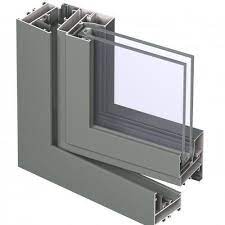
In the construction, manufacturing, and architectural sectors, The Bending of aluminium profiles plays a crucial role in delivering functional and visually appealing designs. Whether for curtain walls, façades, doors, or industrial frameworks, curved aluminium profiles are essential for achieving smooth contours and innovative structural aesthetics. The process involves precision, technique, and the right equipment to maintain the structural integrity of the material while achieving the desired radius or shape. Let’s explore how Aluminium Profile Bending works, common methods used, and how to find reliable service providers in the UAE for top-notch results. Additionally, we will touch on related materials such as Profile GI Sheet and GI Profile, which often complement aluminium applications in the region.
1. Understanding Bending Aluminium Profiles
Aluminium profiles are extruded sections of aluminium with specific cross-sectional shapes. Bending these profiles is more than just forcing the material into a curve; it requires calculated deformation that preserves the internal strength and surface quality. Aluminium, while lightweight and corrosion-resistant, can be sensitive to stress concentration during bending. The goal is to achieve a seamless curve without cracking, buckling, or distorting the profile.
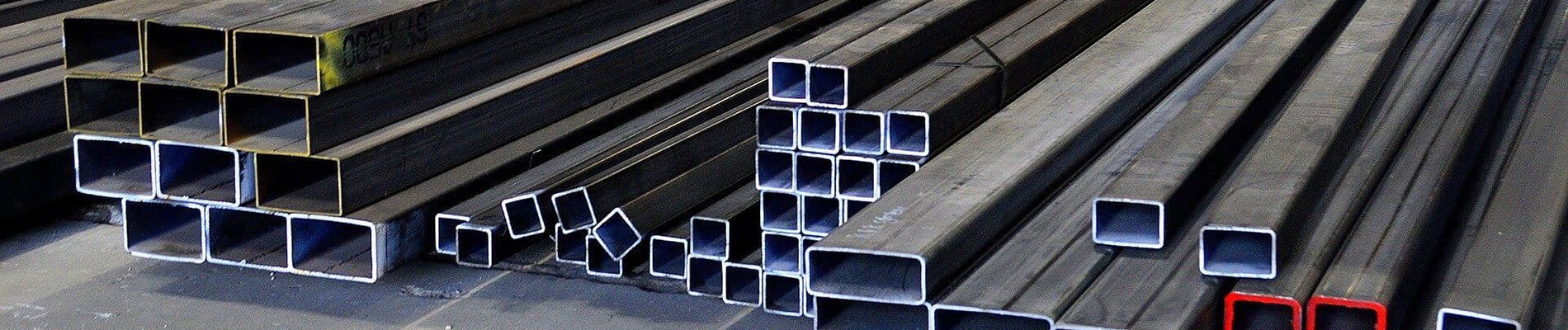
Different types of aluminium profiles may include angles, channels, tubes, or custom sections used in construction and infrastructure projects. The bending process allows these linear profiles to conform to circular, helical, or arched shapes as needed in modern designs.
2. Common Methods of Bending Aluminium Profiles
● Roll Bending
Roll bending is the most commonly used technique for producing large-radius curves in aluminium profiles. This process involves passing the aluminium through a set of three rollers – two at the bottom and one at the top – which gradually apply pressure to achieve the desired bend. It’s a slow, controlled method suitable for long profiles and architectural elements.
● Mandrel Bending
In applications where tight radii are needed, mandrel bending is often used. A mandrel (a solid rod) is inserted inside the profile to support it internally during the bend, preventing it from collapsing. This method is particularly effective for hollow or tubular profiles and is widely used in the automotive and aerospace industries.
● Stretch Bending
This process combines tension and compression. The aluminium profile is clamped at both ends, stretched, and then bent over a die to form complex curves. This method ensures excellent shape retention and is suitable for curtain wall systems and high-precision construction components.
● Heat-Assisted Bending
For thick or temper-hardened aluminium profiles, heat may be applied to soften the material before bending. This reduces the risk of cracking and ensures smoother curves. However, heat treatment must be managed carefully to avoid altering the alloy properties.
3. Applications in the UAE Market
Bending of aluminium profiles is in high demand across the UAE, particularly in cities like Dubai and Abu Dhabi, where architectural innovation drives the construction sector. From skyscrapers and bridges to residential complexes and public infrastructure, bent aluminium plays a pivotal role in both aesthetics and structural design.
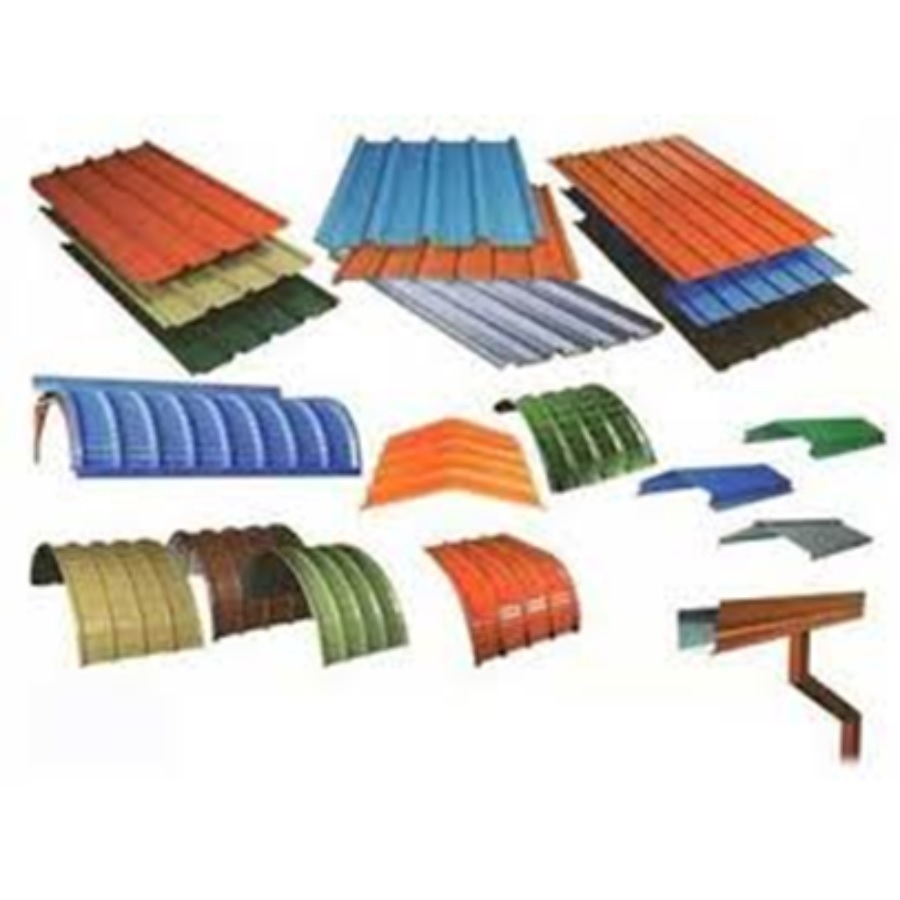
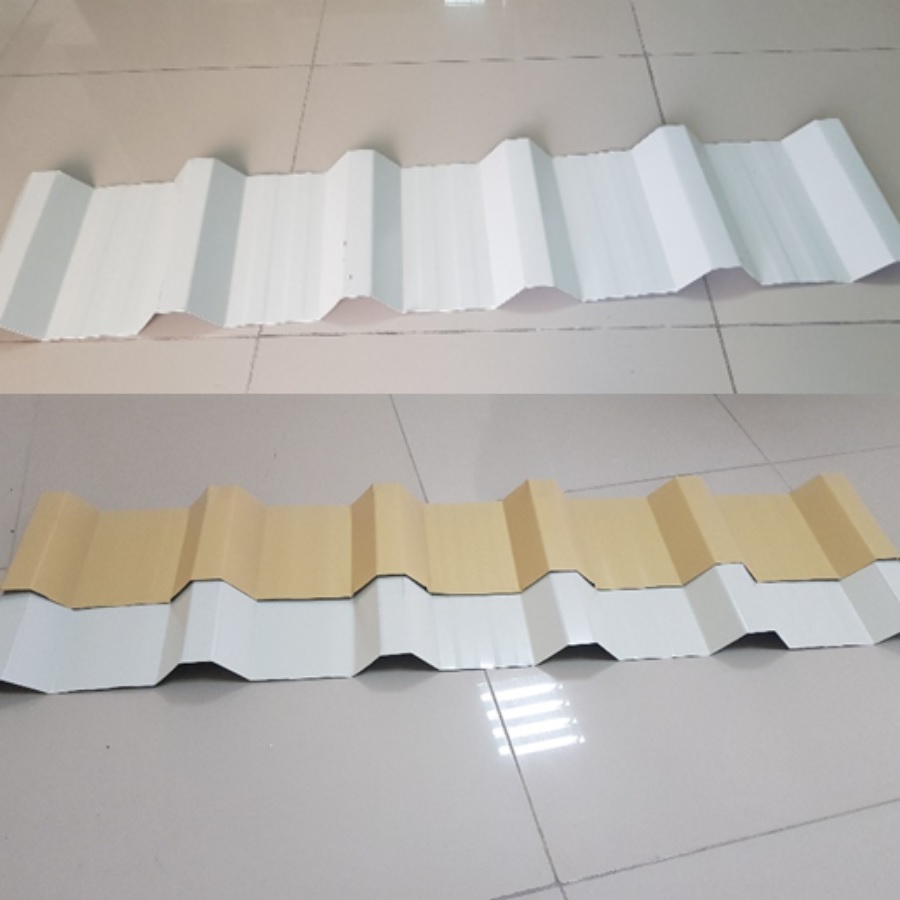
In addition to aluminium profiles, materials like Profile GI Sheet and GI Profile are commonly used in roofing, cladding, framing, and ductwork. These materials provide additional durability and corrosion resistance, often forming part of the same structure where curved aluminium is implemented.
Factors to Consider When Choosing a Bending Service Provider
Choosing the right Bending of aluminium profiles service provider can make a significant difference in the quality and performance of your project. Here are key factors to consider:
● Experience and Expertise: Look for companies with proven experience in handling different aluminium alloys and profiles.
● Technology and Equipment: Advanced CNC-controlled bending machines ensure accuracy and repeatability.
● Customisation Capabilities: Providers should offer bespoke solutions to meet specific design requirements.
● Material Handling: Proper handling and storage to avoid surface damage is essential.
Final Thoughts
Aluminium profile bending is a precise process that combines engineering and design to bring modern architectural visions to life. With various methods available, from roll and mandrel bending to stretch and heat-assisted techniques, the choice depends on the profile type, bend radius, and intended application. When executed properly, the bent profiles retain strength, aesthetics, and performance over time, making them indispensable in today’s construction and industrial landscape.
At SAAS METAL, clients in the UAE benefit from state-of-the-art aluminium bending services that meet global standards. With capabilities extending across aluminium profiles, Profile GI Sheet, and GI Profile solutions, they provide comprehensive support for your architectural and structural needs — delivering quality, precision, and innovation in every curve.