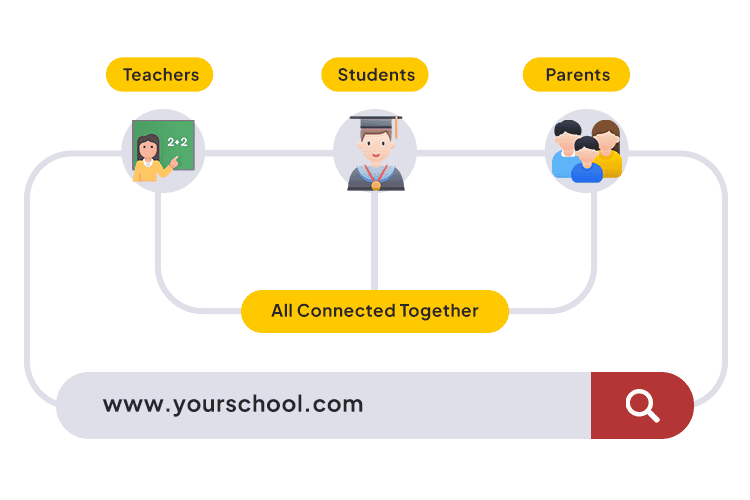
Learning Management System: Building the Foundation for Digital Education
At the core of any successful digital education strategy lies a robust and adaptable Learning Management System (LMS). An LMS functions as the backbone of online learning environments, providing a centralized platform where educational content, student progress tracking, assessments, and communication channels converge. When selecting education app development services, it is essential to evaluate their capacity to create or customize an LMS that aligns perfectly with your institution’s specific needs, goals, and technological landscape. A well-designed LMS should not only be intuitive and user-friendly but also flexible enough to accommodate future growth and evolving educational requirements.
One of the primary considerations is the user interface, which must be accessible and straightforward for students, educators, and administrative staff alike. An overly complicated or cluttered interface can hinder adoption and reduce engagement, so the development team should prioritize usability. Seamless integration with existing infrastructure, such as student information systems, content repositories, and communication tools, is equally important. This integration ensures that data flows smoothly across platforms, reducing manual effort and minimizing errors.
Scalability is another critical factor. As your institution expands or introduces new programs, the LMS should be capable of handling increased user loads and content volume without compromising performance. Features such as content management, assessment tools, and communication channels should be customizable to suit different teaching methodologies and learning styles. For instance, support for multimedia content, interactive quizzes, discussion forums, and real-time feedback can significantly enhance the learning experience.
Security and data privacy are paramount, especially given the sensitive nature of student records and institutional data. An ideal LMS must incorporate robust security measures, including encryption, access controls, and compliance with data protection regulations such as GDPR or FERPA. This ensures that all information remains confidential and protected against cyber threats. When choosing education app development services, verifying their expertise in implementing these security protocols is crucial to safeguarding your institution’s digital assets.
In summary, selecting a development partner capable of delivering a flexible, reliable, and user-centric LMS is fundamental to a successful digital transition. The right system will serve as a scalable foundation that supports innovative teaching practices, enhances student engagement, and streamlines administrative workflows, ultimately positioning your institution at the forefront of digital education advancements.
Digital Learning Solutions: Crafting a Comprehensive Educational Ecosystem
Digital learning solutions extend far beyond the traditional classroom, encompassing a broad array of tools and platforms designed to enrich the educational experience. These solutions include interactive multimedia content, virtual classrooms, assessment and testing platforms, collaboration tools, and analytics dashboards. When selecting education app development services, it is essential to focus on their ability to create integrated digital ecosystems that cater to diverse learning styles and institutional goals.
A comprehensive digital learning ecosystem should facilitate real-time engagement, allowing students and educators to interact seamlessly regardless of physical location. Features such as live video lectures, chat functions, and real-time polls foster active participation and create a dynamic learning environment. Personalization is another vital aspect; tailored learning pathways based on individual student performance and preferences can significantly improve learning outcomes. Analytics-driven insights enable educators to monitor progress, identify at-risk students, and adjust instructional strategies accordingly.
Accessibility is a fundamental consideration. The digital solutions must be compatible with various devices—smartphones, tablets, laptops—and operating systems, ensuring equitable access for students from different technological backgrounds. Cloud-based platforms are particularly advantageous, offering scalability, ease of maintenance, and remote access. The development team should also incorporate features that support inclusive education, such as text-to-speech, adjustable font sizes, and screen reader compatibility.
To create a truly effective digital learning ecosystem, collaboration between your institution and the development partner is vital. Understanding your specific educational objectives, student demographics, and resource constraints will help craft solutions that are not only innovative but also practical and sustainable. An integrated digital ecosystem transforms traditional education into an engaging, interactive, and personalized experience that can adapt to future technological developments and pedagogical trends.
Education App Development: Customizing Digital Tools to Fit Your Institutional Needs
The process of education app development involves creating customized applications tailored to meet the unique requirements of your institution. These bespoke digital tools can range from simple mobile apps designed for quick communication and notifications to complex platforms that integrate content delivery, assessments, administrative management, and student tracking. The key to successful education app development lies in understanding your institution’s specific needs and translating them into functional, user-friendly digital solutions.
When selecting an education app development service, it is crucial to evaluate their technical expertise and experience in educational technologies. A proficient developer should be well-versed in various programming languages, frameworks, and platforms, enabling them to create versatile and scalable applications. They should also employ best practices in user experience (UX) design, ensuring that the apps are intuitive and accessible for all users, including those with disabilities.
Data security and regulatory compliance are non-negotiable aspects of app development. The chosen developer must implement robust security measures to protect sensitive student data and ensure compliance with relevant regulations such as GDPR, FERPA, or local data protection laws. Ongoing support and maintenance are equally important, as educational apps require regular updates to address security vulnerabilities, introduce new features, and improve performance.
Custom education apps can significantly enhance engagement by providing personalized learning experiences, streamlined communication, and easy access to resources. They also help institutions automate administrative tasks, reduce paperwork, and improve operational efficiency. By investing in tailored digital tools, your institution can foster a more interactive, efficient, and student-centric educational environment that aligns with your strategic goals.
Education App Developers: Partnering with Experts for Seamless Implementation
Choosing the right education app developers is a decisive step toward ensuring the success of your digital transformation initiatives. The ideal development team should possess a comprehensive understanding of the education sector, including pedagogical principles, student engagement strategies, and technological trends. Their expertise should span various programming languages, development frameworks, and platform-specific skills to deliver versatile and reliable solutions tailored to your needs.
Effective communication and transparency are essential qualities of a successful development partnership. The team should be willing to collaborate closely with your institution’s stakeholders—administrators, educators, and IT staff—to understand your requirements, set realistic timelines, and manage expectations. Regular updates, demonstrations, and feedback sessions help ensure that the project stays aligned with your vision and objectives.
Thorough testing, deployment, and post-launch support are critical components of a comprehensive development process. The team should conduct rigorous quality assurance to identify and fix bugs, optimize performance, and ensure compatibility across devices and operating systems. Post-deployment, ongoing maintenance and support are necessary to address emerging issues, implement updates, and adapt to changing educational needs.
Partnering with experienced, skilled developers reduces risks, accelerates project timelines, and results in higher-quality digital tools that integrate seamlessly into your existing infrastructure. Their expertise will help you navigate the complexities of app development, ensuring that your digital solutions are reliable, secure, and capable of delivering a transformative educational experience.
Education Technology Consulting: Guiding Your Digital Transformation Journey
Implementing effective educational technology solutions is a complex process that requires strategic planning, expert guidance, and careful execution. Education technology consulting services play a pivotal role in helping institutions assess their current technological landscape, identify gaps, and develop a comprehensive digital transformation roadmap aligned with their educational goals.
Consultants bring a wealth of knowledge about the latest trends, best practices, and regulatory considerations in education technology. They can assist in selecting suitable technology partners, designing custom solutions, and managing complex implementation projects to minimize disruptions to ongoing operations. Their insights help ensure that investments are aligned with your institution’s long-term vision and that the chosen solutions are scalable and sustainable.
Training and change management are critical components of successful digital transformation. Education technology consultants can facilitate user adoption by providing tailored training programs, resources, and ongoing support to educators, administrators, and students. This ensures that all users are comfortable with new tools and can leverage their full potential to improve learning outcomes and operational efficiency.
Engaging with experienced consultants reduces risks, accelerates implementation timelines, and maximizes return on investment. Their strategic guidance ensures that your institution’s transition to digital learning is smooth, sustainable, and aligned with your broader educational mission. Ultimately, their expertise helps create a digital ecosystem that enhances teaching, learning, and administrative effectiveness, positioning your institution for future success in the digital age.
Additional Considerations for Choosing Education App Development Services
Beyond core headers, several additional factors merit careful consideration when selecting education app development services. Cost is an important aspect, but it should not be the sole criterion. High-quality, scalable, and secure solutions often require a significant investment, and choosing solely based on price can lead to subpar results or higher long-term costs due to maintenance and upgrades.
Reviewing portfolios, case studies, and client testimonials provides valuable insights into a developer’s expertise and track record. Understanding their approach to project management, communication, and post-launch support can help you assess whether they are a good fit for your institution. Compatibility with your existing infrastructure, future expansion plans, and the ability to customize solutions are also critical considerations.
Establishing clear expectations, deliverables, and timelines upfront fosters a collaborative relationship and minimizes misunderstandings. A development partner who demonstrates a genuine understanding of your institution’s mission, values, and educational priorities will be better equipped to create impactful digital solutions that truly meet your needs.
Ultimately, selecting the right education app development service involves balancing technical expertise, strategic vision, and a shared commitment to enhancing your institution’s digital learning environment. The right partner will help you navigate the complexities of digital transformation and realize your vision of a modern, engaging, and effective educational ecosystem.
Conclusion: Making an Informed Choice for a Digital Learning Future
The transition to digital learning represents a transformative opportunity for educational institutions to expand access, improve engagement, and streamline operations. However, this journey requires careful planning, strategic partnerships, and a clear understanding of your institution’s needs and goals. Choosing the right education app development services is a critical step in this process, demanding a thorough evaluation of technical capabilities, experience, customization options, and strategic alignment.
By prioritizing collaboration, transparency, and long-term support, your institution can develop innovative digital solutions that foster an engaging and effective learning environment. The right technology partners will not only help you implement current tools but also adapt to future educational trends and technological advancements. Embracing digital transformation with confidence and clarity positions your institution at the forefront of modern education, ready to meet the challenges and seize the opportunities of the digital age.
As learning pioneers, assuming we need to develop engagement, make cherished learning experiences, and further boost ROI from our training drives, we need to be more inventive in making our crowd's stay and keep them returning for more.
This makes the customary "one size fits all methodology" obsolete and insufficient.
As educational app developers, we need to focus our endeavors on giving instruments to students to manage content alone.
Others do it during a commute, in their extra hours, or at their work area.
Your eLearning courses should be intended to motivate students' inquiries, reach conclusions, and create basic reasoning.5.
In case you're as yet not persuaded, consider that individuals will, in any case, share, learn, and remark if your course has an outlet.
In the past, you had to go to an institution to study.
A Brief Overview of E-learning
According to a report by Technavio, the global E-learning market is set to grow at 17% CAGR creating an incremental growth of $131.93 billion.
The physical presence of the tutor has ceased to be a necessity now and catering new dimensions in learning.
Advantages of E-learning over traditional learning methods
E-learning mobile apps give freedom to users by allowing them to delve into the learning content via podcast, videos, and other mechanisms.