


It stands to reason that the internet has opened an immense number of opportunities for entertainment, communication, and information. Yet, with this expensive freedom comes an equally significant responsibility. This rings true for businesses operating in age-restricted industries, where the digital environment, for all its convenience, poses a unique challenge.
Whether dealing in spirits, cannabis, vaping products, or even certain gaming content, the legal and ethical responsibility is firmly on the seller to ensure their customers meet the minimum age requirements. The objective, then, is clear: verify customer age and identity without creating a hurdle in the customer journey.
Types of Age & Identity Verification Methods
There are different types of age & identity verification methods being implemented by businesses.
Let’s look at them.
1. Manual Verification
Historically, this has been the go-to. Think about showing your ID at a physical store. Online, this translates to customers uploading scans or photos of their government-issued identification for human review. While seemingly straightforward, manual verification is resource-intensive, prone to delays, and introduces significant friction. It's often slow, susceptible to human error, and lacks the immediate scalability required for high-volume ecommerce.
2. Automated Verification
The advent of sophisticated age verification technology has revolutionized how businesses approach compliance. Automated methods leverage advanced algorithms and vast datasets to provide rapid, accurate checks.
Database Checks: This method involves cross-referencing customer-provided data (like name, address, and date of birth) against extensive public and private databases. It's a quick and often invisible age verification system, offering a high degree of confidence for initial checks.
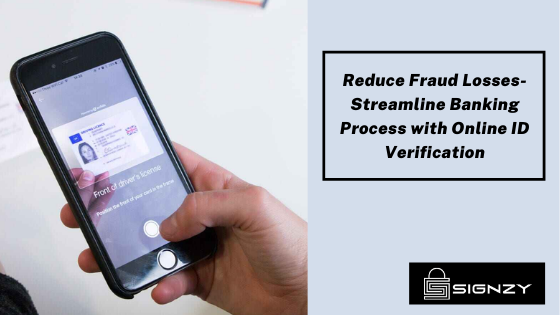
AI-Powered Document Scanning: This cutting-edge age verification scanner analyzes images or live feeds of identity documents, extracting data and verifying their authenticity. AI can detect sophisticated forgeries and inconsistencies far more effectively than the human eye, making it a robust ID scanner for age verification.
Biometric Verification: Utilizing facial recognition or fingerprint scanning, biometric methods offer a highly secure and increasingly common form of user identity verification. While powerful, considerations around privacy and user adoption are paramount.
3. Third-Party Verification Services
Many businesses opt to outsource this complex task to specialized age verification service providers. These platforms offer comprehensive age verification solutions that integrate seamlessly into existing systems, often combining multiple verification methods. They bring expertise, regularly updated databases, and compliance frameworks, allowing businesses to focus on their core operations. This can include a full-fledged identity verification process managed end-to-end.
4. Age Estimation Technology
While not a definitive verification method on its own, age estimation technology uses AI to analyze facial features from a live camera feed or uploaded image to estimate a person's age. It's often used as an initial gateway, particularly for access to content, or in conjunction with other, more robust verification steps, offering a layer of passive age verification technology that minimizes intrusion.
Why Age & ID Verification Matters in Ecommerce
Beyond the obvious, the rationale for robust age & identity verification in the digital realm is multifaceted and critically important for business longevity.
1. Legal & Regulatory Obligations
Operating in age-restricted industries means operating under a microscope. Governments worldwide impose strict regulations, ranging from local liquor laws to international data protection acts.
2. Risk of Non-Compliance
The repercussions of failing to verify age and identity are severe. Fines can be astronomical, licenses can be revoked, and legal battles can occur, demolishing a business. The safe practice would be to adhere to all legal parameters.
3. Growing Demand for Age-Restricted Products Online
The digital migration of commerce means more consumers are seeking age-restricted goods online. This surge in demand necessitates equally robust, yet unobtrusive, verification mechanisms. Businesses need to capitalize on this market growth without compromising their legal standing or ethical responsibilities.
What Causes Friction in the Age and Identity Verification Process?
While essential, the identity verification process can easily become a point of frustration for customers, leading to abandoned carts and lost revenue. Understanding these friction points is the first step toward building a great experience.
1. Manual ID Checks
As discussed, requiring customers to manually upload documents, wait for review, and potentially re-upload if there are issues is a significant deterrent. It breaks the flow of an impulse purchase and introduces unnecessary delays.
2. Redirects to Third-Party Verification Pages
Sending customers away from your checkout flow to an external site, even for verification, introduces disorientation and a perception of risk. It can feel like leaving a secure environment, leading to apprehension and drop-offs.
3. Multiple-Step Onboarding Flows
Each additional step in the checkout or onboarding process increases the likelihood of abandonment. If age and identity verification is layered with too many questions, forms, or navigation points, it quickly becomes cumbersome.
4. Poor Mobile Experience
With a significant percentage of online purchases made on smartphones, a verification process that isn't perfectly optimized for mobile — with tiny text, awkward input fields, or non-responsive designs — will alienate users instantly. A clunky ID scanner for age verification on mobile is a deal-breaker.
5. False Positives/Negatives
An overly aggressive age verification system might flag legitimate customers as underage (false positive), blocking a sale. Conversely, a weak system could allow underage individuals through (false negative), leading to compliance issues. Both scenarios are detrimental.
6. Privacy Concerns
Customers are increasingly sensitive to sharing personal data. If the verification process doesn't clearly articulate how data is used, stored, and protected, or appears to demand excessive information, it will raise red flags and shatter trust.
7. Lack of Transparency
When customers don't understand why they're being asked for verification or what the next step is, anxiety increases. A black-box process breeds uncertainty and frustration.
How to Implement Frictionless Age & ID Verification
The goal is to transform age and identity verification from a hurdle into a barely-there checkpoint. Achieving this requires strategic planning and the right identity verification solutions.
Choose the Right Verification Method
This is paramount. Select an age verification solution that balances accuracy, speed, and user experience. For most ecommerce, a combination of automated database checks and AI-powered document scanning offers the best blend of efficiency and security. Evaluate identity verification tools based on your specific industry compliance needs and customer demographic. Consider solutions that offer real-time results and minimal user input.
Integrate Verification at the Right Checkout Stage
Timing is everything. Integrating age & identity verification too early can deter casual browsers, while integrating it too late can lead to frustrating rejections after a customer has invested time in their purchase. Often, the ideal point is just before payment or as part of the initial account creation for platforms requiring ongoing age checks. The key is to make it a natural, expected part of the flow.
Optimize for Mobile Users
A great mobile experience goes a long way. Ensure your age verification software is user-friendly, highly responsive, and operates seamlessly on any mobile device. This includes optimizing camera access for document scans, clear button placement, and minimal typing. The user interface should be clean, uncluttered, and easy to navigate on a small screen.
Ensure Fast Processing & Real-Time Results
Customers expect instant gratification online. Any delay in the verification process will translate directly into cart abandonment. Prioritize age verification technology that delivers real-time decisions, ideally within seconds. This requires robust backend infrastructure and efficient data processing capabilities.
Provide Clear Instructions & Error Handling
Transparency builds trust. Clearly communicate why verification is needed and what steps the user needs to take. If an error occurs, provide specific, actionable feedback rather than generic messages. Guide users through resubmission or alternative verification paths. A well-designed user experience includes proactive guidance and helpful troubleshooting.
Wrapping Up
It is given that neglecting age and identity verification is not an option for businesses in restricted industries. The challenge, however, lies in implementing these crucial safeguards without alienating valuable customers.
By strategically adopting advanced age verification solutions and focusing on user experience, businesses can transform a potential friction point into a seamless, almost invisible part of the purchasing journey. The future of compliant ecommerce lies in leveraging smart technology to protect both consumers and businesses, ensuring that online orders for age-restricted products are not just processed, but processed responsibly and without a hitch.