What is a Brushless Motor
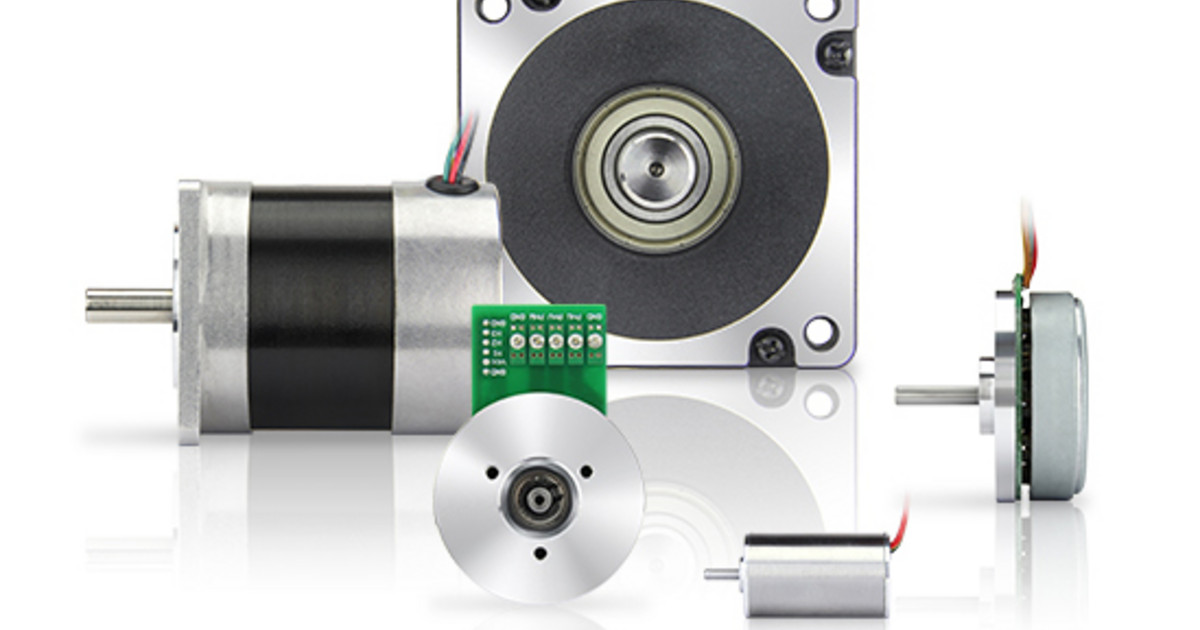
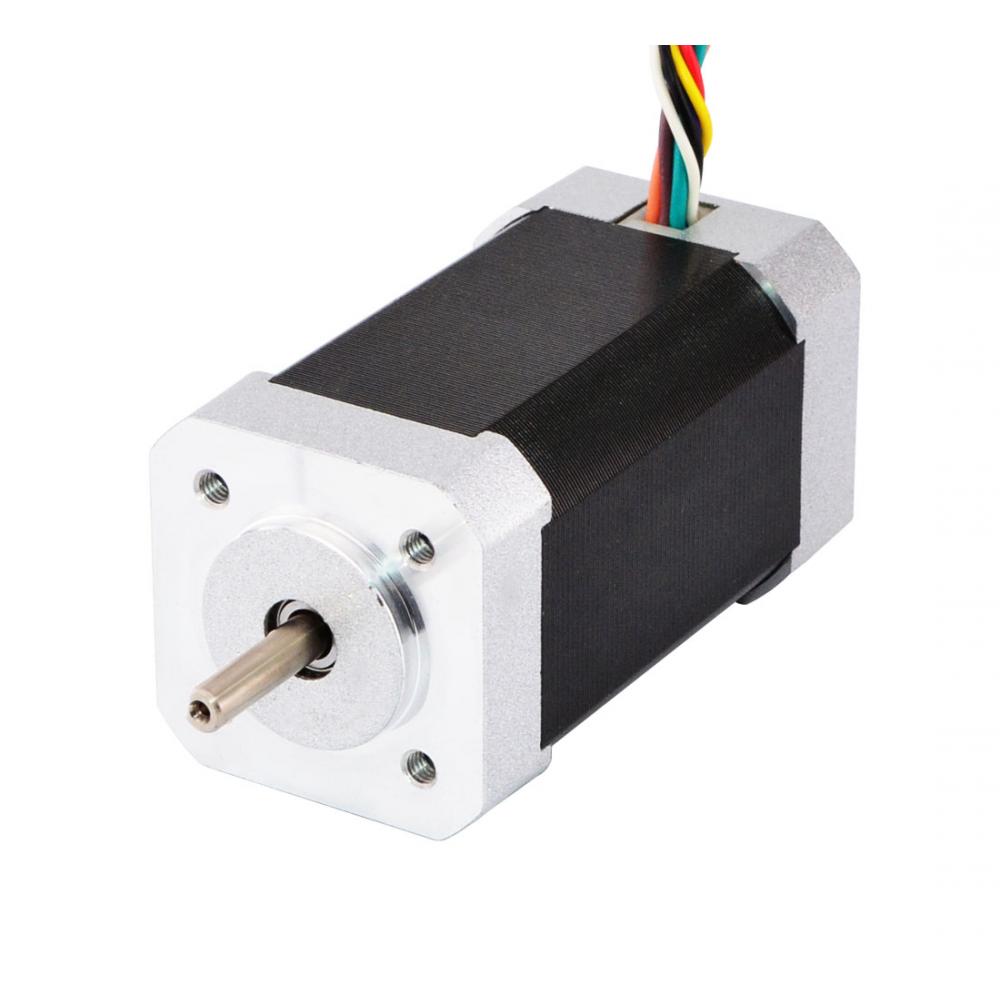
A brushless motor, often abbreviated as BLDC (Brushless Direct Current), is a type of electric motor that has revolutionized the way we think about motor design and performance. Unlike traditional brushed motors, which rely on physical brushes and a commutator to switch the direction of current within the windings, brushless motors eliminate these components entirely. Instead, they utilize electronic commutation to achieve rotational motion, which results in numerous advantages such as higher efficiency, greater durability, and improved performance.
Fundamentally, a brushless motor consists of two main parts: the stator, which contains the windings, and the rotor, which holds permanent magnets. The stator is powered by an electronic controller that switches the current through its windings, creating a rotating magnetic field. This magnetic field interacts with the magnetic field of the rotor, causing it to turn. The absence of brushes means there is no physical contact between moving parts, significantly reducing wear and tear, and enabling the motor to operate reliably over extended periods with minimal maintenance.
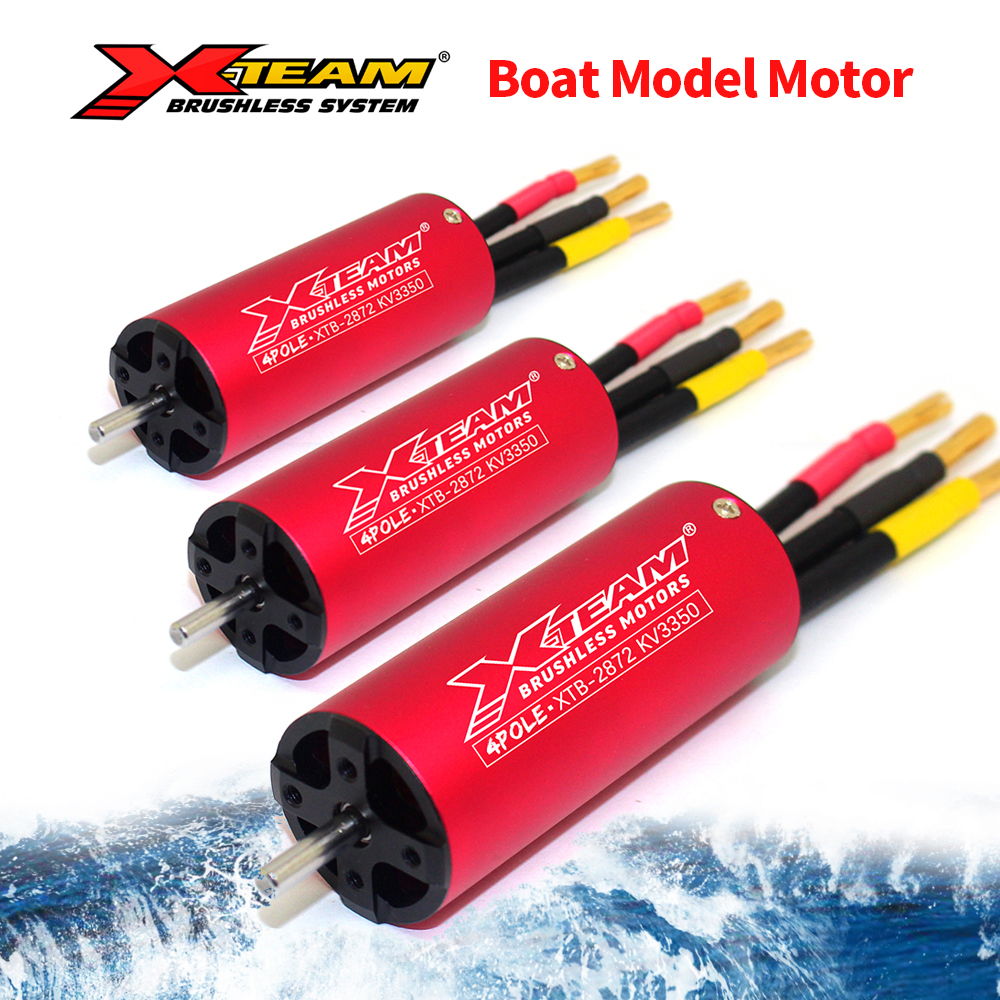
These motors are widely adopted across various industries, including aerospace, automotive, industrial automation, and consumer electronics. In particular, their application in remote-controlled (RC) models, drones, and electric vehicles has surged due to their ability to deliver high performance with precise control. For newcomers to the field, understanding the basics of how brushless motors work, their key benefits, and the different types available can be instrumental in choosing the right motor for specific applications, whether it’s for hobbyist projects or professional engineering solutions.
Brushless Motor vs Brushed
The primary distinction between brushless and brushed motors lies in their construction and operational mechanisms. Brushed motors are simpler in design, featuring brushes that make sliding contact with a commutator attached to the rotor. This contact allows current to flow into the windings, creating a magnetic field that causes the rotor to turn. However, this contact also results in mechanical wear over time, necessitating regular maintenance, and limits the motor's lifespan.
In contrast, brushless motors operate without brushes and a commutator. Instead, they depend on sophisticated electronic controllers that switch the current in the stator windings electronically, based on the rotor’s position. This design offers several clear advantages. Firstly, it significantly increases the efficiency of the motor, as there is less energy lost due to friction and electrical resistance. Secondly, it enhances durability because there are no brushes to wear out, leading to a longer operational lifespan and reduced maintenance requirements.
Additionally, brushless motors tend to be more compact and capable of higher speeds and torque outputs relative to their size. They also generate less electromagnetic interference, which is beneficial in sensitive electronic environments. While the initial cost of brushless motors is generally higher due to the need for electronic speed controllers (ESCs) and more complex manufacturing, their long-term benefits in reliability and performance often justify the investment. For RC hobbyists and drone manufacturers, the decision to opt for brushless over brushed motors often hinges on balancing initial costs with the desire for higher efficiency, longevity, and performance.
How does a Brushless Motor work
The operation of a brushless motor hinges on the interaction between magnetic fields generated by the stator and rotor components. The stator, which contains the windings, is energized by an electronic controller that precisely switches the current through these windings in a sequence. This switching creates a rotating magnetic field that interacts with the rotor, which is equipped with permanent magnets. The rotor responds to this magnetic field and begins to turn, producing mechanical motion.
The core process enabling this rotation is called electronic commutation. Unlike traditional motors that use physical brushes to switch the current, brushless motors rely on sensors or sensorless algorithms to determine the rotor’s position. Sensors such as Hall-effect sensors detect the rotor’s position and send signals to the electronic speed controller (ESC), which then switches the current in the stator windings at the correct moments. In sensorless systems, the ESC interprets back-EMF (electromotive force) signals generated by the motor to infer rotor position.
This precise timing ensures that the magnetic fields continually attract and repel the rotor magnets, maintaining smooth and efficient rotation. The absence of brushes means less energy loss, less heat generation, and reduced mechanical wear, which collectively contribute to higher efficiency and longer lifespan. The high-speed operation, combined with the ability to finely control the motor’s speed and torque, makes brushless motors ideal for applications requiring high precision and reliability, such as in drones, electric vehicles, and industrial automation.
Brushless Motor Types
Brushless motors are diverse, with various types designed to meet specific performance criteria and application needs. The two most common classifications are based on the rotor’s placement relative to the stator: Inrunner (Inner Rotor) and Outrunner (Outer Rotor). Inrunner motors have the rotor positioned inside the stator, typically used in high-speed applications such as precision robotics or small drones. Outrunner motors feature the rotor on the outside, with the stator inside, providing higher torque at lower speeds, making them popular choices for RC cars, larger drones, and other mobile applications.
Another important classification depends on the number of poles—pairs of magnetic north and south poles—within the motor. Motors with more poles produce higher torque at lower speeds, which is advantageous for applications requiring strong, steady power, such as heavy lifting or propulsion. Conversely, motors with fewer poles can achieve higher rotational speeds, suitable for high-speed fans or propellers.
Winding configuration is also a critical factor, with star (Y) and delta (Δ) configurations influencing electrical characteristics and performance. Star windings tend to provide higher voltage and are more efficient at lower currents, while delta windings can handle higher currents and are often used in high-power applications. Manufacturers often customize these configurations based on the specific performance needs, balancing factors such as efficiency, torque, and speed.
Understanding these types allows RC modelers, drone builders, and engineers to select the most appropriate motor for their particular project, ensuring optimal performance, durability, and efficiency. Whether aiming for rapid acceleration, sustained high-speed flight, or heavy load handling, the choice of motor type plays a critical role in achieving desired results.
Brushless Motor Torque
Torque, the measure of rotational force, is one of the most vital parameters when selecting a motor for a specific application. Brushless motors are renowned for their ability to deliver high torque relative to their size, which is a key reason they are favored in high-performance RC vehicles, drones, and industrial machinery. The torque output of a brushless motor depends on several factors, including the motor’s design, magnetic flux density, current supplied, and the efficiency of the electronic control system.
In practical scenarios, high torque enables RC vehicles to accelerate rapidly, climb steep inclines, and carry heavier payloads with ease. For drone applications, sufficient torque ensures stable flight and the ability to respond quickly to control inputs. To optimize torque, engineers and hobbyists must carefully select the motor’s size, winding configuration, and the electronic speed controller (ESC). Proper matching of these components ensures that the motor can deliver the required torque without overheating or experiencing performance degradation over time.
It's important to note that torque is not a static value; it varies with the motor’s speed and load conditions. Brushless motors tend to produce high torque at low speeds, which then gradually decreases as the speed increases. This characteristic makes them suitable for applications where initial power is crucial to overcome inertia or static friction. Advanced control algorithms, such as field-oriented control (FOC), can further enhance torque performance by optimizing current delivery, resulting in smoother operation and more efficient power use.
Brushless Motor Control
The control of a brushless motor is a sophisticated process managed by electronic speed controllers (ESCs). These controllers regulate the timing and magnitude of the electrical current supplied to the motor’s windings, ensuring smooth, efficient, and precise operation. There are two main methods of control: sensor-based and sensorless.
Sensor-based control employs Hall-effect sensors placed within the motor to detect the rotor’s position directly. This provides highly accurate commutation signals, allowing for precise control of the motor’s speed and torque. Sensorless control, on the other hand, relies on detecting back-EMF signals generated by the motor windings. This method eliminates the need for sensors, reducing complexity and cost, but requires advanced algorithms to accurately determine rotor position.
The ESC interprets these signals and switches the current in the windings accordingly, maintaining continuous rotation of the rotor. Modern ESCs offer a range of features, including programmable throttle curves, braking functions, and regenerative power recovery, which can recharge the battery during deceleration. For RC enthusiasts, mastering motor control involves understanding these features and tuning the ESC parameters to match the motor’s characteristics and the specific requirements of the application.
Proper control not only enhances performance but also extends the lifespan of the motor by preventing overheating and mechanical stress. As technology advances, control algorithms become more sophisticated, enabling smoother acceleration, more precise speed regulation, and better responsiveness. This progress makes brushless motors highly adaptable for cutting-edge applications in robotics, aerospace, and high-performance RC devices, offering users a combination of power, efficiency, and reliability that was previously unattainable with traditional motors.