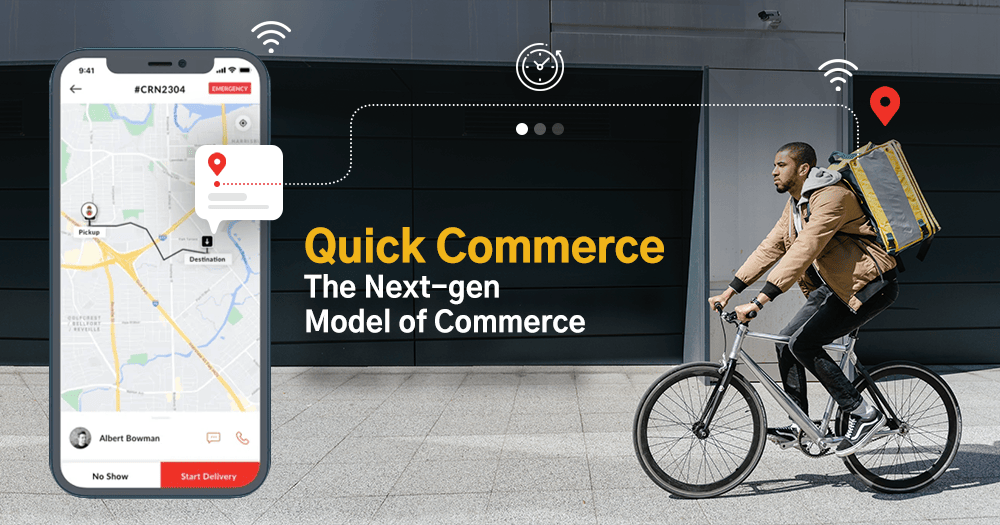
The Brazil quick commerce market is undergoing a dynamic shift, fueled by changing consumer expectations, mobile-first behavior, and the rise of hyperlocal delivery networks. Increasing urbanization and digital access are driving demand for faster, more convenient delivery models that go beyond traditional e-commerce. From grocery staples to personal care, the demand for near-instant gratification is unlocking new possibilities across metropolitan Brazil.
Segmentation Reshaping Consumer Access and Delivery Speed

Quick commerce in Brazil is structured around varying product categories and delivery windows, enabling players to target specific consumer needs.
- Grocery and Everyday Essentials: The core of q-commerce, this segment includes fast-moving items like snacks, dairy, and beverages delivered within minutes.
- Personal Care and Household Goods: Urban consumers are turning to q-commerce platforms for emergency hygiene, baby care, and cleaning products.
- Niche and Specialized Products: Premium items such as OTC medicines, pet food, and health foods are expanding the product scope and raising average cart values.
For regional comparisons and benchmarks, explore the Malaysia Quick Commerce sector report by Ken Research.
Key Players Leading Innovation and Urban Penetration
Several key players have emerged, leveraging logistics innovation, data intelligence, and customer loyalty to stand out in this competitive space.
- iFood: Evolved beyond food delivery to offer essentials through a dark store network in top cities.
- Rappi: Multi-service app integrating quick commerce alongside banking and pharmacy services.
- Zé Delivery: Dominant in alcohol and beverage delivery, driven by its partnership with Ambev.
- Daki (JOKR Group): Built on 15-minute delivery promise, Daki operates hyperlocal warehouses for rapid fulfillment.
Understand how Saudi players are innovating in the Saudi Arabia Quick Commerce industry report by Ken Research.
Competitive Analysis Highlights Market Divergence
Brazil's market players are split between asset-light aggregators and full-stack platforms with their own infrastructure:
- Dark Store-Driven Models: Used by Daki and iFood, these rely on proprietary micro-warehouses to ensure speed and availability.
- Retail-Backed and Aggregator Models: Rappi and Zé Delivery aggregate inventories of local retailers, optimizing for flexibility and service range.
- Players compete based on delivery speed, cost optimization, product assortment, and customer service quality.
For insights into India's q-commerce evolution, read the India Quick Commerce market report by Ken Research.
Challenges Slowing Down Profitability Despite Growth
The sector faces considerable barriers to long-term sustainability and profit margins:
- High Logistics and Fulfillment Costs: Rapid delivery models demand dense warehousing and complex last-mile setups.
- Low Basket Size Economics: The low average order value creates pressure on unit margins, especially when discounts are applied.
- Fleet Management Issues: Rider shortages, rising wages, and logistics inefficiencies add further strain during peak times.
Opportunities Opening New Frontiers for Expansion
Despite these hurdles, new opportunities are driving optimism in Brazil’s quick commerce sector:
- Expansion to Tier 2 Cities: Smaller cities offer untapped markets with rising demand and less competition.
- Tech-Enabled Forecasting: AI and predictive analytics are improving stock planning, driving faster replenishment cycles.
- Premiumization and Loyalty: Memberships, personalized offers, and subscription models are raising repeat usage and lifetime value.
Future Outlook Predicts Consolidation and Experience-Led Growth
Looking forward, Brazil’s quick commerce industry is poised for consolidation, with leading platforms aiming to scale through acquisition or partnership. Consumer expectations will continue to rise, demanding not only speed but also precision, quality, and service variety. Technology will play a critical role—from electric vehicle fleets to warehouse automation and drone delivery pilots. As experience becomes the key differentiator, only the most agile and customer-centric platforms will thrive.
Conclusion
The Brazil quick commerce market stands at the intersection of logistics, technology, and consumer convenience. With key players battling over delivery windows and value-added services, the future will depend on how well companies balance profitability with scale. The next phase of growth will be defined by innovation in customer experience, smart expansion, and sustainable logistics infrastructure.