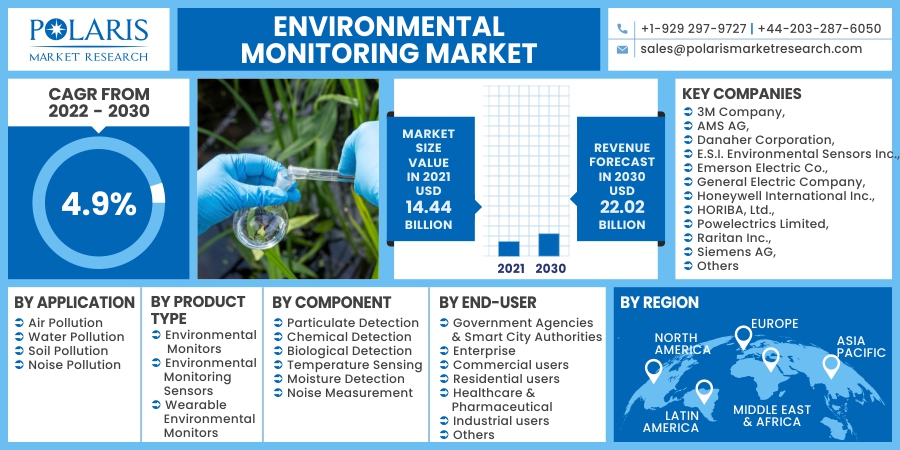


Environmental sensor systems have evolved beyond being solely a subject of scientific research and are now widely applied in practical, real-world contexts, but have instead established themselves as an integral component of process and monitoring systems in companies, institutions and even households. And with increased awareness about climate change, pollution and natural resources management, the need for the most current environmental information is on the rise. Whether monitoring air quality, water quality or temperature changes, environmental monitoring delivers the vital information required to defend human health and ecological systems.
Fundamentally, environmental monitoring consists of a systematic activity of data retrieval and analysis from natural and artificial settings. It allows them to spot trends over time, risk emergent developments and adhere to regulatory requirements. Whether used in agriculture, hospitals, manufacturing, or schools, this technology helps to put safety, sustainability, and compliance first.
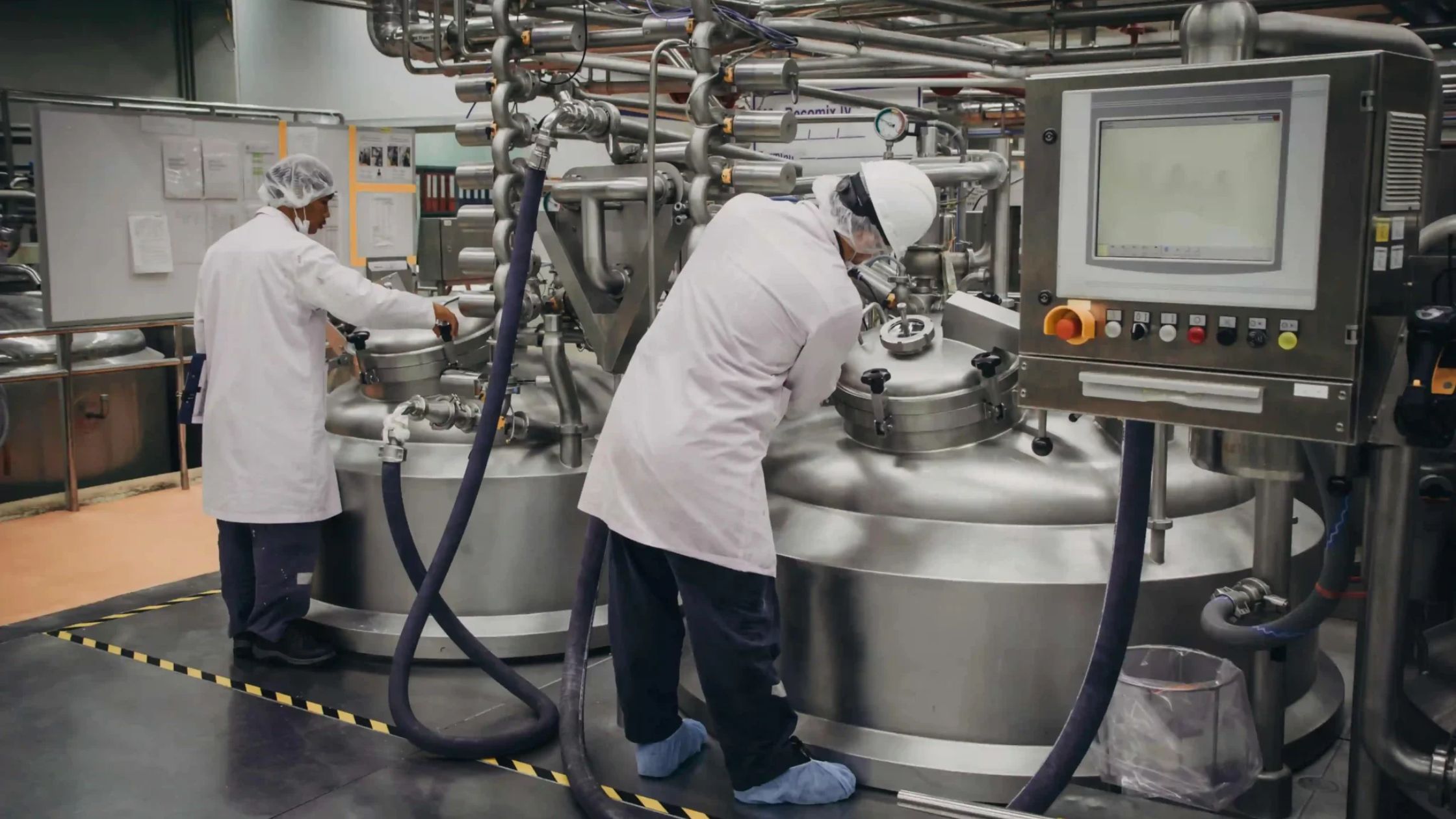
In the environmental monitoring industrial sector, the purpose of environmental monitoring is to determine the concentration of pollutants, to manage the emissions and to ensure the waste is safely disposed of. In the food and drug industries, being able to control the temperature and humidity isn’t just a matter of quality; it’s one of safety. Anomalies could affect the quality of products or breach health regulations, with possible severe outcomes. Such risks are minimized by real-time surveillance systems, which will instantly identify such deviations.
Public health, particularly following the COVID-19 pandemic, has a keen interest in indoor air quality and ventilation efficacy. Facility managers could also put environmental monitoring tools to work at mass scale to measure particulates, CO2 concentrations and volatile organic compounds within the enclosed space, and then make real-time adjustments. This preventative measure results in better health, lower absence rates, and higher productivity in the work and school environment.
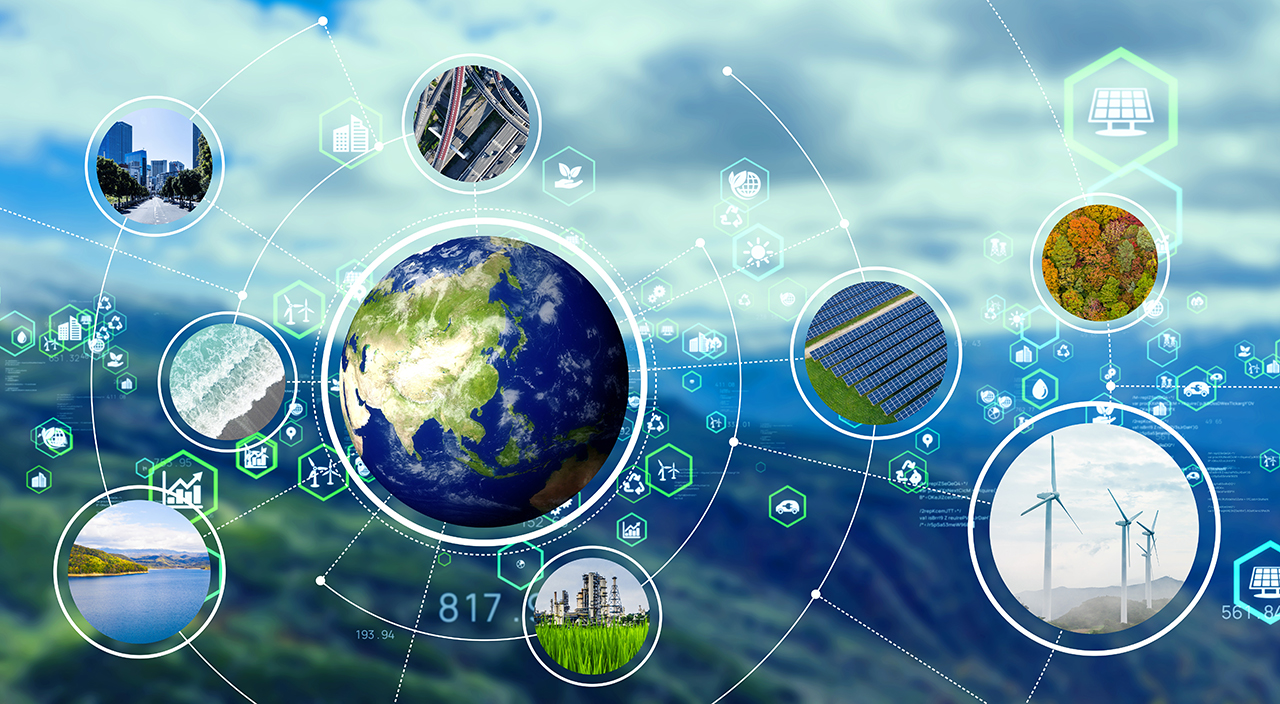
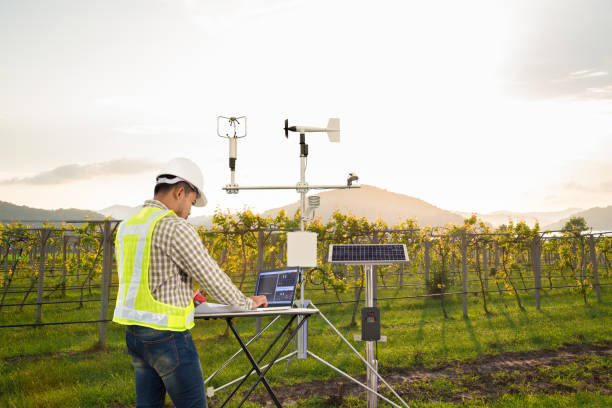
Environmental observation also underpins the adaptation to climate change. By monitoring rainfall, soil moisture, and atmospheric conditions, agricultural and urban planning workers can start to make better decisions. Satellite-shoring and IoT-enabled systems provide scalable solutions that can be connected to GIS and predictive models, allowing for targeted intervention at times and in places where it will make the most difference.
What’s more, regulatory authorities are increasingly demanding real-time environmental data from companies working near sensitive areas. Failure to keep in accordance may result in fines, closures, or a tarnished reputation. It is therefore not just an optional strategy; often, environmental monitoring is a requirement by law.
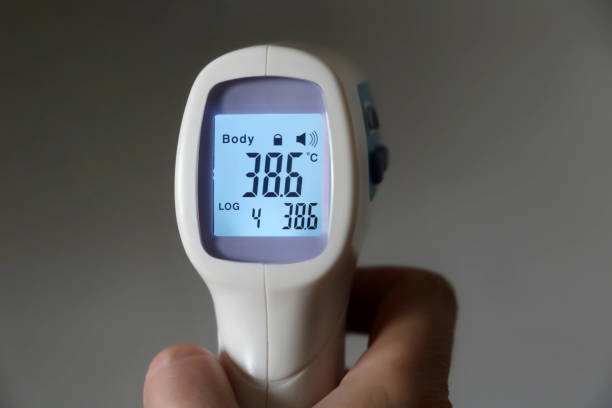
Smart sensors, machine learning and automation are the next generation of environmental monitoring. These innovations will increase data accuracy, eliminate manual supervision and improve actionable insights faster. The processes that previously demanded well-trained staff and lab devices that took up entire shelves can be consolidated into small, easy-to-use instruments the size of a palm.
With more global environmental developments, the need for formal environmental monitoring only increases. It is both a guide and a guardrail, empowering smarter decisions for a world that is more resilient.
Brian Brown is the author of this article. For more details about Temperature Monitoring ,please visit our website: enviromon.net.