

When it comes to choosing commercial garage doors in Castle Rock for warehouse operations, decision-making shouldn’t just be about appearance. Functionality, space usage, durability, and ease of maintenance all come into play. Two options dominate the conversation—rolling steel doors and sectional doors. But which suits your warehouse environment better?
The Case for Rolling Steel Doors
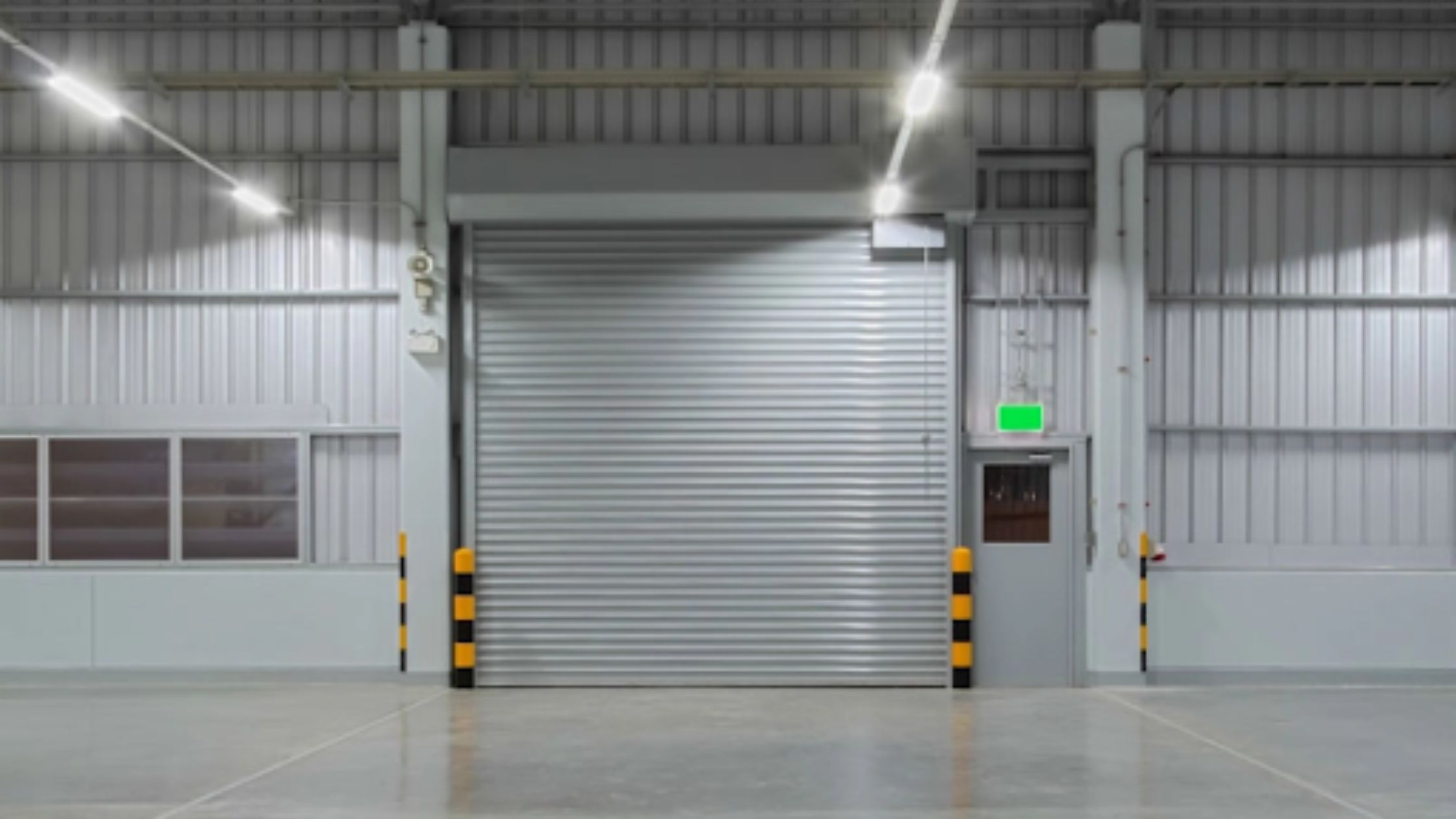
Rolling steel doors are often found in facilities that handle heavy equipment, tight schedules, or high security. These doors are made of interlocking steel slats that coil above the opening instead of sliding overhead. This design keeps the ceiling clear—an underrated benefit for operations that rely on vertical storage or overhead cranes.
They also hold up under pressure. Daily forklift use, large pallet movement, and high-impact work environments can wear out lighter materials, but rolling steel handles the abuse with minimal bending or cracking. If uptime matters and downtime costs money, these doors deliver with their long service life and rugged performance.
Strengths of Rolling Steel:
Saves ceiling space
Handles frequent usage
Resists damage from impacts
Compatible with high-security upgrades
The Case for Sectional Doors
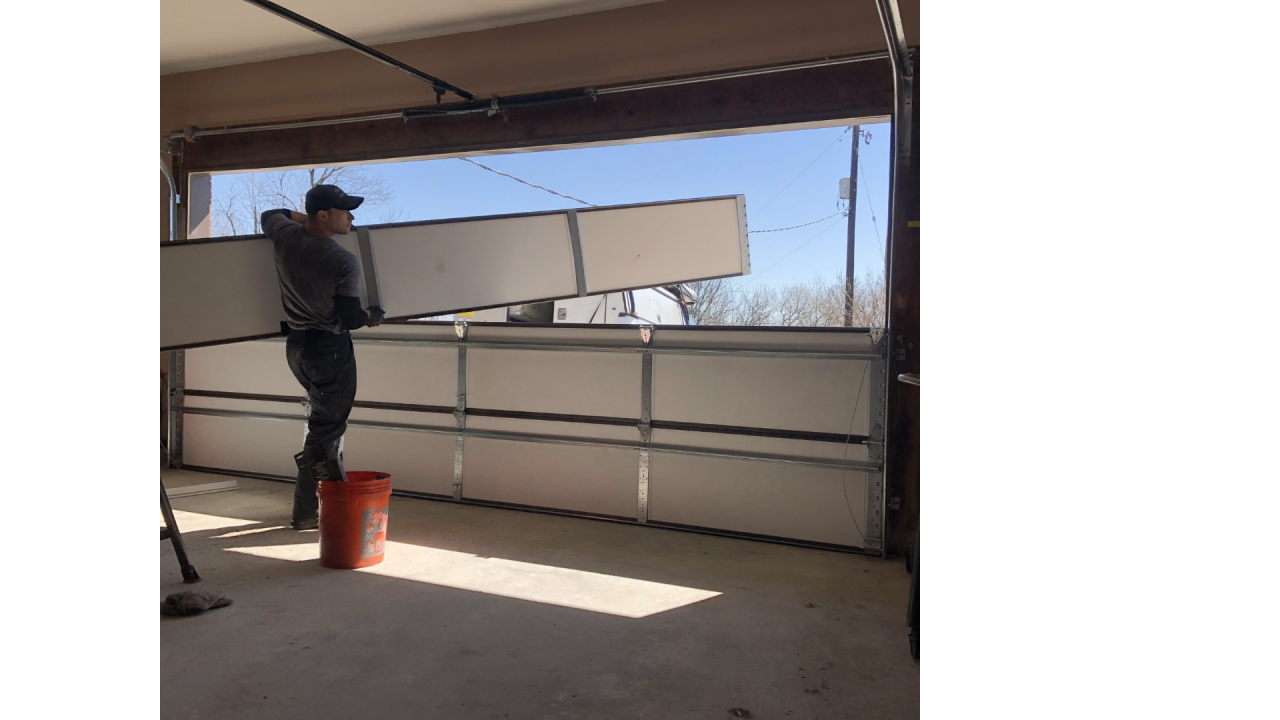
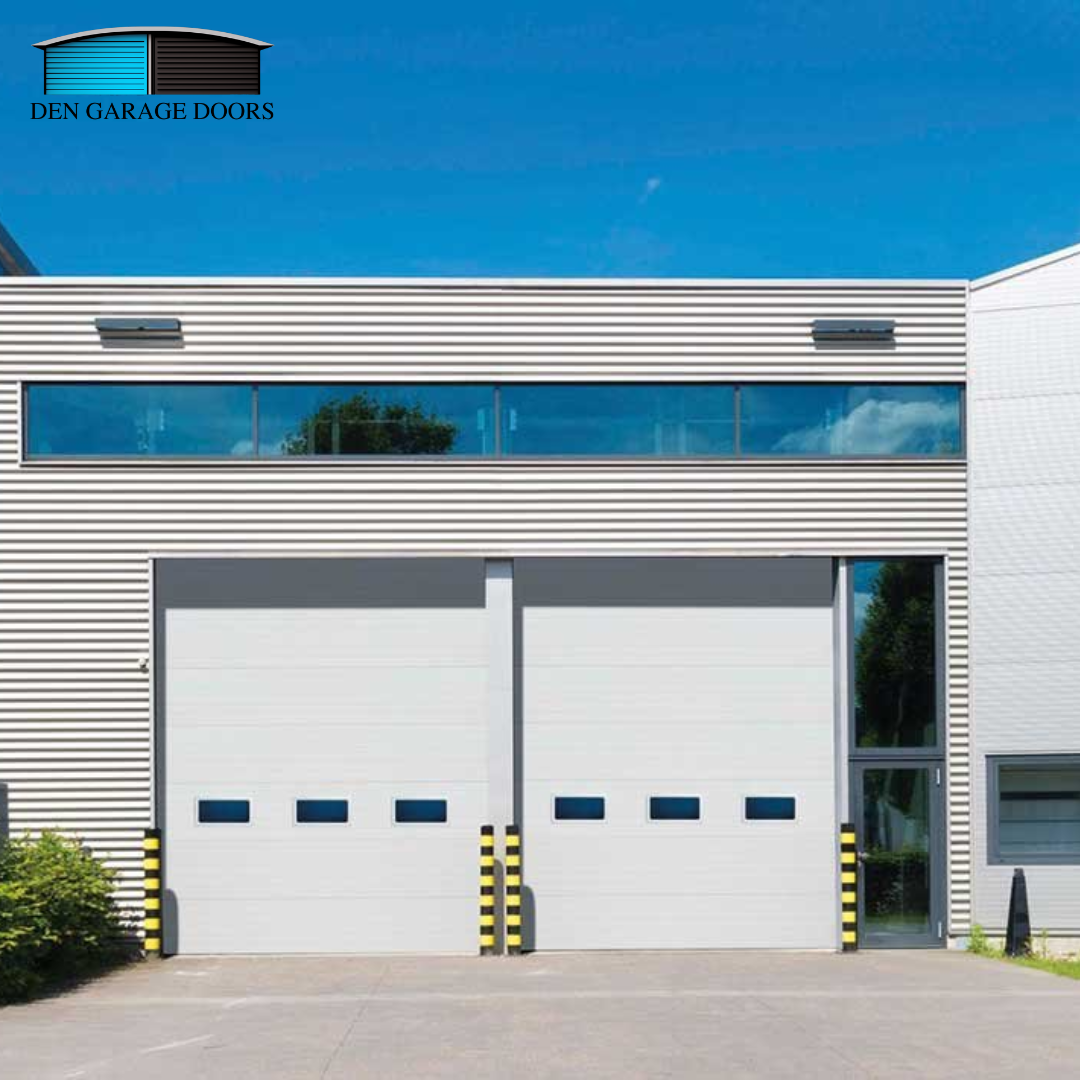
Sectional doors are built using hinged horizontal panels that move along ceiling tracks as they open. These are common in many commercial spaces due to their ease of use, wide design variety, and insulation options. In warehouses focused on climate control—such as food storage or manufacturing—sectional doors often make sense.
They offer smoother, quieter operation, and replacement of individual panels is relatively simple and affordable. However, because they need overhead track space, they may interfere with lighting, piping, or storage racking near the ceiling.
Strengths of Sectional Doors:
Quiet operation
Easier and cheaper to repair
Better insulation options
Broad design flexibility
Key Questions to Consider
How much headroom is available inside your facility?
Do you require superior insulation or weather sealing?
How often will the door be used daily?
Is interior or ceiling-mounted equipment limiting overhead space?
Does your facility handle high-impact operations?
The answers to these can guide the right fit.
Making the Right Call
When selecting commercial garage doors in Castle Rock, it helps to think long-term. Rolling steel may offer lower maintenance and higher durability in demanding environments. Sectional doors bring flexibility and energy efficiency, ideal for controlled storage or quieter operations.
Ultimately, the best door isn’t the most popular—it’s the one that aligns with your daily workflow, your space limitations, and how much downtime you can afford. Matching the door to the operation, not the trend, makes all the difference.
Author Bio:
This article is written by Den Garage Doors, specialists in commercial garage doors in Castle Rock.