


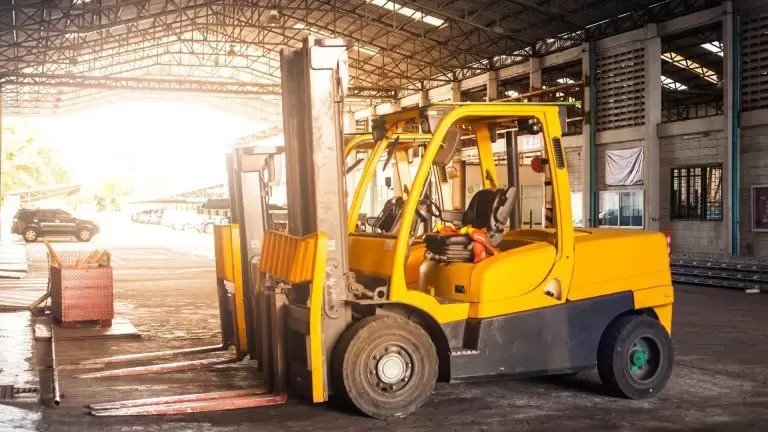
If you are looking to work in warehouses, logistics, or construction sites across Australia, getting a forklift licence is a smart and necessary move. It is not just about meeting a legal requirement ,it is about building confidence and safety in the workplace.
This guide breaks down everything you need to know about how to get a forklift licence in Australia, from eligibility to training and certification.
What is a Forklift Licence
A forklift licence is formal certification that allows you to legally operate a forklift in Australia. It ensures that you have been trained in safe handling, risk assessment, and machine operation.
Employers across industries prefer and often require certified forklift operators because it reduces workplace accidents and improves efficiency.
Types of Forklift Licences in Australia
There are two primary types of forklift licences you can apply for
- LF Licence
Covers all forklifts except for order picking forklifts. This includes counterbalance forklifts, High reach forklift
- LO Licence
Covers order picking forklifts only. These are often used in warehouses where goods are stored at different vertical levels.
Tip: If you are unsure which one to choose, start by identifying the type of job you are targeting. Warehousing jobs may need both.
Forklift Licence Requirements
To enrol in a forklift licence course in Australia, you must meet the following
- Be at least 18 years old
- Have basic English language and literacy skills
- Provide proof of identity such as a driver’s licence or Medicare card
- Complete training through a Registered Training Organisation
- Pass a SafeWork NSW assessment
If you are also planning to work with other heavy machinery, consider adding a white card training course or an excavator licence to broaden your job options.
How to Get a Forklift Licence in Australia
Step 1: Enrol with an Approved RTO
Choose a Registered Training Organisation that is accredited by your local state safety authority. Make sure they have experienced trainers and modern equipment.
Step 2: Complete Your Forklift Training
Training includes both theory and hands on practice, covering topics like
- Hazard management
- Machine controls and operation
- Load handling
- Safety procedure
Step 3: Pass the SafeWork NSW Assessment
You will complete a written test and a practical demonstration of forklift operation in front of a licensed assessor.
Step 4: Receive Your Statement of Attainment
Once you pass, you will receive a certificate showing you have completed the course.
Step 5 :Apply for a High Risk Work Licence
Submit your application to SafeWork NSW or your state authority within 60 days to get your official licence. This is your legal ticket to operate forklifts in workplaces.
Course Duration and Schedule
Most forklift training courses are completed in three days
- Day one and two for training
- Day three for the assessment
Some training providers offer evening or weekend options to fit your schedule.
What You Will Learn in Forklift Training
The course covers essential skills such as
- Planning work safely
- Pre start inspections
- Operating forklifts in various settings
- Handling different load types
- Shutting down equipment correctly
These skills prepare you for roles in industries like logistics, retail, warehousing, and more.
Why a Forklift Licence is Worth It
Here is why getting certified is a smart move
- More job opportunities
- Better pay compared to unlicensed workers
- Improved safety and legal compliance
- More credibility with employers
- Opportunities to combine with a high risk work licence
Conclusion: Start Your Forklift Career with Confidence
Getting a forklift licence in Australia is a valuable step toward building a safer and more rewarding career. From basic training to certification, the process is straightforward and designed to help you succeed.
If you are ready to start, DLI Training offers everything you need. Alongside our forklift licence program, you can also boost your skills with short courses like confined space courses, traffic control, and work safely at heights. These additional certifications help you stand out and increase your chances of getting hired in the construction, warehousing, and logistics industries.
Choose our best heavy vehicle licence program in Brisbane, Gold Coast and NSW.
There are 3 types of Heavy Rigid Licence – these are different because of their conditions (gearbox restrictions) such as Heavy Rigid Unconditional, Heavy Rigid Condition B (HRB), Heavy Rigid Condition A (HRA).


Forklift Training & Licence AssessmentFrom 1 September 2009, training and assessment for a high risk work licence must be undertaken through a Registered Training Organisation (RTO).
Some practical training can occur in the workplace with the approval of the RTO.https://forktime.com.au/forklift-fraining-licence-assessment