Why Tokenize Assets: Unlocking New Opportunities in the Digital Age
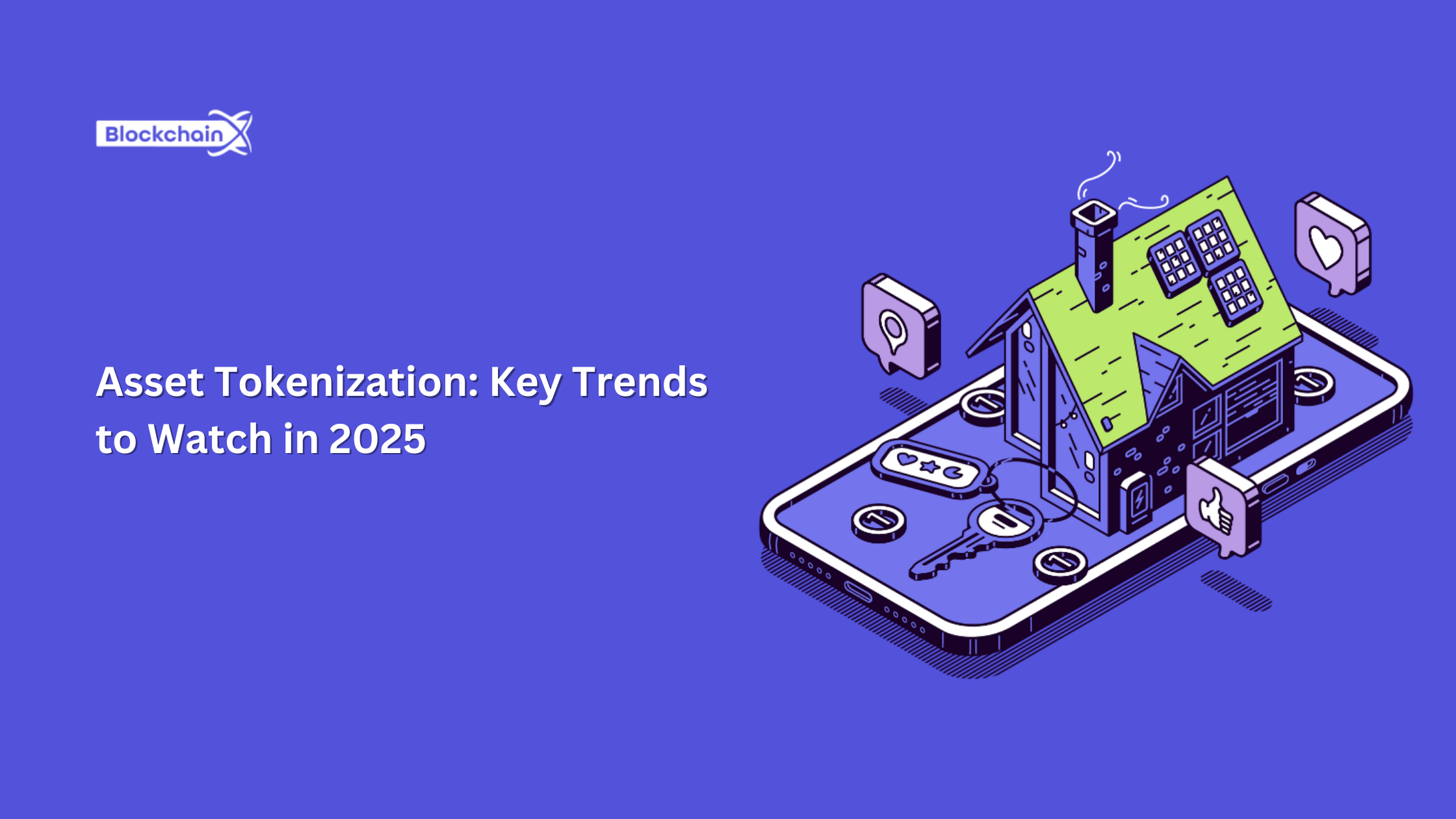
In the rapidly evolving landscape of digital innovation, the concept of tokenization has emerged as a transformative force across multiple industries. Tokenizing assets involves converting real-world or digital assets into digital tokens that are recorded on a blockchain or distributed ledger technology (DLT). This process unlocks a myriad of opportunities for asset management, transfer, and liquidity enhancement, which were previously constrained by traditional methods. The primary motivation behind tokenization is to democratize access to assets, streamline transactions, and reduce operational costs, thereby fostering a more inclusive financial ecosystem.
Tokenizing assets enables fractional ownership, allowing investors to buy, sell, or trade smaller portions of high-value assets such as real estate, art, or commodities. This fractional approach significantly lowers the barriers to entry for individual investors, democratizing access to investment opportunities that were once reserved for institutional players or ultra-high-net-worth individuals. Furthermore, tokenization enhances liquidity by enabling 24/7 trading of assets on digital platforms, thus creating a more dynamic and efficient marketplace.
Another compelling reason to tokenize assets is the increased transparency and security provided by blockchain technology. Each transaction recorded on a blockchain is immutable, traceable, and verifiable, reducing the risk of fraud and ensuring compliance with regulatory standards. This transparency fosters trust among stakeholders and simplifies the audit process. Additionally, tokenization can facilitate faster settlement times, reducing the traditional delays associated with physical asset transfers or paper-based transactions.
Overall, the strategic move towards asset tokenization is driven by the desire to harness the efficiencies of digital technology, unlock liquidity, and create a more inclusive environment for investors and asset owners alike. As industries recognize the immense potential of tokenization, it is poised to redefine the very fabric of asset management and ownership in the digital age.
Tokenization in Finance: Revolutionizing Traditional Financial Systems
The financial sector has been at the forefront of adopting tokenization, recognizing its potential to revolutionize traditional banking, investment, and payment systems. In finance, tokenization primarily refers to converting financial instruments such as securities, bonds, or even currencies into digital tokens that can be traded seamlessly on blockchain platforms. This innovation is transforming how financial transactions are conducted, offering increased efficiency, transparency, and security.
One of the most significant impacts of tokenization in finance is the emergence of security tokens, which are digital representations of traditional securities. These tokens are subject to regulatory compliance, offering a compliant and transparent way to raise capital through tokenized initial coin offerings (ICOs) or security token offerings (STOs). This process simplifies the fundraising process for startups and established companies alike, enabling access to a global pool of investors and reducing the costs associated with traditional IPOs.
Tokenization also enhances liquidity in financial markets. Traditionally, certain assets like real estate or private equity are illiquid, making them difficult to buy or sell quickly. By converting these assets into tokens, investors can trade fractional shares on digital exchanges, thereby increasing market liquidity and enabling more flexible portfolio management. This liquidity boost attracts a broader range of investors, including retail investors, who previously lacked access to such high-value assets.
Moreover, blockchain-based tokenization improves settlement times and reduces counterparty risk. Transactions that once took days to settle can now be completed within minutes or seconds, thanks to the automated and transparent nature of blockchain technology. This efficiency not only benefits investors but also reduces operational costs for financial institutions, paving the way for more cost-effective financial services.
In addition to securities, tokenization is making strides in other areas such as digital currencies and stablecoins. These tokens facilitate instant cross-border payments, reduce transaction fees, and provide a more stable store of value compared to volatile cryptocurrencies. As central banks explore digital currencies, tokenization is likely to play a crucial role in shaping the future of monetary policy and digital banking.
The Asset Tokenization Process: From Concept to Reality
The process of asset tokenization involves multiple stages, each crucial to ensuring the integrity, compliance, and utility of the tokens created. It begins with a thorough assessment of the asset to determine its suitability for tokenization, considering factors such as asset type, legal ownership, valuation, and regulatory requirements. Once the asset is deemed suitable, the next step is to establish a legal framework that clearly defines ownership rights, transfer procedures, and compliance standards.
Following legal structuring, the asset is digitally represented through a process called "digital issuance." This involves creating a unique digital token on a blockchain platform, which corresponds to a specific portion of the asset. Smart contracts are often employed to automate various functions such as dividend distribution, voting rights, or transfer restrictions, ensuring that the token operates within predefined rules.
Next, the tokens are issued to investors via a secure platform, often through a regulated marketplace or private placement. The platform verifies investor identities to comply with Know Your Customer (KYC) and Anti-Money Laundering (AML) regulations, ensuring that the process adheres to legal standards. Once issued, the tokens can be traded on secondary markets, providing liquidity and flexibility for investors.
Throughout the entire process, transparency and security are paramount. Blockchain technology ensures that every transaction and transfer is recorded immutably, providing a clear audit trail. Additionally, the use of cryptographic techniques safeguards the integrity of the tokens and protects against fraud or hacking attempts.
The asset tokenization process is continually evolving, with advancements in blockchain technology, regulatory frameworks, and digital infrastructure making it more accessible and efficient. As more industries adopt tokenization, best practices and standardized procedures are emerging, making it easier for businesses and investors to participate in this digital revolution.
Cryptocurrency Token Creation: Building the Foundation of Digital Economies
Creating a cryptocurrency token is a fundamental aspect of blockchain technology that underpins much of the digital asset ecosystem. Unlike traditional currencies issued by central banks, cryptocurrencies are decentralized digital tokens that operate on blockchain networks. The process of creating a cryptocurrency token involves technical, regulatory, and strategic considerations, each vital to ensuring the token’s success and utility.
At its core, token creation begins with selecting a blockchain platform that supports token issuance, such as Ethereum, Binance Smart Chain, or Solana. Each platform offers different features, scalability options, and compatibility with smart contracts. Developers then design the token’s specifications, including its name, symbol, total supply, divisibility, and whether it will be fungible or non-fungible. Fungible tokens are interchangeable, like traditional currencies, while non-fungible tokens (NFTs) represent unique assets such as digital art or collectibles.
The next step involves writing the smart contract code that defines the token’s rules and functionalities. This code automates key functions such as transfers, balances, and permissions. Once the smart contract is thoroughly tested and audited to ensure security and compliance, it is deployed on the chosen blockchain network. The deployment process generates the token’s contract address, which serves as its unique identifier.
After deployment, the token is often listed on exchanges or integrated into various digital platforms to facilitate trading and utility. Marketing and community engagement are also crucial to establish demand and foster adoption. Many projects also implement governance mechanisms, allowing token holders to participate in decision-making processes related to the project’s future development.
Creating a cryptocurrency token is more than just a technical exercise; it requires strategic planning, legal compliance, and community building. As the digital economy continues to expand, the ability to create and manage tokens effectively will become an essential skill for entrepreneurs and developers seeking to innovate within the blockchain space.