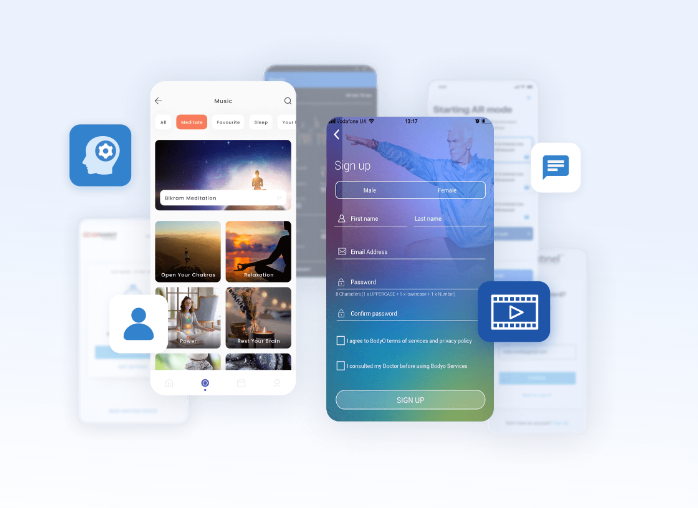
In recent years, mental health apps have emerged as a vital tool in providing accessible and affordable mental health support to millions worldwide. These apps offer services ranging from mood tracking and meditation guidance to therapy chatbots and cognitive behavioral therapy (CBT) exercises. As the demand for personalized and effective mental health solutions grows, the integration of Artificial Intelligence (AI) and Machine Learning (ML) technologies has become a game-changer.
This article explores how AI and ML are transforming mental health app development, making these digital tools smarter, more responsive, and capable of delivering highly personalized care. If you're involved in mental health app development, or you’re a stakeholder in creating a mental health app, understanding these cutting-edge technologies is essential. Additionally, health app developers stand to benefit immensely from leveraging AI/ML to enhance app functionality and user engagement.
Why Mental Health Apps Need AI and Machine Learning
Mental health is complex, deeply personal, and ever-changing. Traditional one-size-fits-all approaches often fall short when addressing individual needs. Mental health apps, powered by AI and ML, can analyze vast amounts of user data to provide tailored experiences and timely interventions.
Personalization: AI can adapt the app’s content, recommendations, and interactions based on users' behaviors, symptoms, and preferences.
Scalability: AI-powered solutions can serve millions of users simultaneously without the limitations of human therapists’ availability.
24/7 Accessibility: AI chatbots and virtual assistants can provide continuous support, reducing the gap between therapy sessions or clinical visits.
Early Detection: Machine learning models can detect subtle changes in user mood or behavior patterns that might indicate worsening mental health, enabling early intervention.
Key AI and Machine Learning Technologies in Mental Health Apps
1. Natural Language Processing (NLP)
Natural Language Processing is a branch of AI that allows computers to understand, interpret, and respond to human language in a meaningful way. In mental health apps, NLP powers conversational agents or chatbots that simulate human-like therapy sessions.
Symptom Recognition: NLP analyzes user inputs to detect symptoms of anxiety, depression, or stress.
Sentiment Analysis: AI assesses the emotional tone behind the words to gauge users' mood and tailor responses accordingly.
Therapeutic Conversations: Chatbots trained with NLP techniques can guide users through cognitive behavioral therapy exercises or mindfulness practices.
By integrating NLP, health app developers can create apps that feel empathetic and responsive, fostering user trust and engagement.
2. Predictive Analytics
Machine learning algorithms analyze historical data to predict future outcomes. For mental health apps, this means identifying patterns in user behavior that signal potential mental health crises.
Risk Assessment: Predictive models can assess the risk of suicidal ideation or relapse in patients with mood disorders.
Personalized Recommendations: Based on predictions, apps can suggest coping mechanisms, professional help, or emergency contacts.
This proactive approach helps in creating a mental health app that not only responds to current issues but anticipates and prevents future challenges.
3. Computer Vision and Emotion Recognition
Some advanced mental health apps utilize computer vision techniques to analyze facial expressions, eye movement, and speech patterns through the user's smartphone camera and microphone.
Emotion Detection: AI can detect signs of sadness, anxiety, or stress from facial cues.
Engagement Monitoring: Understanding non-verbal cues helps apps adjust the user interface or content dynamically for better engagement.
This technology complements traditional self-reporting methods, giving a more comprehensive view of the user's mental state.
4. Personalized Content Delivery
AI and ML enable mental health apps to deliver personalized content such as meditation sessions, mood tracking prompts, or journaling exercises tailored to the user’s needs.
Adaptive Learning: The app learns which types of interventions work best for each user over time.
Dynamic Scheduling: Based on user engagement patterns, AI optimizes notification timing to encourage consistent app use.
Such personalized experiences increase the effectiveness of the app and foster long-term user commitment.
Benefits of AI-Enhanced Mental Health Apps
Improved Accuracy and Efficiency
By automating routine tasks like symptom tracking and initial assessments, AI reduces the burden on human therapists and clinicians. ML models continuously improve accuracy as they learn from more data, resulting in better diagnostics and treatment suggestions.
Increased Accessibility
AI-powered chatbots and virtual therapists make mental health support accessible to people in remote areas or those reluctant to seek traditional therapy due to stigma or cost.
Cost Reduction
Integrating AI into mental health apps lowers operational costs by reducing the need for continuous human oversight, making mental health care more affordable.
Continuous Monitoring and Feedback
Unlike traditional therapy that often involves weekly sessions, AI-enabled apps can provide real-time monitoring and immediate feedback, allowing users to manage their mental health actively.
Challenges and Ethical Considerations
While AI and ML bring impressive capabilities to mental health apps, they also introduce challenges:
Data Privacy: Sensitive mental health data requires strict privacy protections and secure storage.
Bias and Fairness: AI models must be trained on diverse datasets to avoid biases that could harm certain user groups.
Transparency: Users should understand how AI-driven decisions are made in the app.
Human Oversight: AI should complement, not replace, human therapists, ensuring that users receive professional care when needed.
Addressing these concerns is crucial for responsible mental health app development.
How Health App Developers Can Leverage AI and Machine Learning
For developers and companies involved in creating a mental health app, incorporating AI and ML requires:
Collaborating with Mental Health Experts: To ensure clinical relevance and ethical standards.
Investing in High-Quality Data Collection: Data diversity improves model accuracy and fairness.
Prioritizing User Privacy: Implementing encryption and compliance with regulations like GDPR and HIPAA.
Iterative Testing and Validation: Regularly updating ML models based on real-world feedback.
Building Transparent Interfaces: So users understand AI's role in their mental health journey.
By following these best practices, health app developers can create innovative, trustworthy, and impactful mental health solutions.
Conclusion
Artificial Intelligence and Machine Learning have become indispensable tools in modern mental health app development, providing unprecedented opportunities for personalization, scalability, and real-time support. From NLP-powered chatbots and predictive analytics to emotion recognition and adaptive content delivery, these technologies significantly enhance the effectiveness and accessibility of mental health care.
As the field evolves, it is vital for developers and stakeholders involved in creating a mental health app to embrace AI responsibly, ensuring ethical standards and user privacy remain top priorities. By doing so, the next generation of mental health apps will not only improve patient outcomes but also reshape how mental health support is delivered worldwide.

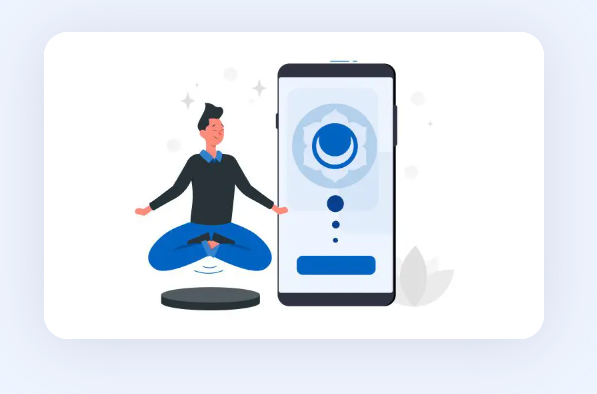

Here are some of the Mental Health App for iOS and Android that surely help you to care for your mental wellbeing:In the current generation, almost everyone experiences mental health issues like anxiety, depression or maybe other different problems.
The common age group comes under this are youth mean college students, celebrities and general people.With the purpose of healthy life and reduce daily stress here is the list of best mental health apps 2019 or we can say mental health apps for the student, mental health apps for anxiety, mental health apps for depression and mental health apps for college student.