





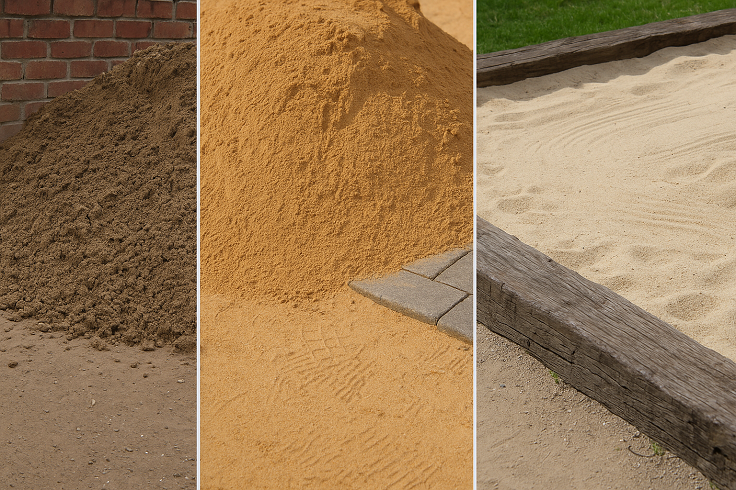
What’s the Difference Between Filling, River, and Washed Sand?
When it comes to construction and landscaping, the type of sand you choose can make a world of difference. You might think that all it is all created equal, but that's far from the truth. The choices can be overwhelming—filling, river, or washed sand? Each has its unique characteristics and applications.
Understanding these differences will help you select the right material for your project. Whether you're paving a driveway, creating a garden oasis, or backfilling around foundations, knowing your options is key to achieving solid results. Let’s dig into what sets these products apart!
Washed Sand Explained: Why It’s the Cleanest Option
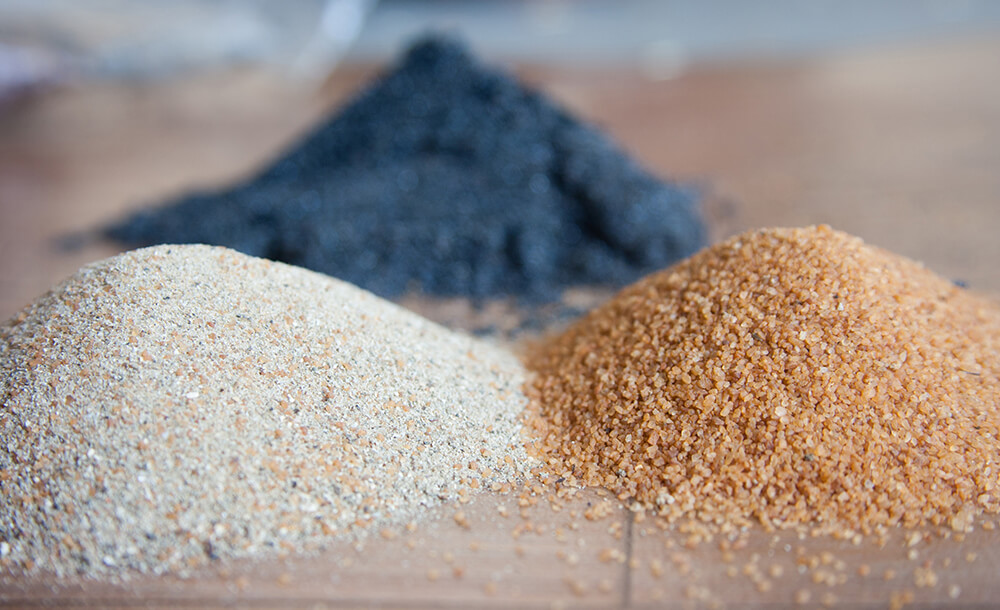
Washed sand stands out as the cleanest option available. It undergoes a thorough cleaning process, removing impurities and silt that can compromise its quality. This makes it ideal for various applications.
The washing process involves rinsing it in water to eliminate dust, clay, and other unwanted particles. As a result, what you get is fine grains that are free from contaminants.
This purity enhances its versatility. Whether you're laying pavers or creating concrete mixes, washed sand provides superior performance.
Moreover, using this material helps prevent clumping during application. This means easier spreading and better adherence when used with other materials.
If cleanliness matters in your project—particularly for landscaping or high-quality construction—this is undoubtedly the way to go. Its consistent texture ensures reliable results every time you use it.
Which Sand Is Best for Paving, Landscaping, or Backfilling?
When choosing sand for paving, landscaping, or backfilling projects, the type of material you select can make a significant difference in performance.
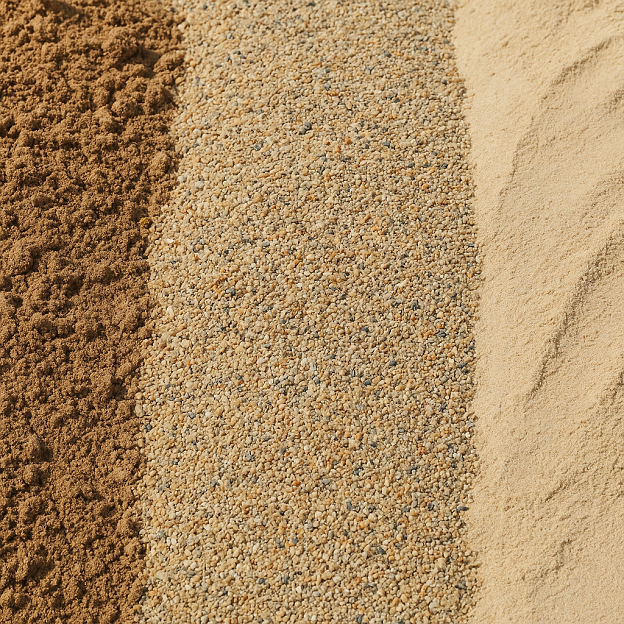
For paving applications, paver sand is often the go-to choice. It’s specifically designed to provide stability and support for interlocking pavers while allowing water drainage.
Landscapers may prefer washed sand due to its clean texture and minimal impurities. This makes it ideal for creating smooth surfaces in gardens or as a base layer under decorative features.
Backfilling requires different properties altogether. Here, filling sand is typically used because it compacts well and provides solid support around foundations or retaining walls.
Each project has distinct needs; understanding these differences ensures durability and enhances aesthetic appeal in your outdoor spaces.
Drainage and Compaction: Performance Differences That Matter
Filling sand often has larger particles and can be mixed with clay. While it's ideal for leveling surfaces and filling voids, it may not provide the same drainage benefits as washed sand. This difference becomes particularly significant when dealing with landscaping projects that require efficient water management.
River sand typically contains a range of particle sizes due to its natural origin, but it lacks the cleanliness required for specific applications, such as paving. It can compact well, but might not offer optimal drainage capabilities compared to washed options.
Understanding these differences helps you select the right material based on your project's requirements—whether you're laying pavers or preparing a garden bed. The right choice ensures durability and effective functionality over time, giving your outdoor spaces both beauty and practicality.
Conclusions
Whether you’re working on construction, landscaping, or decorative projects, knowing the differences between filling, river, and washed sand helps you choose the right material for the job. For expert advice and top-quality sand delivered straight to your site, trust Turtle Nursery And Landscape Supplies—your reliable partner in creating strong, beautiful, and lasting results.

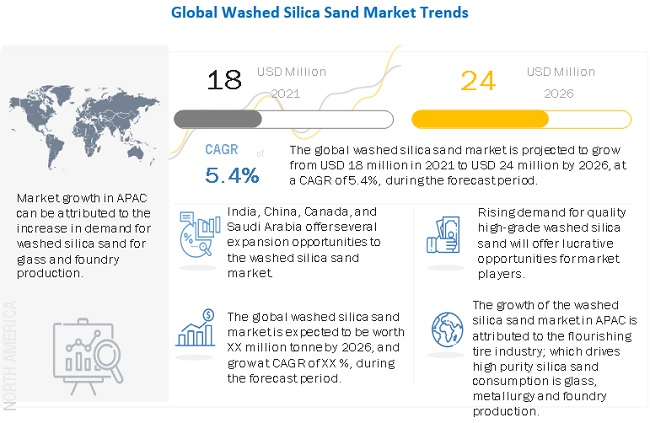
The report "Washed Silica Sand Market by Fe Content (>0.01%, ≤0.01%), Particle Size (≤0.4mm, 0.5mm – 0.7mm, >0.7mm), Application (Glass, Foundry, Oil well cement, Ceramic & Refractories, Abrasive, Metallurgy, Filtration) and Region - Global Forecast to 2026", size is projected to grow from USD 18 million in 2021 to USD 24 million by 2026, at a CAGR of 5.4% from 2021 to 2026.
The market is projected to grow in accordance with the increase in the demand for silica sand for numerous applications, particularly for glass and foundry application across the globe.
Furthermore, the silica sand market has witnessed a significant increase in demand, owing to its demand as a good refractory material, across various end use industries.♦ Download PDF Brochure - https://www.marketsandmarkets.com/pdfdownloadNew.asp?id=23955586In 2020, the washed silica sand market was impacted to a very low extent by the COVID-19 pandemic with a nominal decline in CAGR.
The market has been hampered owing to reduced raw material production, supply chain disruptions, and hampered trade movements during 2020.
The end-use industries, such as glass, foundry, and ceramic & refractories, were affected by the pandemic.Opportunity: Rise in construction and infrastructural activitiesThe rise in construction and infrastructural activities is expected to drive the demand for washed silica sand across the globe during the forecast period.
Silica sand is largely used in glass production; about 65%-70% of the raw material is silica sand in glass volume.