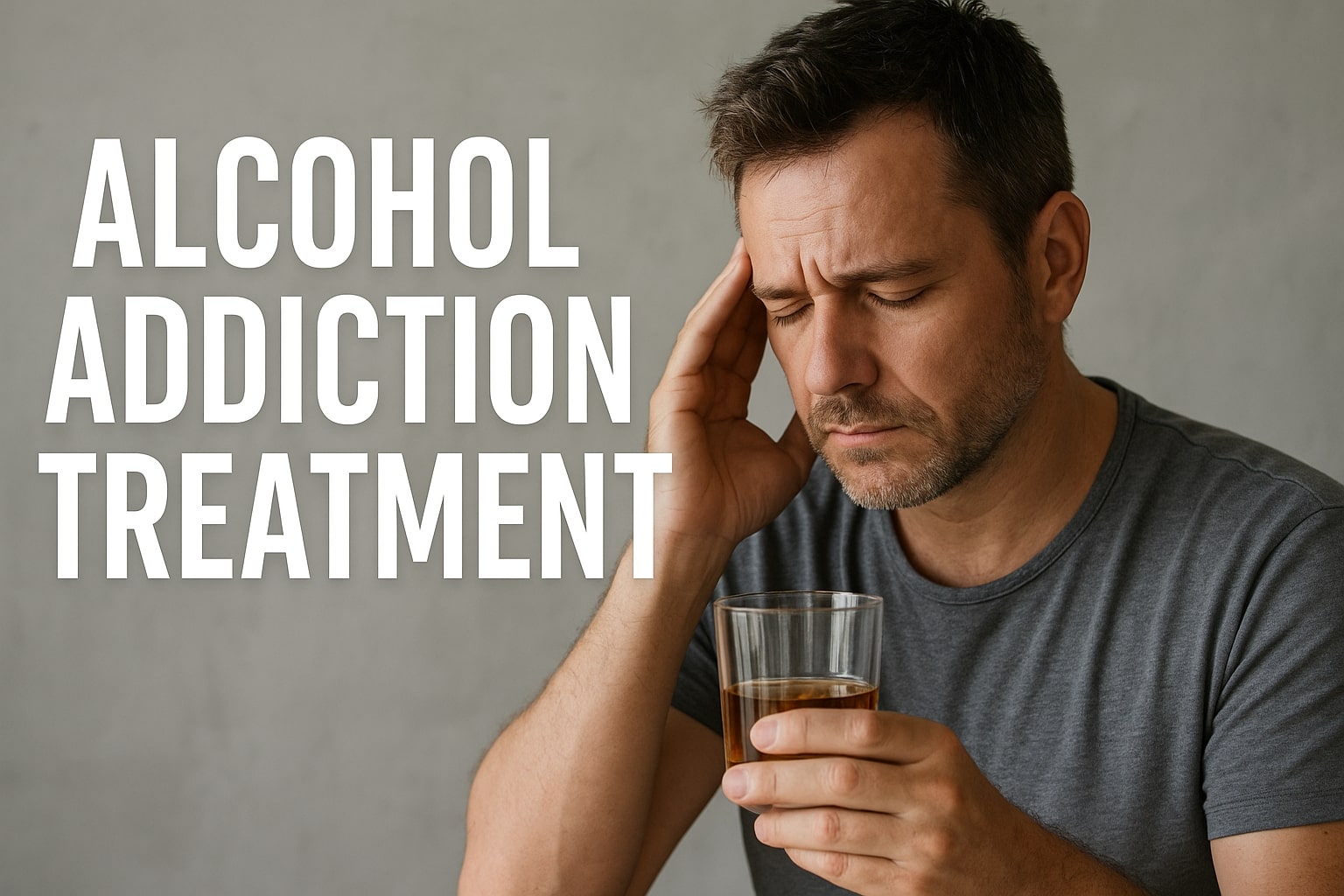
Alcohol addiction is a serious issue that impacts millions of people worldwide, affecting not only physical health but also mental well-being, relationships, and career stability. Finding the right path to recovery is crucial for breaking free from the cycle of dependency. Alcohol Addiction Treatment offers individuals a structured approach to regain control over their lives, combining medical care, psychological support, and lifestyle changes to achieve long-term sobriety.
In this detailed guide, we’ll explore what alcohol addiction is, signs and symptoms, various treatment options, and how to maintain a sober and healthy lifestyle after recovery.

Understanding Alcohol Addiction
Alcohol addiction, also known as alcoholism or Alcohol Use Disorder (AUD), is a chronic disease characterized by the inability to control drinking despite negative consequences. It can develop gradually or quickly, depending on genetic, psychological, and environmental factors.
Key Causes of Alcohol Addiction:
Genetics – Family history can increase the risk of developing alcoholism.
Mental Health Disorders – Depression, anxiety, and PTSD often lead to self-medication with alcohol.
Environmental Factors – Peer pressure, work stress, and social drinking culture.
Early Exposure – Starting alcohol consumption at a young age increases addiction risk.
Signs and Symptoms
Recognizing early signs can help prevent the addiction from worsening. Common symptoms include:
Craving alcohol regularly
Drinking more than intended
Neglecting work, family, or personal responsibilities
Withdrawal symptoms like shaking, sweating, or nausea when not drinking
Increased tolerance, requiring more alcohol to feel its effects
Types of Alcohol Addiction Treatment
Treatment for alcohol addiction isn’t one-size-fits-all. The right approach depends on the severity of the addiction, mental health conditions, and personal circumstances.
1. Detoxification (Detox)
The first step in most treatment programs, detox involves safely removing alcohol from the body. Medical supervision is essential to manage withdrawal symptoms such as seizures, hallucinations, or delirium tremens (DTs).
2. Inpatient Rehabilitation
What It Is: Residential treatment where patients stay in a facility for 30–90 days.
Benefits: 24/7 care, structured environment, group and individual therapy sessions, medical monitoring.
3. Outpatient Rehabilitation
What It Is: Patients live at home but attend therapy sessions several times a week.
Benefits: Flexibility to work or study, lower cost compared to inpatient care.
4. Therapy and Counseling
Cognitive Behavioral Therapy (CBT): Helps identify triggers and replace negative thought patterns.
Motivational Interviewing (MI): Encourages self-motivation for change.
Family Therapy: Involves loved ones in the recovery process to rebuild relationships.
5. Medication-Assisted Treatment (MAT)
Medications such as Naltrexone, Acamprosate, or Disulfiram can help reduce cravings or cause adverse reactions to alcohol, discouraging consumption.
6. Support Groups
Programs like Alcoholics Anonymous (AA) and SMART Recovery offer peer support, encouragement, and accountability.
The Role of Lifestyle Changes in Recovery
Even after completing formal treatment, making sustainable lifestyle changes is critical to preventing relapse.
Healthy Coping Strategies:
Exercise regularly to boost mood and reduce stress.
Adopt a balanced diet to restore physical health.
Engage in hobbies to replace old drinking habits.
Build a support system with sober friends and family.
Practice mindfulness through meditation or yoga.
Challenges in Alcohol Addiction Treatment
Recovery can be challenging due to:
Social Pressures: Friends or family who still drink.
Stressful Life Events: Financial issues, job loss, or relationship breakdowns.
Mental Health Struggles: Depression and anxiety may resurface during sobriety.
Relapse Risks: Environmental triggers and emotional stress can lead to setbacks.
Preventing Relapse
Relapse prevention is a vital part of any recovery plan. Here are strategies to stay on track:
Recognize Triggers: Identify situations, people, or emotions that lead to cravings.
Regular Check-Ins: Keep attending therapy or support groups.
Set Realistic Goals: Focus on small, achievable milestones.
Have an Emergency Plan: Know who to call or what to do if cravings become overwhelming.
Benefits of Seeking Alcohol Addiction Treatment
Choosing to undergo treatment can transform your life:
Improved Physical Health: Lower risk of liver disease, heart problems, and cancer.
Better Mental Health: Reduced anxiety, depression, and emotional instability.
Stronger Relationships: Rebuilding trust with family and friends.
Increased Productivity: Better focus, energy, and motivation.
Longer Lifespan: Lower risk of alcohol-related accidents and health complications.
Final Thoughts
Alcohol addiction is a complex but treatable condition. With the right combination of medical support, therapy, lifestyle changes, and a strong support network, anyone can break free from alcohol dependency. Alcohol Addiction Treatment is not just about stopping alcohol consumption—it’s about rebuilding your life, restoring your health, and rediscovering your potential.
If you or someone you know is struggling with alcohol addiction, remember: seeking help is the first step toward recovery. Every journey begins with a decision, and yours can start today. https://alphahealingcenter.in/alcohol-addiction-treatment/