





If you’ve ever watched two horses squabble over a patch of grass like it's the last donut at a staff meeting, you’ve seen social dynamics in motion. Horses are herd animals with emotional lives and social rules that would make office politics blush. As a therapist who’s spent plenty of time observing (and occasionally mediating) human–horse relationships, here are practical, humane techniques to improve equine social interactions — explained in plain language, with a pinch of therapist-y metaphors and a wink.
1. Respect herd language first.
Horses talk with bodies, not words. Ears, head height, the flick of a tail — these are sentences. Before you intervene, learn the grammar. Stand back, watch posture and spacing. Often what looks like “drama” is simply horses negotiating hierarchy. Your job: understand the conversation, not immediately translate it into human terms.
2. Start slow with staged introductions.
Introduce new members on neutral ground, not the home paddock where the incumbent group has territorial feelings. Use a visual barrier (fence line) so they can see and smell each other without full contact. Think of it as speed-dating with safety rails: multiple short, supervised visits beat one impulsive meet-and-greet.
3. Use parallel work and shared routines.
Horses bond through shared activities. Grazing side-by-side, turnout at the same time, or simple lunging sessions nearby reduce novelty and create predictable structure. Routine builds trust: predictability is the equine equivalent of a therapist’s consistent office hours.
4. Reinforce calm behavior (positive reinforcement).
Reward horses for non-aggressive choices. A small treat, a soft scratch, or releasing pressure when they relax teaches them socially appropriate behavior. Avoid punishment-based escalation — it increases anxiety and rivalry. Think: congratulate desired behavior, don’t scold awkward attempts at social grace.
5. Match playmates by temperament and age.
A bossy adolescent and a stoic elder might not be the best roommates. Pair more assertive horses with those who can hold boundaries, and shy horses with gentle models. It’s like choosing compatible roommates — personality clashes are predictable and preventable.
6. Manage resources to reduce competition.
Feeders, water troughs, and shelter should be sufficient and well-spaced to prevent bullying. Multiple hay stations and split turnout time can reduce zero-sum situations that trigger conflict.
7. Use stall/pen time to decompress.
After an intense social interaction, give horses a cooldown period apart. A little alone time prevents resentments from simmering. Humans need it; horses do too.
8. Address pain and health issues.
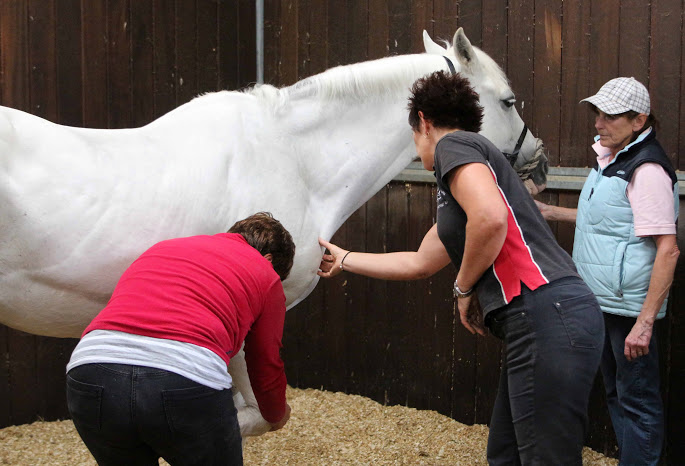
I’ll be blunt: grumpy horses are often sore horses. Rule out medical causes for aggression or withdrawal. A vet check is the equine equivalent of a therapist’s assessment — essential before you diagnose personality.
9. Model calm leadership.
Your energy matters. Horses pick up on tension. Move deliberately, keep your voice low, and use consistent cues. If you’re calm, they’re more likely to mirror that state.
10. Bring in specialists when needed.
An equine behaviorist or trainer can offer tailored strategies — especially for chronic aggression or fear-based behaviors. Collaboration is not a failure; it’s good case management.
Pro tip (because every therapist secretly loves a checklist): keep a behavior diary for two weeks — time, trigger, body language, outcome. Patterns emerge faster than you think.
Final thought: improving social behavior is less about forcing “friendship” and more about creating conditions for respectful coexistence. Patience, observation, and consistent, kind management are your best tools. And remember — when two horses finally settle into a peaceful mutual grazing stance, it feels as satisfying as two clients having a breakthrough at the same time. Small wins. Big relief. And maybe — just maybe — fewer donut fights.


At Appsinvo, we consider usability while designing and developing a mobile app or website.
This practice of noticing the small things about the website and app has some prominent effects on the mobile app development procedure.
At the time of usability is the one that defines the difference between the success and failure of the websites and mobile apps.
https://lnkd.in/e9PYks3Follow Us onAppsinvo | Behance | Facebook | Instagram | Linkedin | Dribbble | Twitter | Tumblr | Pinterest | Flickr